



• Armodafinil Market to Grow at a CAGR of 7.8% from 2026 to 2034 – Key Players to Watch
    According to a new report from Intel Market Research, Global Armodafinil market was valued at USD 1.45 billion in 2026 and is projected to grow from USD 1.58 billion in 2026 to USD 2.75 billion by 2034, growing at a CAGR of 7.8% during the forecast period. This growth is fueled by rising sleep disorder prevalence, expanding off-label cognitive enhancement use, and strategic pharmaceutical sector developments.
    What is Armodafinil?
    Armodafinil (brand name Nuvigil) represents a significant advancement in wakefulness-promoting agents as the (R)-enantiomer of racemic modafinil. This enantiopure formulation offers enhanced pharmacokinetics with longer duration of action compared to its predecessor, making it particularly valuable for managing excessive daytime sleepiness associated with narcolepsy, obstructive sleep apnea, and shift work disorder.
    📥 Download Sample PDF: Armodafinil Market - View in Detailed Research Report
    📥 Download Sample Report: https://www.intelmarketresearch.com/download-free-sample/34975/armodafinil-market
    This comprehensive report delivers crucial market intelligence, analyzing everything from macroeconomic influences to micro-level competitive dynamics within the Armodafinil sector. It provides stakeholders with actionable insights into value chain optimization, SWOT evaluations, and emerging niche markets that could shape future growth trajectories.
    Key Market Drivers
    1. Rising Global Burden of Sleep Disorders
    The increasing prevalence of conditions like narcolepsy (affecting approximately 1 in 2,000 people) and obstructive sleep apnea (impacting nearly 1 billion adults worldwide) continues to drive substantial demand for effective pharmacological interventions. Armodafinil's favorable safety profile compared to traditional stimulants positions it as a preferred therapeutic option among sleep specialists.
    2. Cognitive Enhancement Applications
    Beyond approved indications, Armodafinil has gained significant traction in nootropic circles for off-label cognitive enhancement. Professionals across knowledge-intensive industries and students in competitive academic environments increasingly utilize its wakefulness-promoting properties to maintain focus during extended work periods. This trend is particularly pronounced in North America and Europe, where performance optimization is highly valued.
    Market Challenges
    Regulatory Classification as Schedule IV Substance - Controlled substance status creates prescription barriers and monitoring requirements that limit market accessibility in many regions.
    Generic Competition Erosion - With generic formulations capturing over 60% of the market in key regions, brand premium pricing strategies face increasing pressure.
    Side Effect Limitations - While generally well-tolerated, some patients experience headaches (15%), nausea (8%), or insomnia (12%), potentially affecting medication adherence.
    Emerging Market Opportunities
    The global landscape presents several high-potential growth avenues:
    Therapeutic Expansion - Investigating Armodafinil's efficacy in attention deficit disorders and chronic fatigue syndromes could open new patient populations.
    Formulation Innovations - Extended-release and transdermal delivery systems in development may enhance patient convenience and compliance.
    Emerging Market Penetration - Improving healthcare infrastructure in Asia-Pacific and Latin America creates access opportunities for over 1.5 billion potential patients.
    📥 Download Sample PDF: Armodafinil Market - View in Detailed Research Report
    Armodafinil Market to Grow at a CAGR of 7.8% from 2026 to 2034 – Key Players to Watch According to a new report from Intel Market Research, Global Armodafinil market was valued at USD 1.45 billion in 2026 and is projected to grow from USD 1.58 billion in 2026 to USD 2.75 billion by 2034, growing at a CAGR of 7.8% during the forecast period. This growth is fueled by rising sleep disorder prevalence, expanding off-label cognitive enhancement use, and strategic pharmaceutical sector developments. What is Armodafinil? Armodafinil (brand name Nuvigil) represents a significant advancement in wakefulness-promoting agents as the (R)-enantiomer of racemic modafinil. This enantiopure formulation offers enhanced pharmacokinetics with longer duration of action compared to its predecessor, making it particularly valuable for managing excessive daytime sleepiness associated with narcolepsy, obstructive sleep apnea, and shift work disorder. 📥 Download Sample PDF: Armodafinil Market - View in Detailed Research Report 📥 Download Sample Report: https://www.intelmarketresearch.com/download-free-sample/34975/armodafinil-market This comprehensive report delivers crucial market intelligence, analyzing everything from macroeconomic influences to micro-level competitive dynamics within the Armodafinil sector. It provides stakeholders with actionable insights into value chain optimization, SWOT evaluations, and emerging niche markets that could shape future growth trajectories. Key Market Drivers 1. Rising Global Burden of Sleep Disorders The increasing prevalence of conditions like narcolepsy (affecting approximately 1 in 2,000 people) and obstructive sleep apnea (impacting nearly 1 billion adults worldwide) continues to drive substantial demand for effective pharmacological interventions. Armodafinil's favorable safety profile compared to traditional stimulants positions it as a preferred therapeutic option among sleep specialists. 2. Cognitive Enhancement Applications Beyond approved indications, Armodafinil has gained significant traction in nootropic circles for off-label cognitive enhancement. Professionals across knowledge-intensive industries and students in competitive academic environments increasingly utilize its wakefulness-promoting properties to maintain focus during extended work periods. This trend is particularly pronounced in North America and Europe, where performance optimization is highly valued. Market Challenges Regulatory Classification as Schedule IV Substance - Controlled substance status creates prescription barriers and monitoring requirements that limit market accessibility in many regions. Generic Competition Erosion - With generic formulations capturing over 60% of the market in key regions, brand premium pricing strategies face increasing pressure. Side Effect Limitations - While generally well-tolerated, some patients experience headaches (15%), nausea (8%), or insomnia (12%), potentially affecting medication adherence. Emerging Market Opportunities The global landscape presents several high-potential growth avenues: Therapeutic Expansion - Investigating Armodafinil's efficacy in attention deficit disorders and chronic fatigue syndromes could open new patient populations. Formulation Innovations - Extended-release and transdermal delivery systems in development may enhance patient convenience and compliance. Emerging Market Penetration - Improving healthcare infrastructure in Asia-Pacific and Latin America creates access opportunities for over 1.5 billion potential patients. 📥 Download Sample PDF: Armodafinil Market - View in Detailed Research Report
    👁️ 0 | 💰 Rs 0.00
    0 Kommentare 0 Geteilt
    0 Bewertungen
  • Static Transfer Switch Market Growth Driven by Data Center Demand
    https://www.marketresearchfuture.com/reports/static-transfer-switch-market-25361

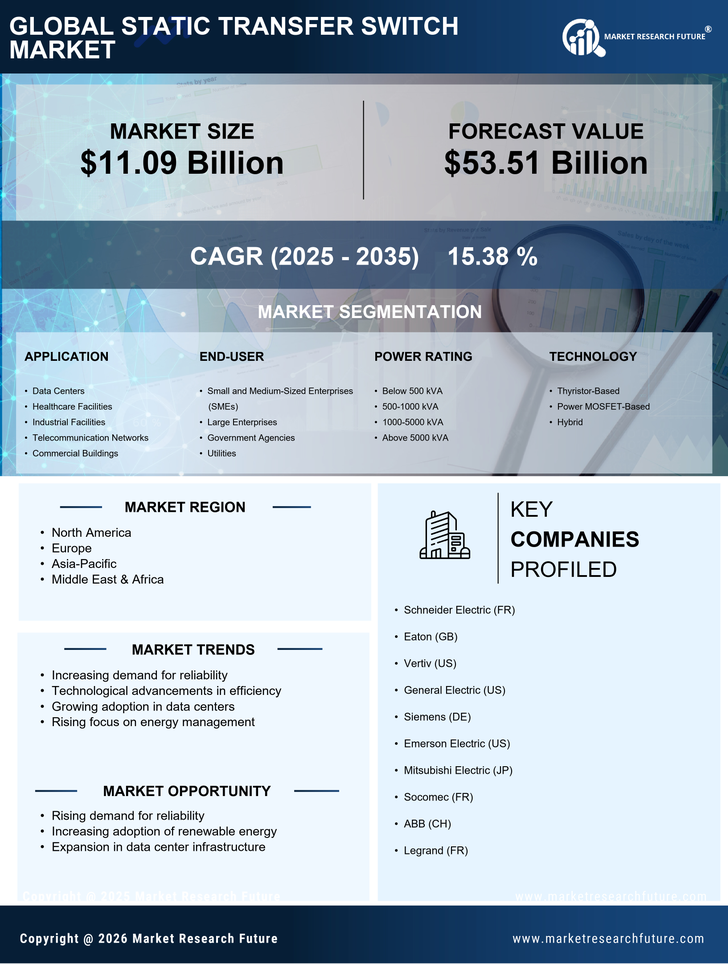
    The anticipated Static Transfer Switch Market Growth is expected to escalate from 11.09 USD in 2024 to 46.38 USD by 2032, indicating a CAGR of 15.38% over the forecast period. This surge reflects the increasing demand for reliable power systems, particularly in sectors like healthcare and data management. The ongoing evolution in power management technologies underpins this growth trajectory.

    Industry leaders like Schneider Electric (FR), General Electric (US), and Siemens (DE) are instrumental in shaping the Static Transfer Switch Market Growth. Schneider Electric has been aggressively advancing its energy management solutions, while General Electric focuses on developing next-generation systems that address the specific needs of modern infrastructure. Siemens is enhancing its portfolio with innovative switchgear technologies that cater to a wide range of applications across industries.

    The drivers behind the Static Transfer Switch Market Growth are multifaceted, with the predominant factor being the increasing reliance on data centers, which require reliable power to operate effectively. The critical nature of healthcare facilities further amplifies this need, wherein power interruptions can have dire consequences. Despite the high costs associated with initial investments and operational complexities, the gradual adoption of smart technologies and IoT capabilities is expected to mitigate these challenges, paving the way for market expansion.

    From a regional perspective, North America retains its status as the leading market for static transfer switches, primarily due to the high density of data centers and healthcare establishments. However, the Asia-Pacific region is emerging as a significant player, driven by its rapid industrialization and energy demands, with countries like China and India investing heavily in power management infrastructure.

    Opportunities for growth in the market are vast, particularly as industries pivot towards sustainability and energy efficiency. The growing integration of renewable energy sources presents a unique avenue for static transfer switches to play crucial roles in balancing power flows. Furthermore, the demand for enhanced monitoring and automation in power management systems is driving innovations, compelling companies to align their strategies with these emerging dynamics to capture new business opportunities.

    As we look to the future, the Static Transfer Switch Market is on track to achieve a notable expansion, with projections estimating a market size of 53.51 USD by 2034. The ongoing advancements in AI and automation technologies are set to redefine operational standards in power management, ensuring that static transfer switches will remain integral to modern energy solutions. The Static Transfer Switch Market will undoubtedly witness transformative changes...

    AI Impact Analysis

    AI technologies are increasingly influencing the Static Transfer Switch Market, particularly in predictive maintenance and operational efficiency. By leveraging machine learning algorithms, organizations can analyze vast datasets to streamline operations, predict failures, and optimize resource allocation. This level of integration not only enhances efficiency but also ensures that power systems can adapt to real-time demands, thereby improving reliability in critical applications.

    Frequently Asked Questions
    What role do static transfer switches play in data centers?
    Static transfer switches play a crucial role in data centers by ensuring seamless power transitions between different sources. This capability is vital for maintaining uptime and reliability, preventing any disruptions that could compromise operations and data integrity. Their fast response times make them essential for the increasingly demanding power requirements of data-driven environments.
    How does the healthcare sector benefit from static transfer switches?
    The healthcare sector benefits significantly from static transfer switches by ensuring uninterrupted power supply to critical medical equipment. In hospitals, where power failures can pose life-threatening risks, static transfer switches allow for immediate transitions to backup power sources, thereby maintaining essential operations and patient safety.
    Static Transfer Switch Market Growth Driven by Data Center Demand https://www.marketresearchfuture.com/reports/static-transfer-switch-market-25361 The anticipated Static Transfer Switch Market Growth is expected to escalate from 11.09 USD in 2024 to 46.38 USD by 2032, indicating a CAGR of 15.38% over the forecast period. This surge reflects the increasing demand for reliable power systems, particularly in sectors like healthcare and data management. The ongoing evolution in power management technologies underpins this growth trajectory. Industry leaders like Schneider Electric (FR), General Electric (US), and Siemens (DE) are instrumental in shaping the Static Transfer Switch Market Growth. Schneider Electric has been aggressively advancing its energy management solutions, while General Electric focuses on developing next-generation systems that address the specific needs of modern infrastructure. Siemens is enhancing its portfolio with innovative switchgear technologies that cater to a wide range of applications across industries. The drivers behind the Static Transfer Switch Market Growth are multifaceted, with the predominant factor being the increasing reliance on data centers, which require reliable power to operate effectively. The critical nature of healthcare facilities further amplifies this need, wherein power interruptions can have dire consequences. Despite the high costs associated with initial investments and operational complexities, the gradual adoption of smart technologies and IoT capabilities is expected to mitigate these challenges, paving the way for market expansion. From a regional perspective, North America retains its status as the leading market for static transfer switches, primarily due to the high density of data centers and healthcare establishments. However, the Asia-Pacific region is emerging as a significant player, driven by its rapid industrialization and energy demands, with countries like China and India investing heavily in power management infrastructure. Opportunities for growth in the market are vast, particularly as industries pivot towards sustainability and energy efficiency. The growing integration of renewable energy sources presents a unique avenue for static transfer switches to play crucial roles in balancing power flows. Furthermore, the demand for enhanced monitoring and automation in power management systems is driving innovations, compelling companies to align their strategies with these emerging dynamics to capture new business opportunities. As we look to the future, the Static Transfer Switch Market is on track to achieve a notable expansion, with projections estimating a market size of 53.51 USD by 2034. The ongoing advancements in AI and automation technologies are set to redefine operational standards in power management, ensuring that static transfer switches will remain integral to modern energy solutions. The Static Transfer Switch Market will undoubtedly witness transformative changes... AI Impact Analysis AI technologies are increasingly influencing the Static Transfer Switch Market, particularly in predictive maintenance and operational efficiency. By leveraging machine learning algorithms, organizations can analyze vast datasets to streamline operations, predict failures, and optimize resource allocation. This level of integration not only enhances efficiency but also ensures that power systems can adapt to real-time demands, thereby improving reliability in critical applications. Frequently Asked Questions What role do static transfer switches play in data centers? Static transfer switches play a crucial role in data centers by ensuring seamless power transitions between different sources. This capability is vital for maintaining uptime and reliability, preventing any disruptions that could compromise operations and data integrity. Their fast response times make them essential for the increasingly demanding power requirements of data-driven environments. How does the healthcare sector benefit from static transfer switches? The healthcare sector benefits significantly from static transfer switches by ensuring uninterrupted power supply to critical medical equipment. In hospitals, where power failures can pose life-threatening risks, static transfer switches allow for immediate transitions to backup power sources, thereby maintaining essential operations and patient safety.
    WWW.MARKETRESEARCHFUTURE.COM
    Static Transfer Switch Market Size, Growth, Trends Report 2035
    Static Transfer Switch Market projected to reach USD 53.51 Billion, at a CAGR of 15.38% during 2026 to 2035, driven by Integration of advanced automation technologies enhances reliability in the Static Transfer Switch Market.
    👁️ 0 | 💰 Rs 0.00
    0 Kommentare 0 Geteilt
    0 Bewertungen

  • Polyethylene Glycol Diglycidyl Ether (PEGDGE) Market to Reach USD 67.2 Million by 2032, Growing at 5.4% CAGR

    Global Polyethylene Glycol Diglycidyl Ether (PEGDGE) market was valued at USD 43.8 million in 2024 and is projected to reach USD 67.2 million by 2032, registering a steady CAGR of 5.4% during the forecast period.

    Polyethylene Glycol Diglycidyl Ether (PEGDGE), a vital reactive diluent and crosslinking agent characterized by its epoxy functional groups and hydrophilic polyethylene glycol chain, has transitioned from specialty chemical status to a fundamental component in advanced material formulations. Its unique properties—including excellent hydrophilicity, low viscosity, and high reactivity—make it an indispensable modifier for epoxy resins, textile finishes, and adhesive systems. Unlike conventional epoxies, PEGDGE's water-solubility and flexibility facilitate its integration into aqueous-based industrial processes and enhance final product performance.

    Get Full Report Here: https://www.24chemicalresearch.com/reports/263315/global-polyethylene-glycol-diglycidyl-ether-forecast-market-2024-2030-969

    #ChemicalIndustry
    #PEGDGE
    #PolyethyleneGlycolDiglycidylEther
    #EpoxyChemicals
    #MarketResearch
    #MarketGrowth
    #IndustryAnalysis
    #MarketForecast
    #GlobalMarket
    Polyethylene Glycol Diglycidyl Ether (PEGDGE) Market to Reach USD 67.2 Million by 2032, Growing at 5.4% CAGR Global Polyethylene Glycol Diglycidyl Ether (PEGDGE) market was valued at USD 43.8 million in 2024 and is projected to reach USD 67.2 million by 2032, registering a steady CAGR of 5.4% during the forecast period. Polyethylene Glycol Diglycidyl Ether (PEGDGE), a vital reactive diluent and crosslinking agent characterized by its epoxy functional groups and hydrophilic polyethylene glycol chain, has transitioned from specialty chemical status to a fundamental component in advanced material formulations. Its unique properties—including excellent hydrophilicity, low viscosity, and high reactivity—make it an indispensable modifier for epoxy resins, textile finishes, and adhesive systems. Unlike conventional epoxies, PEGDGE's water-solubility and flexibility facilitate its integration into aqueous-based industrial processes and enhance final product performance. Get Full Report Here: https://www.24chemicalresearch.com/reports/263315/global-polyethylene-glycol-diglycidyl-ether-forecast-market-2024-2030-969 #ChemicalIndustry #PEGDGE #PolyethyleneGlycolDiglycidylEther #EpoxyChemicals #MarketResearch #MarketGrowth #IndustryAnalysis #MarketForecast #GlobalMarket
    WWW.24CHEMICALRESEARCH.COM
    Polyethylene Glycol Diglycidyl Ether (PEGDGE) Market, Global Outlook and Forecast 2026-2033
    Polyethylene Glycol Diglycidyl Ether Global Polyethylene Glycol Diglycidyl Ether (PEGDGE) market was valued at USD 120.5 million in 2024, projected to reach USD 210.7 million by 2032 at a 6.8% CAGR.
    👁️ 0 | 💰 Rs 0.00
    0 Kommentare 0 Geteilt
    0 Bewertungen

  • Global Worsted Fabric market was valued at USD million in 2023 and is projected to reach USD million by 2030, at a CAGR of % during the forecast period.

    USA market for Global Worsted Fabric market is estimated to increase from USD million in 2023 to reach USD million by 2030, at a CAGR during the forecast period of 2023 through 2030.

    The China market for Global Worsted Fabric market is estimated to increase from USD million in 2023 to reach USD million by 2030, at a CAGR during the forecast period of 2023 through 2030.

    The Europe market for Global Worsted Fabric market is estimated to increase from USD million in 2023 to reach USD million by 2030, at a CAGR during the forecast period of 2023 through 2030.

    Worsted fabric stands as a cornerstone of the textile industry, renowned for its smooth texture, durability, and sophisticated appearance. Unlike woolens, which use shorter, carded fibers, worsted yarn is made from long-staple fibers that are combed to be parallel before spinning, resulting in a finer, stronger, and smoother yarn. This meticulous process, which can be traced back centuries, yields a fabric that is less fuzzy, more resilient, and holds a sharp crease exceptionally well, making it the undisputed choice for high-quality tailored garments like business suits, blazers, and trousers. Its inherent breathability and ability to drape elegantly have cemented its status as a premium material in the global fashion and formalwear sectors.

    Get Full Report Here: https://www.24chemicalresearch.com/reports/262127/global-worsted-fabric-forecast-market-2024-2030-778
    Global Worsted Fabric market was valued at USD million in 2023 and is projected to reach USD million by 2030, at a CAGR of % during the forecast period. USA market for Global Worsted Fabric market is estimated to increase from USD million in 2023 to reach USD million by 2030, at a CAGR during the forecast period of 2023 through 2030. The China market for Global Worsted Fabric market is estimated to increase from USD million in 2023 to reach USD million by 2030, at a CAGR during the forecast period of 2023 through 2030. The Europe market for Global Worsted Fabric market is estimated to increase from USD million in 2023 to reach USD million by 2030, at a CAGR during the forecast period of 2023 through 2030. Worsted fabric stands as a cornerstone of the textile industry, renowned for its smooth texture, durability, and sophisticated appearance. Unlike woolens, which use shorter, carded fibers, worsted yarn is made from long-staple fibers that are combed to be parallel before spinning, resulting in a finer, stronger, and smoother yarn. This meticulous process, which can be traced back centuries, yields a fabric that is less fuzzy, more resilient, and holds a sharp crease exceptionally well, making it the undisputed choice for high-quality tailored garments like business suits, blazers, and trousers. Its inherent breathability and ability to drape elegantly have cemented its status as a premium material in the global fashion and formalwear sectors. Get Full Report Here: https://www.24chemicalresearch.com/reports/262127/global-worsted-fabric-forecast-market-2024-2030-778
    WWW.24CHEMICALRESEARCH.COM
    Worsted Fabric Market, Global Outlook and Forecast 2026-2033
    Worsted Fabric Global Worsted Fabric market was valued at USD 4.8B in 2024 & projected to reach USD 7.9B by 2032, at 5.8% CAGR.
    👁️ 0 | 💰 Rs 0.00
    0 Kommentare 0 Geteilt
    0 Bewertungen

  • EV and PHEV Market to Grow at a CAGR of 13.4% from 2026 to 2034 – Key Players to Watch
    According to a new report from Intel Market Research, Global EV and PHEV market was valued at USD 468.69 billion in 2026 and is projected to reach USD 1,224.70 billion by 2034, growing at a CAGR of 13.4% during the forecast period (2026-2034). This remarkable growth trajectory is fueled by tightening environmental regulations, technological advancements in battery systems, and expanding government support for electric mobility across key markets.

    Understanding EVs and PHEVs
    Electric Vehicles (EVs) represent the vanguard of zero-emission transportation, completely eliminating tailpipe emissions through their reliance on rechargeable battery systems. These vehicles have moved beyond niche status to become mainstream automotive options, thanks to their environmental benefits and decreasing total cost of ownership.

    Plug-in Hybrid Electric Vehicles (PHEVs) serve as a transitional technology, combining battery-electric propulsion with conventional internal combustion engines. This dual-power approach offers consumers flexibility, particularly in regions where charging infrastructure remains underdeveloped, effectively bridging the gap between traditional vehicles and full electrification.

    📥 Download Sample Report: https://www.intelmarketresearch.com/download-free-sample/35710/evphev-market
    EV and PHEV Market to Grow at a CAGR of 13.4% from 2026 to 2034 – Key Players to Watch According to a new report from Intel Market Research, Global EV and PHEV market was valued at USD 468.69 billion in 2026 and is projected to reach USD 1,224.70 billion by 2034, growing at a CAGR of 13.4% during the forecast period (2026-2034). This remarkable growth trajectory is fueled by tightening environmental regulations, technological advancements in battery systems, and expanding government support for electric mobility across key markets. Understanding EVs and PHEVs Electric Vehicles (EVs) represent the vanguard of zero-emission transportation, completely eliminating tailpipe emissions through their reliance on rechargeable battery systems. These vehicles have moved beyond niche status to become mainstream automotive options, thanks to their environmental benefits and decreasing total cost of ownership. Plug-in Hybrid Electric Vehicles (PHEVs) serve as a transitional technology, combining battery-electric propulsion with conventional internal combustion engines. This dual-power approach offers consumers flexibility, particularly in regions where charging infrastructure remains underdeveloped, effectively bridging the gap between traditional vehicles and full electrification. 📥 Download Sample Report: https://www.intelmarketresearch.com/download-free-sample/35710/evphev-market
    Download Free Sample : EV PHEV Market
    Free Sample Report Preview: EV and PHEV Market Growth Analysis, Dynamics, Key Players and Innovations, Outlook and Forecast 2026-2034
    👁️ 0 | 💰 Rs 0.00
    0 Kommentare 0 Geteilt
    0 Bewertungen

  • Ramdan Ka Dosra Jumma Mubarak Ho Jumma Special Clip 🤗🤲🌼🙌 Abdul Habib attari bayan status 2026 islami

    Ramdan Ka Dosra Jumma Mubarak Ho Jumma Special Clip 🤗🤲🌼🙌 Abdul Habib attari bayan status 2026 islami
    👁️ 0 | 💰 Rs 0.00
    0 Kommentare 0 Geteilt
    0 Bewertungen

  • میں پنجاب میں کیا پچھلے دنوںایک بڑا پیار اجملہ سیکھا میں نے❤️‍🩹🙌🥲 Abdul Habib attari bayan status 20
    میں پنجاب میں کیا پچھلے دنوںایک بڑا پیار اجملہ سیکھا میں نے❤️‍🩹🙌🥲 Abdul Habib attari bayan status 20
    Love
    1
    👁️ 0 | 💰 Rs 0.00
    0 Kommentare 0 Geteilt
    0 Bewertungen
  • Cake ideas #beautiful cake design #status
    Cake ideas #beautiful cake design #status
    👁️ 0 | 💰 Rs 0.00
    0 Kommentare 0 Geteilt
    0 Bewertungen
  • #status #Stylish #dpz #photo
    #status #Stylish #dpz #photo
    👁️ 0 | 💰 Rs 0.00
    0 Kommentare 0 Geteilt
    0 Bewertungen
  • #viral #VibeCheck #trending #trend #status
    #viral #VibeCheck #trending #trend #status
    Like
    Love
    7
    👁️ 0 | 💰 Rs 0.00
    0 Kommentare 0 Geteilt
    0 Bewertungen
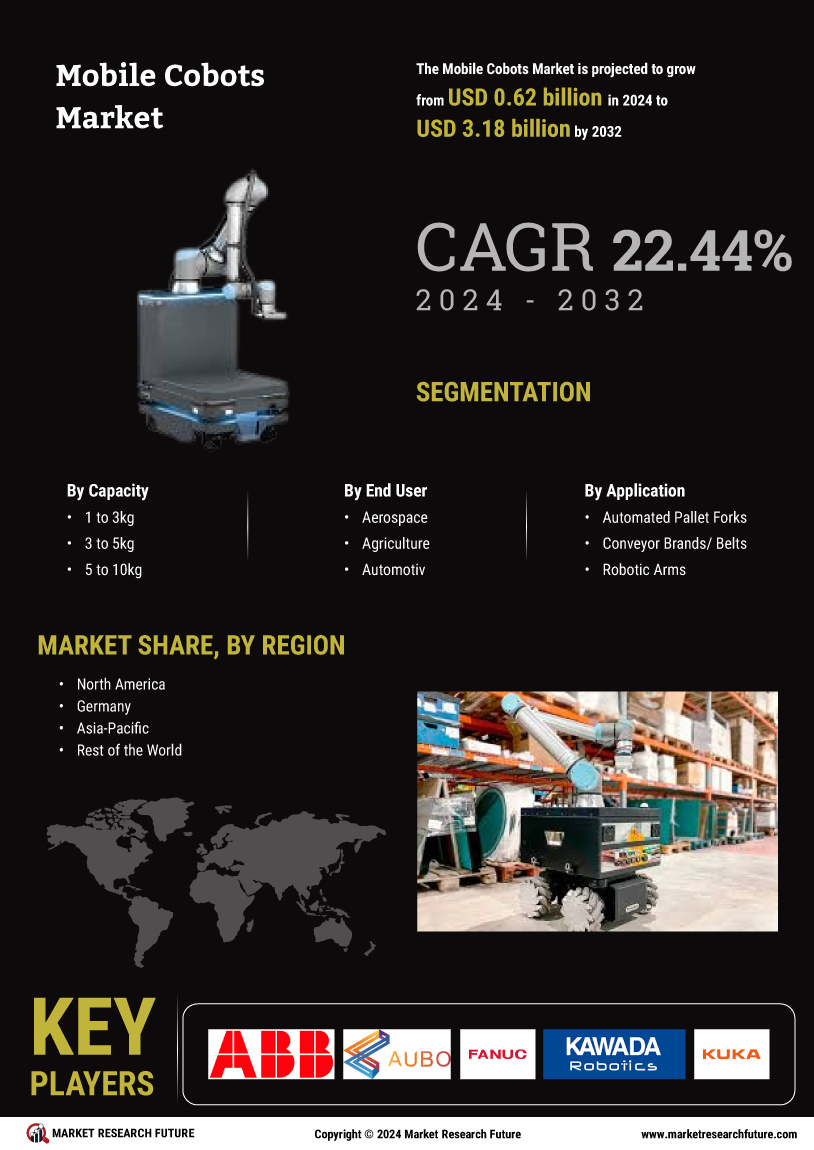
  • The logistics sector is rapidly adopting solutions from the Mobile Cobots Market to improve efficiency and reduce costs. Cobots are transforming how goods are transported and managed within warehouses, enabling faster and more accurate order fulfillment. For more details on this sector, visit Mobile Cobots Market.

    In logistics, mobile cobots can assist with tasks such as inventory management, picking, and packing, significantly reducing the time it takes to move products through the supply chain. These robots are designed to navigate complex warehouse environments autonomously, using advanced sensors and mapping technologies to avoid obstacles and optimize their routes. This capability allows them to operate efficiently in busy settings where human workers are also present.

    One of the primary applications of mobile cobots in logistics is inventory management. Cobots can autonomously scan barcodes and track stock levels in real time, providing accurate and up-to-date information on inventory status. This capability helps reduce errors associated with manual inventory checks and ensures that stock levels are maintained optimally. As a result, companies can avoid stockouts and overstock situations, leading to improved operational efficiency.

    Mobile cobots also play a crucial role in order fulfillment. They can assist with picking and packing tasks by retrieving items from shelves and preparing them for shipment. By automating these processes, companies can significantly speed up order processing times and enhance customer satisfaction. For instance, in e-commerce fulfillment centers, mobile cobots can quickly pick items from various locations, reducing the time it takes to prepare orders for delivery.

    The integration of mobile cobots into logistics operations can lead to cost savings as well. By automating repetitive tasks, companies can reduce labor costs associated with manual handling. Additionally, the increased efficiency achieved through the use of cobots can lead to higher throughput and improved profitability. Companies that have adopted mobile cobots in their logistics operations often report favorable returns on investment within a short period.

    Despite the many advantages, the successful implementation of mobile cobots in logistics requires careful planning and consideration. Companies must assess their existing workflows and identify areas where cobots can add value. Engaging employees in the process and providing adequate training is essential for ensuring a smooth transition to a more automated environment. Addressing potential concerns about job displacement and emphasizing the collaborative nature of cobots can foster a positive attitude toward automation.

    Looking ahead, the future of mobile cobots in logistics appears promising. As technology continues to advance, we can expect further innovations that enhance the capabilities of these robots. The integration of AI and machine learning will enable mobile cobots to learn from their environments and improve their performance over time. Additionally, the expansion of mobile cobots into new logistics sectors will create new opportunities for growth and development.
    sector.@https://www.marketresearchfuture.com/reports/mobile-cobots-market-10806
    The logistics sector is rapidly adopting solutions from the Mobile Cobots Market to improve efficiency and reduce costs. Cobots are transforming how goods are transported and managed within warehouses, enabling faster and more accurate order fulfillment. For more details on this sector, visit Mobile Cobots Market. In logistics, mobile cobots can assist with tasks such as inventory management, picking, and packing, significantly reducing the time it takes to move products through the supply chain. These robots are designed to navigate complex warehouse environments autonomously, using advanced sensors and mapping technologies to avoid obstacles and optimize their routes. This capability allows them to operate efficiently in busy settings where human workers are also present. One of the primary applications of mobile cobots in logistics is inventory management. Cobots can autonomously scan barcodes and track stock levels in real time, providing accurate and up-to-date information on inventory status. This capability helps reduce errors associated with manual inventory checks and ensures that stock levels are maintained optimally. As a result, companies can avoid stockouts and overstock situations, leading to improved operational efficiency. Mobile cobots also play a crucial role in order fulfillment. They can assist with picking and packing tasks by retrieving items from shelves and preparing them for shipment. By automating these processes, companies can significantly speed up order processing times and enhance customer satisfaction. For instance, in e-commerce fulfillment centers, mobile cobots can quickly pick items from various locations, reducing the time it takes to prepare orders for delivery. The integration of mobile cobots into logistics operations can lead to cost savings as well. By automating repetitive tasks, companies can reduce labor costs associated with manual handling. Additionally, the increased efficiency achieved through the use of cobots can lead to higher throughput and improved profitability. Companies that have adopted mobile cobots in their logistics operations often report favorable returns on investment within a short period. Despite the many advantages, the successful implementation of mobile cobots in logistics requires careful planning and consideration. Companies must assess their existing workflows and identify areas where cobots can add value. Engaging employees in the process and providing adequate training is essential for ensuring a smooth transition to a more automated environment. Addressing potential concerns about job displacement and emphasizing the collaborative nature of cobots can foster a positive attitude toward automation. Looking ahead, the future of mobile cobots in logistics appears promising. As technology continues to advance, we can expect further innovations that enhance the capabilities of these robots. The integration of AI and machine learning will enable mobile cobots to learn from their environments and improve their performance over time. Additionally, the expansion of mobile cobots into new logistics sectors will create new opportunities for growth and development. sector.@https://www.marketresearchfuture.com/reports/mobile-cobots-market-10806
    WWW.MARKETRESEARCHFUTURE.COM
    Mobile Cobots Market Size, Trends, Industry Report - 2035
    Mobile Cobots Market is Estimated to Reach USD 5.75 Billion By 2035, Growing at a CAGR of 22.44% During 2025 - 2035 | Driven By Advancements In Automation, Demand For
    👁️ 0 | 💰 Rs 0.00
    0 Kommentare 0 Geteilt
    0 Bewertungen
  • #foryou #status
    #foryou #status
    Love
    Like
    6
    👁️ 0 | 💰 Rs 0.00
    0 Kommentare 0 Geteilt
    0 Bewertungen
Weitere Ergebnisse
Freecave – Social Media Platform https://freecave.net