


 How To Earn On Freecave

-
19 Posts
-
1 Photos
-
0 Videos
-
Lives in Pune
-
From hadapsar
-
Male
-
Followed by 8 people
Search


© 2026 Freecave – Social Media Platform
 English
English
 Arabic
 French
 Spanish
 Portuguese
 Deutsch
 Turkish
 Dutch
Dutch
 Italiano
 Russian
 Romaian
 Portuguese (Brazil)
 Greek
Greek
Recent Updates
-
The Electrician App Market plays a vital role in enhancing safety and regulatory compliance across electrical services. Safety protocols and compliance documentation are critical in preventing accidents and legal issues.
Apps provide digital safety checklists, incident reporting tools, and certification tracking. These features ensure electricians follow standardized procedures and maintain compliance records.
Real-time reporting improves accountability and supports proactive risk management. By integrating safety into daily workflows, electrician apps contribute to safer working environments.@https://www.marketresearchfuture.com/reports/electrician-app-market-35728
The Electrician App Market plays a vital role in enhancing safety and regulatory compliance across electrical services. Safety protocols and compliance documentation are critical in preventing accidents and legal issues. Apps provide digital safety checklists, incident reporting tools, and certification tracking. These features ensure electricians follow standardized procedures and maintain compliance records. Real-time reporting improves accountability and supports proactive risk management. By integrating safety into daily workflows, electrician apps contribute to safer working environments.@https://www.marketresearchfuture.com/reports/electrician-app-market-35728👁️ 0 | 💰 Rs 0.000 Comments 0 Shares 0 Reviews -
The security printing market is characterized by diverse regional dynamics, each influenced by local economic conditions, regulatory frameworks, and security needs. Understanding these regional differences is essential for stakeholders looking to navigate the global security printing landscape effectively.
In North America, the security printing market is robust, driven by established players and advanced technologies. The region is home to several leading security printing companies that specialize in banknotes, identification documents, and secure packaging. The emphasis on innovation and strict regulatory standards contributes to a competitive environment that encourages continuous improvement in security features. Additionally, the increasing focus on digital security solutions is shaping the market, as businesses seek to integrate advanced technologies into their offerings.
Europe also plays a significant role in the security printing market, with a diverse landscape that includes both traditional and modern printing techniques. Countries such as Germany, France, and the United Kingdom are known for their advanced security printing capabilities, particularly in banknote production. The European market is characterized by stringent regulations and standards that ensure the authenticity and security of printed materials. Additionally, the rise of e-commerce and digital transactions is driving demand for secure packaging and labeling solutions across the region.
The Asia-Pacific region is experiencing rapid growth in the security printing market, fueled by increasing urbanization, rising disposable incomes, and a growing awareness of security concerns. Countries like China and India are investing heavily in security printing solutions to combat counterfeiting and enhance the security of their currencies and identification documents. The region's expanding middle class and increasing demand for secure products are driving innovation and investment in the security printing sector.
Latin America and the Middle East present unique opportunities for growth in the security printing market. In Latin America, the prevalence of counterfeiting and fraud has prompted governments and businesses to invest in security printing solutions. Countries such as Brazil and Mexico are focusing on enhancing the security of their currencies and identification documents. Meanwhile, the Middle East is witnessing an increase in demand for secure packaging and labeling solutions, driven by the growth of e-commerce and international trade.
Despite the regional differences, there are common trends influencing the security printing market globally. The increasing emphasis on sustainability and eco-friendly practices is a shared concern across regions. Companies are exploring innovative materials and processes to reduce their environmental impact while maintaining security standards. Additionally, the integration of digital security features is becoming a priority for businesses worldwide, as they seek to enhance the authenticity and integrity of their printed materials.
In conclusion, the security printing market is shaped by diverse regional dynamics that influence its growth and development. North America and Europe remain dominant markets, while the Asia-Pacific region is experiencing rapid expansion. Understanding these regional differences is essential for stakeholders looking to capitalize on opportunities and navigate the complexities of the global security printing landscape.@https://www.marketresearchfuture.com/reports/security-printing-market-33539
The security printing market is characterized by diverse regional dynamics, each influenced by local economic conditions, regulatory frameworks, and security needs. Understanding these regional differences is essential for stakeholders looking to navigate the global security printing landscape effectively. In North America, the security printing market is robust, driven by established players and advanced technologies. The region is home to several leading security printing companies that specialize in banknotes, identification documents, and secure packaging. The emphasis on innovation and strict regulatory standards contributes to a competitive environment that encourages continuous improvement in security features. Additionally, the increasing focus on digital security solutions is shaping the market, as businesses seek to integrate advanced technologies into their offerings. Europe also plays a significant role in the security printing market, with a diverse landscape that includes both traditional and modern printing techniques. Countries such as Germany, France, and the United Kingdom are known for their advanced security printing capabilities, particularly in banknote production. The European market is characterized by stringent regulations and standards that ensure the authenticity and security of printed materials. Additionally, the rise of e-commerce and digital transactions is driving demand for secure packaging and labeling solutions across the region. The Asia-Pacific region is experiencing rapid growth in the security printing market, fueled by increasing urbanization, rising disposable incomes, and a growing awareness of security concerns. Countries like China and India are investing heavily in security printing solutions to combat counterfeiting and enhance the security of their currencies and identification documents. The region's expanding middle class and increasing demand for secure products are driving innovation and investment in the security printing sector. Latin America and the Middle East present unique opportunities for growth in the security printing market. In Latin America, the prevalence of counterfeiting and fraud has prompted governments and businesses to invest in security printing solutions. Countries such as Brazil and Mexico are focusing on enhancing the security of their currencies and identification documents. Meanwhile, the Middle East is witnessing an increase in demand for secure packaging and labeling solutions, driven by the growth of e-commerce and international trade. Despite the regional differences, there are common trends influencing the security printing market globally. The increasing emphasis on sustainability and eco-friendly practices is a shared concern across regions. Companies are exploring innovative materials and processes to reduce their environmental impact while maintaining security standards. Additionally, the integration of digital security features is becoming a priority for businesses worldwide, as they seek to enhance the authenticity and integrity of their printed materials. In conclusion, the security printing market is shaped by diverse regional dynamics that influence its growth and development. North America and Europe remain dominant markets, while the Asia-Pacific region is experiencing rapid expansion. Understanding these regional differences is essential for stakeholders looking to capitalize on opportunities and navigate the complexities of the global security printing landscape.@https://www.marketresearchfuture.com/reports/security-printing-market-33539👁️ 0 | 💰 Rs 0.000 Comments 0 Shares 0 Reviews -
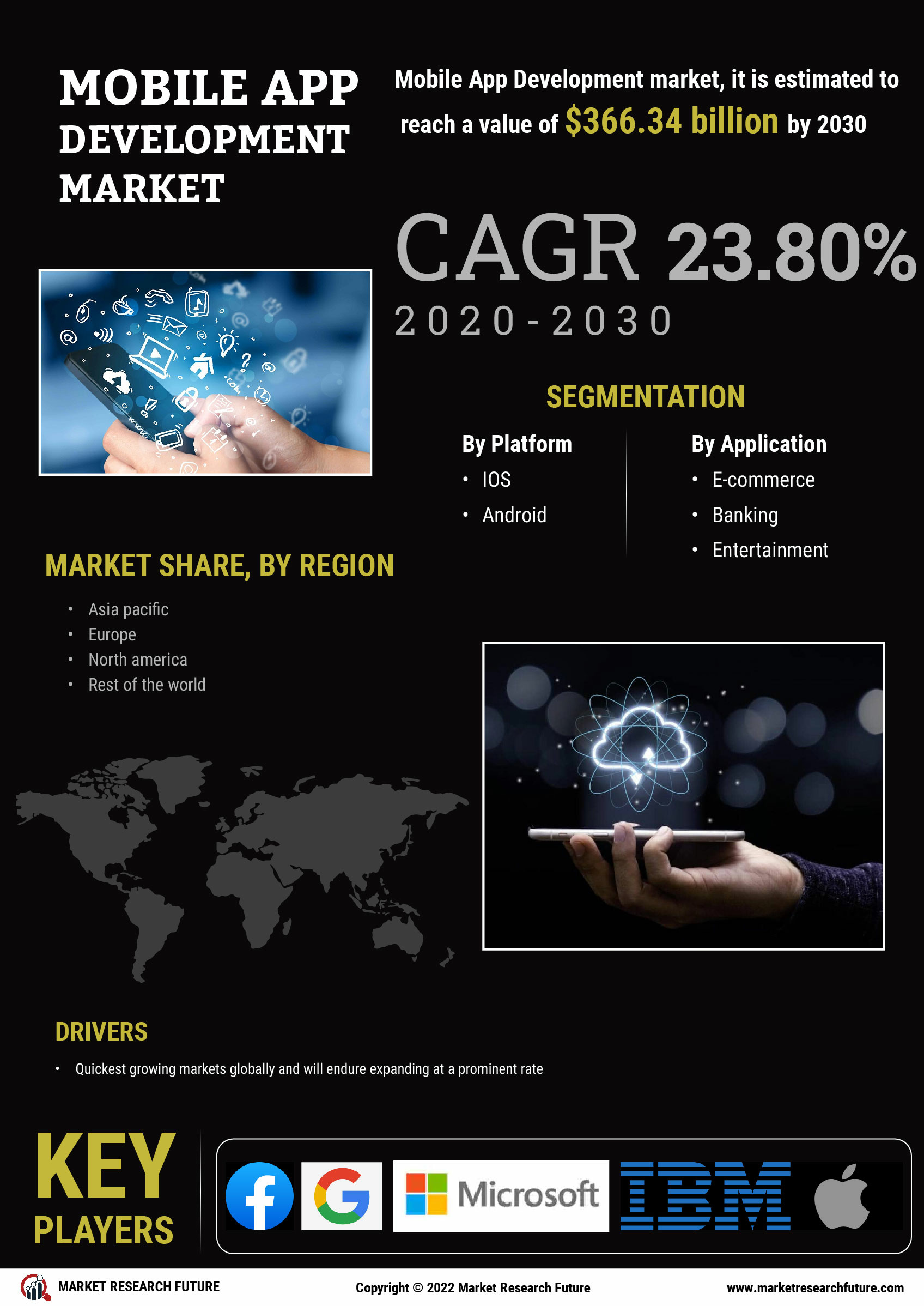
Effectively monetizing a mobile app is crucial for its long-term sustainability. This article explores various monetization strategies, including advertising, subscriptions, and in-app purchases, to help developers choose the best approach. The choice of monetization strategy can significantly impact an app's profitability and user experience. Understanding the strengths and weaknesses of each approach is essential for developers aiming to maximize revenue while maintaining user satisfaction.
Monetization strategies can be broadly categorized into ad-supported, paid, and freemium models. Ad-supported apps generate revenue through advertisements displayed within the app. This model is popular among developers because it allows users to access the app for free, thereby attracting a larger audience. However, excessive ads can lead to a poor user experience, causing users to abandon the app. Striking a balance between ad placement and user experience is critical for success.
Paid apps require users to pay upfront to download the app. This model can be effective for apps that offer unique features or services that justify the cost. However, the challenge lies in convincing users to make the initial purchase. Marketing strategies, such as offering free trials or limited-time discounts, can help increase downloads. Additionally, maintaining high-quality content and regular updates is essential to retain users and encourage positive reviews.
The freemium model, which offers basic features for free and charges for premium content, has gained popularity due to its ability to attract a larger user base. This model allows users to experience the app without any financial commitment, increasing the likelihood of downloads. Once users are engaged, developers can encourage them to upgrade to a paid version or make in-app purchases for additional features or content. Successful examples of this model include apps like Spotify and Dropbox, which offer free tiers with the option to upgrade for enhanced functionality.
In-app purchases are another effective monetization strategy, allowing users to buy virtual goods or additional features within the app. This model is particularly popular in gaming apps, where users can purchase in-game currency, extra lives, or cosmetic items. However, developers must ensure that in-app purchases do not create a pay-to-win environment, as this can alienate users and lead to negative feedback. Balancing the value of in-app purchases with the overall user experience is crucial for maintaining user satisfaction.
Successful monetization examples include Spotify, which uses a freemium model to attract users and convert them to paid subscribers. The app offers a free version with ads and limited features, while the premium version provides an ad-free experience and additional functionalities. Candy Crush, on the other hand, generates revenue through in-app purchases, offering players the option to buy extra lives and boosts to enhance their gaming experience.
Selecting the right monetization strategy is essential for maximizing revenue while maintaining a positive user experience. Developers should carefully consider their target audience, app functionality, and market trends when choosing an approach. Additionally, monitoring user feedback and adapting the monetization strategy as needed can help ensure long-term success.
In conclusion, monetization strategies play a vital role in the sustainability of mobile apps. By understanding the strengths and weaknesses of various approaches, developers can choose the best fit for their applications. A well-planned monetization strategy not only drives revenue but also enhances user engagement and satisfaction. As the mobile app landscape continues to evolve, staying informed about industry trends and user preferences will be crucial for developers looking to succeed in this competitive market.@https://www.marketresearchfuture.com/reports/mobile-app-development-market-1752
Effectively monetizing a mobile app is crucial for its long-term sustainability. This article explores various monetization strategies, including advertising, subscriptions, and in-app purchases, to help developers choose the best approach. The choice of monetization strategy can significantly impact an app's profitability and user experience. Understanding the strengths and weaknesses of each approach is essential for developers aiming to maximize revenue while maintaining user satisfaction. Monetization strategies can be broadly categorized into ad-supported, paid, and freemium models. Ad-supported apps generate revenue through advertisements displayed within the app. This model is popular among developers because it allows users to access the app for free, thereby attracting a larger audience. However, excessive ads can lead to a poor user experience, causing users to abandon the app. Striking a balance between ad placement and user experience is critical for success. Paid apps require users to pay upfront to download the app. This model can be effective for apps that offer unique features or services that justify the cost. However, the challenge lies in convincing users to make the initial purchase. Marketing strategies, such as offering free trials or limited-time discounts, can help increase downloads. Additionally, maintaining high-quality content and regular updates is essential to retain users and encourage positive reviews. The freemium model, which offers basic features for free and charges for premium content, has gained popularity due to its ability to attract a larger user base. This model allows users to experience the app without any financial commitment, increasing the likelihood of downloads. Once users are engaged, developers can encourage them to upgrade to a paid version or make in-app purchases for additional features or content. Successful examples of this model include apps like Spotify and Dropbox, which offer free tiers with the option to upgrade for enhanced functionality. In-app purchases are another effective monetization strategy, allowing users to buy virtual goods or additional features within the app. This model is particularly popular in gaming apps, where users can purchase in-game currency, extra lives, or cosmetic items. However, developers must ensure that in-app purchases do not create a pay-to-win environment, as this can alienate users and lead to negative feedback. Balancing the value of in-app purchases with the overall user experience is crucial for maintaining user satisfaction. Successful monetization examples include Spotify, which uses a freemium model to attract users and convert them to paid subscribers. The app offers a free version with ads and limited features, while the premium version provides an ad-free experience and additional functionalities. Candy Crush, on the other hand, generates revenue through in-app purchases, offering players the option to buy extra lives and boosts to enhance their gaming experience. Selecting the right monetization strategy is essential for maximizing revenue while maintaining a positive user experience. Developers should carefully consider their target audience, app functionality, and market trends when choosing an approach. Additionally, monitoring user feedback and adapting the monetization strategy as needed can help ensure long-term success. In conclusion, monetization strategies play a vital role in the sustainability of mobile apps. By understanding the strengths and weaknesses of various approaches, developers can choose the best fit for their applications. A well-planned monetization strategy not only drives revenue but also enhances user engagement and satisfaction. As the mobile app landscape continues to evolve, staying informed about industry trends and user preferences will be crucial for developers looking to succeed in this competitive market.@https://www.marketresearchfuture.com/reports/mobile-app-development-market-1752👁️ 0 | 💰 Rs 0.000 Comments 0 Shares 0 Reviews -
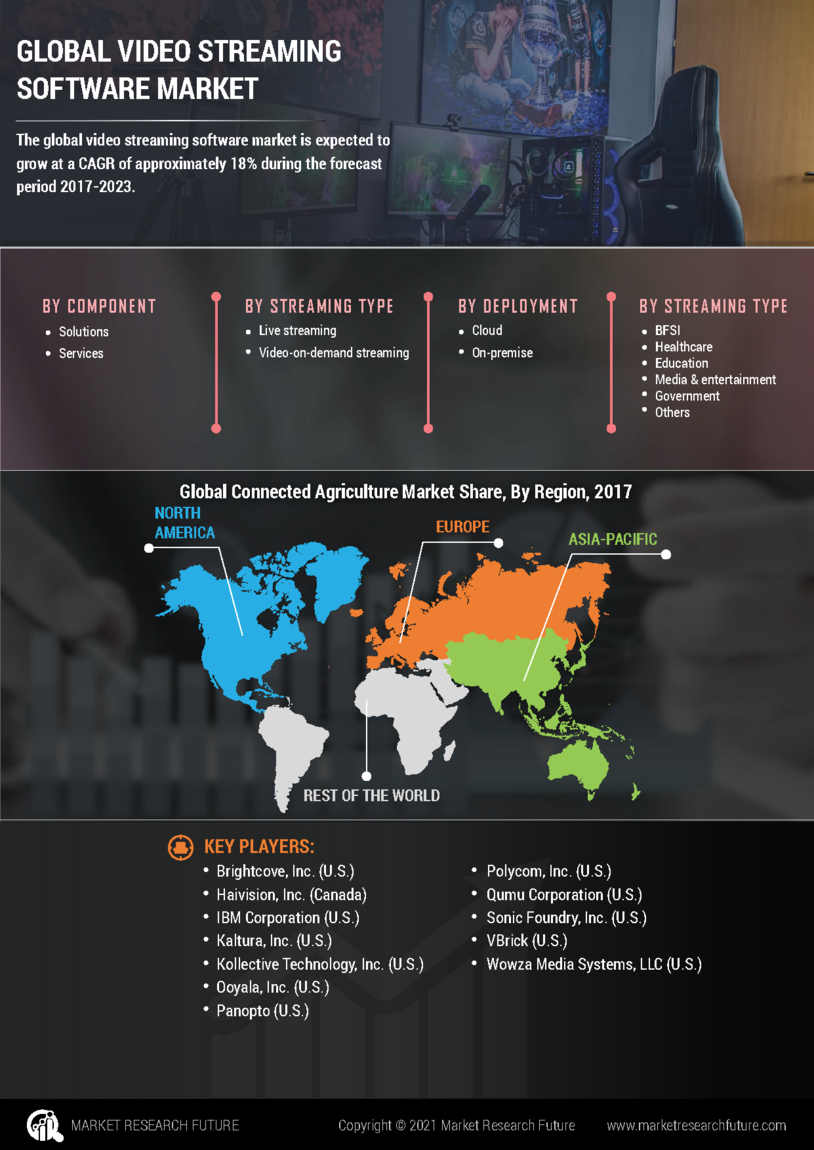
Despite its rapid growth, the video streaming software market faces several challenges that could hinder its progress. Issues such as content piracy, regulatory hurdles, and fierce competition pose significant threats to established and emerging players. This article analyzes these challenges and discusses potential strategies for overcoming them to ensure sustainable growth in the industry.
Content piracy remains a significant concern for the video streaming software market. Unauthorized distribution of copyrighted material can lead to substantial revenue losses for companies and undermine the value of original content. To combat this issue, streaming services must invest in robust anti-piracy measures, including encryption technologies and digital rights management (DRM) systems. Educating consumers about the importance of supporting legitimate platforms can also help reduce piracy rates.
Regulatory hurdles present another challenge for streaming services, particularly in international markets. Different countries have varying laws regarding content distribution, data privacy, and advertising practices. Navigating these regulations can be complex and time-consuming, often requiring companies to adapt their strategies to comply with local laws. Building strong relationships with regulatory bodies and staying informed about changes in legislation can help companies mitigate these challenges.
Fierce competition in the video streaming software market is another significant hurdle. With numerous platforms vying for consumer attention, companies must continuously innovate to differentiate themselves. This competition can lead to price wars, which may erode profit margins and make it difficult for smaller players to survive. To thrive in this environment, companies should focus on building brand loyalty through unique content offerings, superior user experiences, and effective marketing strategies.
Additionally, the rapid pace of technological change poses challenges for streaming services. Keeping up with advancements in technology, such as new streaming protocols and consumer devices, requires ongoing investment and adaptation. Companies that fail to innovate risk losing market share to more agile competitors. Staying ahead of technological trends and investing in research and development can help companies maintain their competitive edge.
Lastly, changing consumer preferences can also pose challenges for the video streaming software market. As viewers become more discerning about their content choices, companies must be agile in adapting to these shifts. Regularly gathering feedback from users and analyzing viewing habits can provide valuable insights into emerging trends and preferences, allowing companies to pivot their strategies accordingly.
In conclusion, while the video streaming software market presents significant opportunities for growth, it is not without its challenges. By addressing issues such as content piracy, regulatory hurdles, competition, technological change, and evolving consumer preferences, companies can position themselves for long-term success in this dynamic industry.@https://www.marketresearchfuture.com/reports/video-streaming-software-market-5228
Despite its rapid growth, the video streaming software market faces several challenges that could hinder its progress. Issues such as content piracy, regulatory hurdles, and fierce competition pose significant threats to established and emerging players. This article analyzes these challenges and discusses potential strategies for overcoming them to ensure sustainable growth in the industry. Content piracy remains a significant concern for the video streaming software market. Unauthorized distribution of copyrighted material can lead to substantial revenue losses for companies and undermine the value of original content. To combat this issue, streaming services must invest in robust anti-piracy measures, including encryption technologies and digital rights management (DRM) systems. Educating consumers about the importance of supporting legitimate platforms can also help reduce piracy rates. Regulatory hurdles present another challenge for streaming services, particularly in international markets. Different countries have varying laws regarding content distribution, data privacy, and advertising practices. Navigating these regulations can be complex and time-consuming, often requiring companies to adapt their strategies to comply with local laws. Building strong relationships with regulatory bodies and staying informed about changes in legislation can help companies mitigate these challenges. Fierce competition in the video streaming software market is another significant hurdle. With numerous platforms vying for consumer attention, companies must continuously innovate to differentiate themselves. This competition can lead to price wars, which may erode profit margins and make it difficult for smaller players to survive. To thrive in this environment, companies should focus on building brand loyalty through unique content offerings, superior user experiences, and effective marketing strategies. Additionally, the rapid pace of technological change poses challenges for streaming services. Keeping up with advancements in technology, such as new streaming protocols and consumer devices, requires ongoing investment and adaptation. Companies that fail to innovate risk losing market share to more agile competitors. Staying ahead of technological trends and investing in research and development can help companies maintain their competitive edge. Lastly, changing consumer preferences can also pose challenges for the video streaming software market. As viewers become more discerning about their content choices, companies must be agile in adapting to these shifts. Regularly gathering feedback from users and analyzing viewing habits can provide valuable insights into emerging trends and preferences, allowing companies to pivot their strategies accordingly. In conclusion, while the video streaming software market presents significant opportunities for growth, it is not without its challenges. By addressing issues such as content piracy, regulatory hurdles, competition, technological change, and evolving consumer preferences, companies can position themselves for long-term success in this dynamic industry.@https://www.marketresearchfuture.com/reports/video-streaming-software-market-5228👁️ 0 | 💰 Rs 0.000 Comments 0 Shares 0 Reviews -
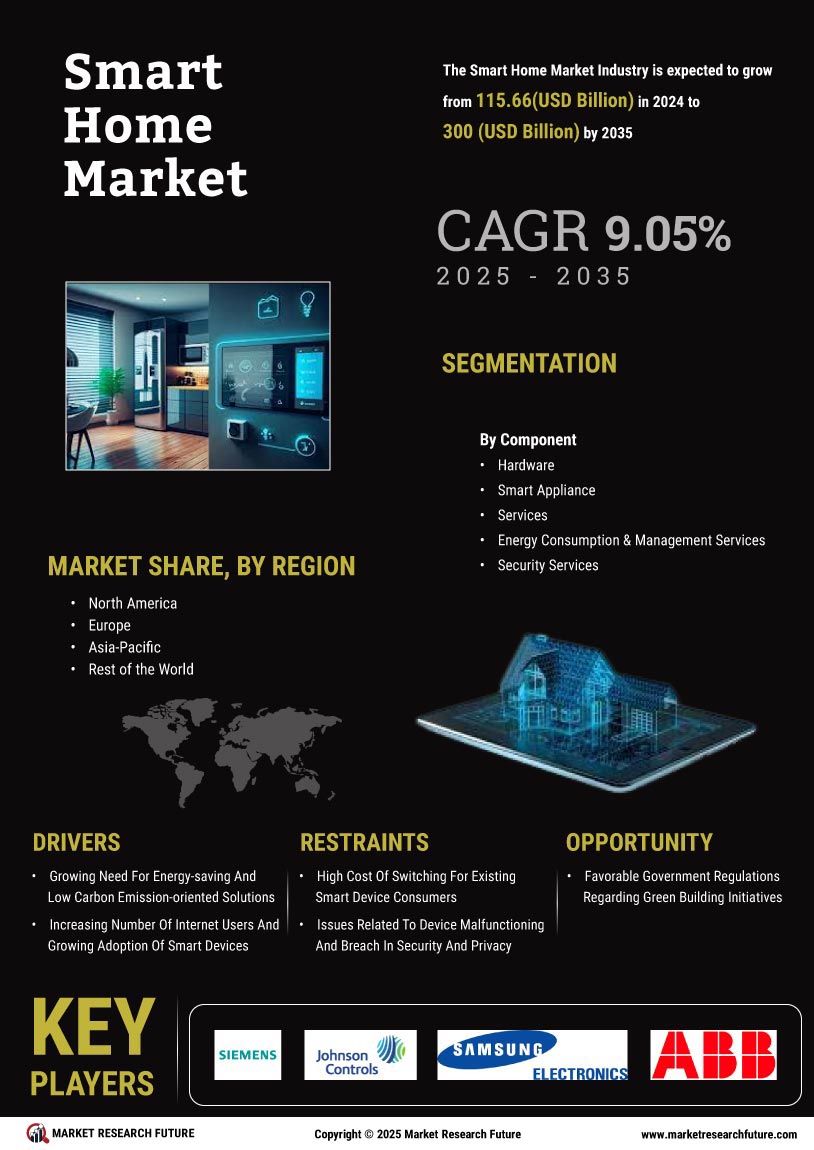
The integration of IoT in smart homes has revolutionized the way we interact with our living spaces. The Internet of Things (IoT) refers to the network of interconnected devices that communicate and share data with each other. In a smart home, IoT technology allows devices to work together seamlessly, creating a cohesive and automated environment.
One of the most significant advantages of IoT in smart homes is the ability to monitor and control devices remotely. Homeowners can use their smartphones or tablets to manage various systems, such as lighting, heating, and security. For instance, a smart thermostat can be adjusted from anywhere, allowing users to ensure their home is at a comfortable temperature before they arrive. This level of control enhances convenience and improves the overall living experience.
IoT technology also contributes to energy efficiency in smart homes. Smart devices can collect data on usage patterns and make adjustments to optimize energy consumption. For example, smart lighting systems can automatically turn off lights in unoccupied rooms, while smart thermostats can learn user preferences and adjust settings accordingly. This not only helps reduce energy bills but also supports sustainability efforts by minimizing waste.
Security is another critical aspect where IoT plays a significant role. Smart security systems, equipped with cameras, motion detectors, and alarms, provide real-time monitoring and alerts. These devices can communicate with one another, creating a comprehensive security network that keeps homeowners informed of any unusual activity. For example, if a motion sensor detects movement outside the home, it can trigger the security camera to start recording and send an alert to the homeowner's smartphone.
The integration of IoT also enables the creation of automation routines, allowing devices to work together to perform tasks. For instance, a homeowner can set up a routine where the lights turn on, the thermostat adjusts, and the coffee maker starts brewing when they arrive home. These automation routines enhance convenience and streamline daily activities, making life easier for busy individuals and families.
Moreover, IoT technology can improve the quality of life for individuals with disabilities or mobility challenges. Smart devices can be programmed to perform tasks such as opening doors, adjusting lights, or controlling appliances, making daily activities more accessible. This level of automation empowers individuals to maintain their independence and enhances their overall quality of life.
Despite the many advantages of IoT in smart homes, several challenges remain. One of the primary concerns is the security of connected devices. As more devices become interconnected, the risk of cyber threats increases. Manufacturers must prioritize robust security measures to protect users' data and privacy. This includes implementing encryption, regular software updates, and user education on best practices for securing smart home devices.
Interoperability is another challenge facing the IoT landscape. With numerous manufacturers producing smart devices, ensuring compatibility among different brands can be difficult. Consumers may find themselves with devices that do not communicate effectively with one another, leading to frustration and a fragmented user experience. To address this issue, industry stakeholders must work towards developing standardized protocols that facilitate seamless communication between devices.@https://www.marketresearchfuture.com/reports/smart-home-market-974
The integration of IoT in smart homes has revolutionized the way we interact with our living spaces. The Internet of Things (IoT) refers to the network of interconnected devices that communicate and share data with each other. In a smart home, IoT technology allows devices to work together seamlessly, creating a cohesive and automated environment. One of the most significant advantages of IoT in smart homes is the ability to monitor and control devices remotely. Homeowners can use their smartphones or tablets to manage various systems, such as lighting, heating, and security. For instance, a smart thermostat can be adjusted from anywhere, allowing users to ensure their home is at a comfortable temperature before they arrive. This level of control enhances convenience and improves the overall living experience. IoT technology also contributes to energy efficiency in smart homes. Smart devices can collect data on usage patterns and make adjustments to optimize energy consumption. For example, smart lighting systems can automatically turn off lights in unoccupied rooms, while smart thermostats can learn user preferences and adjust settings accordingly. This not only helps reduce energy bills but also supports sustainability efforts by minimizing waste. Security is another critical aspect where IoT plays a significant role. Smart security systems, equipped with cameras, motion detectors, and alarms, provide real-time monitoring and alerts. These devices can communicate with one another, creating a comprehensive security network that keeps homeowners informed of any unusual activity. For example, if a motion sensor detects movement outside the home, it can trigger the security camera to start recording and send an alert to the homeowner's smartphone. The integration of IoT also enables the creation of automation routines, allowing devices to work together to perform tasks. For instance, a homeowner can set up a routine where the lights turn on, the thermostat adjusts, and the coffee maker starts brewing when they arrive home. These automation routines enhance convenience and streamline daily activities, making life easier for busy individuals and families. Moreover, IoT technology can improve the quality of life for individuals with disabilities or mobility challenges. Smart devices can be programmed to perform tasks such as opening doors, adjusting lights, or controlling appliances, making daily activities more accessible. This level of automation empowers individuals to maintain their independence and enhances their overall quality of life. Despite the many advantages of IoT in smart homes, several challenges remain. One of the primary concerns is the security of connected devices. As more devices become interconnected, the risk of cyber threats increases. Manufacturers must prioritize robust security measures to protect users' data and privacy. This includes implementing encryption, regular software updates, and user education on best practices for securing smart home devices. Interoperability is another challenge facing the IoT landscape. With numerous manufacturers producing smart devices, ensuring compatibility among different brands can be difficult. Consumers may find themselves with devices that do not communicate effectively with one another, leading to frustration and a fragmented user experience. To address this issue, industry stakeholders must work towards developing standardized protocols that facilitate seamless communication between devices.@https://www.marketresearchfuture.com/reports/smart-home-market-974👁️ 0 | 💰 Rs 0.000 Comments 0 Shares 0 Reviews -
The Telecom Billing Software Market is poised for significant evolution as technology continues to advance and consumer expectations shift. Telecom billing software is expected to incorporate more sophisticated features that enhance billing accuracy and streamline processes. One of the key trends shaping the future of telecom billing software is the integration of artificial intelligence (AI) and machine learning (ML). These technologies will enable telecom companies to automate billing processes, predict customer behavior, and optimize pricing strategies. As a result, telecom operators can enhance their revenue management and improve customer satisfaction. Furthermore, the rise of the Internet of Things (IoT) is creating new billing challenges and opportunities. Telecom companies are increasingly offering services related to IoT devices, which require innovative billing models that can accommodate usage-based pricing and real-time billing adjustments. This shift necessitates the development of flexible billing solutions that can adapt to the complexities of IoT services. Additionally, as consumer preferences shift towards personalized services, telecom billing software will need to support customized billing options that cater to individual customer needs. This could include features such as usage alerts, flexible payment plans, and loyalty rewards programs. However, with these advancements come challenges, including the need for robust data security measures and compliance with evolving regulations. Telecom companies must ensure that their billing systems are secure and capable of protecting sensitive customer information. In summary, the future of the telecom billing software market is bright, driven by technological advancements and changing consumer expectations. By embracing innovation and prioritizing customer-centric solutions, telecom providers can position themselves for success in a rapidly evolving landscape@https://www.marketresearchfuture.com/reports/telecom-billing-software-market-26467
The Telecom Billing Software Market is poised for significant evolution as technology continues to advance and consumer expectations shift. Telecom billing software is expected to incorporate more sophisticated features that enhance billing accuracy and streamline processes. One of the key trends shaping the future of telecom billing software is the integration of artificial intelligence (AI) and machine learning (ML). These technologies will enable telecom companies to automate billing processes, predict customer behavior, and optimize pricing strategies. As a result, telecom operators can enhance their revenue management and improve customer satisfaction. Furthermore, the rise of the Internet of Things (IoT) is creating new billing challenges and opportunities. Telecom companies are increasingly offering services related to IoT devices, which require innovative billing models that can accommodate usage-based pricing and real-time billing adjustments. This shift necessitates the development of flexible billing solutions that can adapt to the complexities of IoT services. Additionally, as consumer preferences shift towards personalized services, telecom billing software will need to support customized billing options that cater to individual customer needs. This could include features such as usage alerts, flexible payment plans, and loyalty rewards programs. However, with these advancements come challenges, including the need for robust data security measures and compliance with evolving regulations. Telecom companies must ensure that their billing systems are secure and capable of protecting sensitive customer information. In summary, the future of the telecom billing software market is bright, driven by technological advancements and changing consumer expectations. By embracing innovation and prioritizing customer-centric solutions, telecom providers can position themselves for success in a rapidly evolving landscape@https://www.marketresearchfuture.com/reports/telecom-billing-software-market-26467👁️ 0 | 💰 Rs 0.000 Comments 0 Shares 0 Reviews -
The future of Quality and Lifecycle Management Software is shaped by emerging trends that promise to redefine how organizations manage quality and product lifecycles. For insights into these trends, visit the Quality and Lifecycle Management Software Market. This article will discuss future trends such as the rise of AI, cloud computing, and the increasing focus on sustainability.
Artificial intelligence is set to play a transformative role in QLM software. By leveraging AI, organizations can gain predictive insights, automate quality checks, and enhance decision-making processes. This technology will enable businesses to proactively address quality issues before they escalate.
Cloud computing is another trend that is gaining traction. Cloud-based QLM solutions offer scalability and flexibility, allowing organizations to adapt quickly to changing market conditions. This shift to the cloud also facilitates remote collaboration, which has become increasingly important in today’s work environment.
Sustainability is becoming a central focus for many organizations, and QLM software is evolving to support sustainable practices. Companies are seeking solutions that help them minimize waste, reduce carbon footprints, and comply with environmental regulations. This trend reflects a broader societal shift toward sustainability and corporate responsibility.
In conclusion, the future of Quality and Lifecycle Management Software is promising, with trends like AI, cloud computing, and sustainability shaping the landscape. Organizations that embrace these trends will be better positioned to thrive in an increasingly competitive market.@https://www.marketresearchfuture.com/reports/quality-lifecycle-management-software-market-24370
The future of Quality and Lifecycle Management Software is shaped by emerging trends that promise to redefine how organizations manage quality and product lifecycles. For insights into these trends, visit the Quality and Lifecycle Management Software Market. This article will discuss future trends such as the rise of AI, cloud computing, and the increasing focus on sustainability. Artificial intelligence is set to play a transformative role in QLM software. By leveraging AI, organizations can gain predictive insights, automate quality checks, and enhance decision-making processes. This technology will enable businesses to proactively address quality issues before they escalate. Cloud computing is another trend that is gaining traction. Cloud-based QLM solutions offer scalability and flexibility, allowing organizations to adapt quickly to changing market conditions. This shift to the cloud also facilitates remote collaboration, which has become increasingly important in today’s work environment. Sustainability is becoming a central focus for many organizations, and QLM software is evolving to support sustainable practices. Companies are seeking solutions that help them minimize waste, reduce carbon footprints, and comply with environmental regulations. This trend reflects a broader societal shift toward sustainability and corporate responsibility. In conclusion, the future of Quality and Lifecycle Management Software is promising, with trends like AI, cloud computing, and sustainability shaping the landscape. Organizations that embrace these trends will be better positioned to thrive in an increasingly competitive market.@https://www.marketresearchfuture.com/reports/quality-lifecycle-management-software-market-24370👁️ 0 | 💰 Rs 0.000 Comments 0 Shares 0 Reviews -
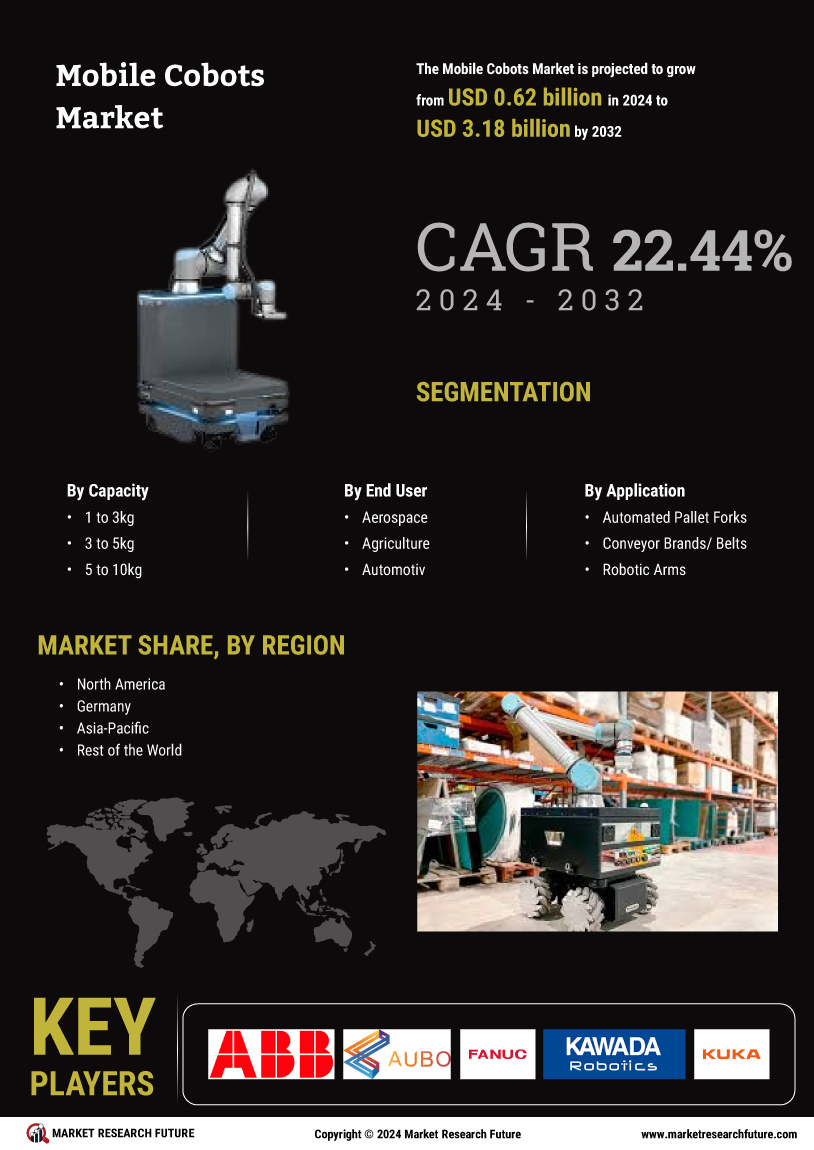
The logistics sector is rapidly adopting solutions from the Mobile Cobots Market to improve efficiency and reduce costs. Cobots are transforming how goods are transported and managed within warehouses, enabling faster and more accurate order fulfillment. For more details on this sector, visit Mobile Cobots Market.
In logistics, mobile cobots can assist with tasks such as inventory management, picking, and packing, significantly reducing the time it takes to move products through the supply chain. These robots are designed to navigate complex warehouse environments autonomously, using advanced sensors and mapping technologies to avoid obstacles and optimize their routes. This capability allows them to operate efficiently in busy settings where human workers are also present.
One of the primary applications of mobile cobots in logistics is inventory management. Cobots can autonomously scan barcodes and track stock levels in real time, providing accurate and up-to-date information on inventory status. This capability helps reduce errors associated with manual inventory checks and ensures that stock levels are maintained optimally. As a result, companies can avoid stockouts and overstock situations, leading to improved operational efficiency.
Mobile cobots also play a crucial role in order fulfillment. They can assist with picking and packing tasks by retrieving items from shelves and preparing them for shipment. By automating these processes, companies can significantly speed up order processing times and enhance customer satisfaction. For instance, in e-commerce fulfillment centers, mobile cobots can quickly pick items from various locations, reducing the time it takes to prepare orders for delivery.
The integration of mobile cobots into logistics operations can lead to cost savings as well. By automating repetitive tasks, companies can reduce labor costs associated with manual handling. Additionally, the increased efficiency achieved through the use of cobots can lead to higher throughput and improved profitability. Companies that have adopted mobile cobots in their logistics operations often report favorable returns on investment within a short period.
Despite the many advantages, the successful implementation of mobile cobots in logistics requires careful planning and consideration. Companies must assess their existing workflows and identify areas where cobots can add value. Engaging employees in the process and providing adequate training is essential for ensuring a smooth transition to a more automated environment. Addressing potential concerns about job displacement and emphasizing the collaborative nature of cobots can foster a positive attitude toward automation.
Looking ahead, the future of mobile cobots in logistics appears promising. As technology continues to advance, we can expect further innovations that enhance the capabilities of these robots. The integration of AI and machine learning will enable mobile cobots to learn from their environments and improve their performance over time. Additionally, the expansion of mobile cobots into new logistics sectors will create new opportunities for growth and development.
sector.@https://www.marketresearchfuture.com/reports/mobile-cobots-market-10806The logistics sector is rapidly adopting solutions from the Mobile Cobots Market to improve efficiency and reduce costs. Cobots are transforming how goods are transported and managed within warehouses, enabling faster and more accurate order fulfillment. For more details on this sector, visit Mobile Cobots Market. In logistics, mobile cobots can assist with tasks such as inventory management, picking, and packing, significantly reducing the time it takes to move products through the supply chain. These robots are designed to navigate complex warehouse environments autonomously, using advanced sensors and mapping technologies to avoid obstacles and optimize their routes. This capability allows them to operate efficiently in busy settings where human workers are also present. One of the primary applications of mobile cobots in logistics is inventory management. Cobots can autonomously scan barcodes and track stock levels in real time, providing accurate and up-to-date information on inventory status. This capability helps reduce errors associated with manual inventory checks and ensures that stock levels are maintained optimally. As a result, companies can avoid stockouts and overstock situations, leading to improved operational efficiency. Mobile cobots also play a crucial role in order fulfillment. They can assist with picking and packing tasks by retrieving items from shelves and preparing them for shipment. By automating these processes, companies can significantly speed up order processing times and enhance customer satisfaction. For instance, in e-commerce fulfillment centers, mobile cobots can quickly pick items from various locations, reducing the time it takes to prepare orders for delivery. The integration of mobile cobots into logistics operations can lead to cost savings as well. By automating repetitive tasks, companies can reduce labor costs associated with manual handling. Additionally, the increased efficiency achieved through the use of cobots can lead to higher throughput and improved profitability. Companies that have adopted mobile cobots in their logistics operations often report favorable returns on investment within a short period. Despite the many advantages, the successful implementation of mobile cobots in logistics requires careful planning and consideration. Companies must assess their existing workflows and identify areas where cobots can add value. Engaging employees in the process and providing adequate training is essential for ensuring a smooth transition to a more automated environment. Addressing potential concerns about job displacement and emphasizing the collaborative nature of cobots can foster a positive attitude toward automation. Looking ahead, the future of mobile cobots in logistics appears promising. As technology continues to advance, we can expect further innovations that enhance the capabilities of these robots. The integration of AI and machine learning will enable mobile cobots to learn from their environments and improve their performance over time. Additionally, the expansion of mobile cobots into new logistics sectors will create new opportunities for growth and development. sector.@https://www.marketresearchfuture.com/reports/mobile-cobots-market-10806👁️ 0 | 💰 Rs 0.000 Comments 0 Shares 0 Reviews -
The Enterprise Key Management Market exhibits varying growth patterns across different regions. North America leads the market due to the presence of key players and early adoption of advanced security solutions. In contrast, the Asia-Pacific region is witnessing rapid growth, driven by increasing digitalization and awareness of data security. For regional insights, refer to the Enterprise Key Management Market.
The enterprise key management market is not uniform; it varies significantly across different geographical regions. This article provides a regional analysis of the market, highlighting the key trends and factors influencing growth in various areas.
North America is the largest market for enterprise key management solutions, driven by the presence of major technology companies and a strong focus on cybersecurity. Organizations in this region are early adopters of advanced security solutions, making significant investments in key management technologies to protect sensitive data.
Europe is also witnessing substantial growth in the enterprise key management market, fueled by stringent data protection regulations such as GDPR. Organizations in this region are increasingly prioritizing data security, leading to higher demand for effective key management solutions.
The Asia-Pacific region is emerging as a significant player in the enterprise key management market. Rapid digitalization, increasing internet penetration, and growing awareness of data security are driving demand for key management solutions. Countries like India and China are experiencing rapid growth due to their expanding IT sectors.
In Latin America, the enterprise key management market is still in its nascent stages but is expected to grow steadily. As organizations in this region become more aware of cybersecurity threats, they are beginning to invest in key management solutions to protect their data.
In conclusion, the enterprise key management market exhibits diverse growth patterns across regions. North America remains the leader, while Asia-Pacific shows promising growth potential. Understanding these regional dynamics is crucial for organizations looking to expand their key management strategies globally.@https://www.marketresearchfuture.com/reports/enterprise-key-management-market-3346
The Enterprise Key Management Market exhibits varying growth patterns across different regions. North America leads the market due to the presence of key players and early adoption of advanced security solutions. In contrast, the Asia-Pacific region is witnessing rapid growth, driven by increasing digitalization and awareness of data security. For regional insights, refer to the Enterprise Key Management Market. The enterprise key management market is not uniform; it varies significantly across different geographical regions. This article provides a regional analysis of the market, highlighting the key trends and factors influencing growth in various areas. North America is the largest market for enterprise key management solutions, driven by the presence of major technology companies and a strong focus on cybersecurity. Organizations in this region are early adopters of advanced security solutions, making significant investments in key management technologies to protect sensitive data. Europe is also witnessing substantial growth in the enterprise key management market, fueled by stringent data protection regulations such as GDPR. Organizations in this region are increasingly prioritizing data security, leading to higher demand for effective key management solutions. The Asia-Pacific region is emerging as a significant player in the enterprise key management market. Rapid digitalization, increasing internet penetration, and growing awareness of data security are driving demand for key management solutions. Countries like India and China are experiencing rapid growth due to their expanding IT sectors. In Latin America, the enterprise key management market is still in its nascent stages but is expected to grow steadily. As organizations in this region become more aware of cybersecurity threats, they are beginning to invest in key management solutions to protect their data. In conclusion, the enterprise key management market exhibits diverse growth patterns across regions. North America remains the leader, while Asia-Pacific shows promising growth potential. Understanding these regional dynamics is crucial for organizations looking to expand their key management strategies globally.@https://www.marketresearchfuture.com/reports/enterprise-key-management-market-33461 👁️ 0 | 💰 Rs 0.000 Comments 0 Shares 0 Reviews
 -
The Computer-aided Dispatch Market is undergoing a significant transformation due to the adoption of cloud computing technologies. As emergency service providers seek to enhance their operational efficiency and reduce costs, cloud-based dispatch solutions are becoming increasingly popular. For a detailed examination of this market, you can refer to the comprehensive report on the Computer-aided Dispatch Market.
Cloud computing offers numerous advantages that are particularly beneficial for emergency services. One of the most significant benefits is scalability. Cloud-based dispatch systems allow agencies to easily scale their operations according to demand. This flexibility is crucial, especially during peak times or emergencies when the need for resources may surge unexpectedly. Agencies can quickly add or remove users and features without the need for extensive hardware upgrades or installations.
Cost-effectiveness is another key advantage of cloud computing in the computer-aided dispatch market. Traditional on-premises systems often require substantial upfront investments in hardware and software, as well as ongoing maintenance costs. In contrast, cloud-based solutions typically operate on a subscription model, allowing agencies to pay only for the services they use. This model is particularly advantageous for smaller municipalities with limited budgets, as it lowers the financial barriers to accessing advanced dispatch technologies.
Moreover, cloud computing enhances collaboration and information sharing among different agencies. During multi-agency responses to incidents, cloud-based dispatch systems enable seamless communication and data sharing in real time. This interoperability ensures that all relevant parties have access to the same information, leading to more coordinated and effective responses during emergencies.
Another critical aspect of cloud computing is the ease of access to data and applications. Cloud-based dispatch systems can be accessed from any device with internet connectivity, allowing dispatchers and first responders to work remotely or from various locations. This accessibility is especially valuable during large-scale incidents where responders may be dispersed across different areas.
Data security is a concern when it comes to cloud computing; however, many cloud service providers implement robust security measures to protect sensitive information. Features such as encryption, multi-factor authentication, and regular security audits help safeguard data from potential breaches. Emergency service providers must ensure that they select reputable cloud vendors that prioritize security and compliance with industry standards.
Despite the numerous benefits, the transition to cloud-based dispatch systems may present challenges. Agencies must ensure that their staff is adequately trained to use the new systems effectively. Comprehensive training programs are essential to help personnel adapt to the cloud environment and maximize the advantages of cloud computing.
Additionally, internet reliability is crucial for the successful implementation of cloud-based dispatch solutions. Agencies must have reliable internet connectivity to ensure that their dispatch systems operate seamlessly. In areas with limited internet infrastructure, agencies may need to explore solutions that provide backup connectivity options.
In conclusion, cloud computing is significantly impacting the computer-aided dispatch market by offering scalability, cost-effectiveness, enhanced collaboration, and ease of access to data. As emergency service providers increasingly adopt cloud-based solutions, they can improve their operational efficiency and responsiveness. However, agencies must also address challenges related to training and internet reliability to fully leverage the benefits of cloud computing in their dispatch operations.@https://www.marketresearchfuture.com/reports/computer-aided-dispatch-market-26591
The Computer-aided Dispatch Market is undergoing a significant transformation due to the adoption of cloud computing technologies. As emergency service providers seek to enhance their operational efficiency and reduce costs, cloud-based dispatch solutions are becoming increasingly popular. For a detailed examination of this market, you can refer to the comprehensive report on the Computer-aided Dispatch Market. Cloud computing offers numerous advantages that are particularly beneficial for emergency services. One of the most significant benefits is scalability. Cloud-based dispatch systems allow agencies to easily scale their operations according to demand. This flexibility is crucial, especially during peak times or emergencies when the need for resources may surge unexpectedly. Agencies can quickly add or remove users and features without the need for extensive hardware upgrades or installations. Cost-effectiveness is another key advantage of cloud computing in the computer-aided dispatch market. Traditional on-premises systems often require substantial upfront investments in hardware and software, as well as ongoing maintenance costs. In contrast, cloud-based solutions typically operate on a subscription model, allowing agencies to pay only for the services they use. This model is particularly advantageous for smaller municipalities with limited budgets, as it lowers the financial barriers to accessing advanced dispatch technologies. Moreover, cloud computing enhances collaboration and information sharing among different agencies. During multi-agency responses to incidents, cloud-based dispatch systems enable seamless communication and data sharing in real time. This interoperability ensures that all relevant parties have access to the same information, leading to more coordinated and effective responses during emergencies. Another critical aspect of cloud computing is the ease of access to data and applications. Cloud-based dispatch systems can be accessed from any device with internet connectivity, allowing dispatchers and first responders to work remotely or from various locations. This accessibility is especially valuable during large-scale incidents where responders may be dispersed across different areas. Data security is a concern when it comes to cloud computing; however, many cloud service providers implement robust security measures to protect sensitive information. Features such as encryption, multi-factor authentication, and regular security audits help safeguard data from potential breaches. Emergency service providers must ensure that they select reputable cloud vendors that prioritize security and compliance with industry standards. Despite the numerous benefits, the transition to cloud-based dispatch systems may present challenges. Agencies must ensure that their staff is adequately trained to use the new systems effectively. Comprehensive training programs are essential to help personnel adapt to the cloud environment and maximize the advantages of cloud computing. Additionally, internet reliability is crucial for the successful implementation of cloud-based dispatch solutions. Agencies must have reliable internet connectivity to ensure that their dispatch systems operate seamlessly. In areas with limited internet infrastructure, agencies may need to explore solutions that provide backup connectivity options. In conclusion, cloud computing is significantly impacting the computer-aided dispatch market by offering scalability, cost-effectiveness, enhanced collaboration, and ease of access to data. As emergency service providers increasingly adopt cloud-based solutions, they can improve their operational efficiency and responsiveness. However, agencies must also address challenges related to training and internet reliability to fully leverage the benefits of cloud computing in their dispatch operations.@https://www.marketresearchfuture.com/reports/computer-aided-dispatch-market-26591👁️ 0 | 💰 Rs 0.000 Comments 0 Shares 0 Reviews -
The Marketing Automation Software Market
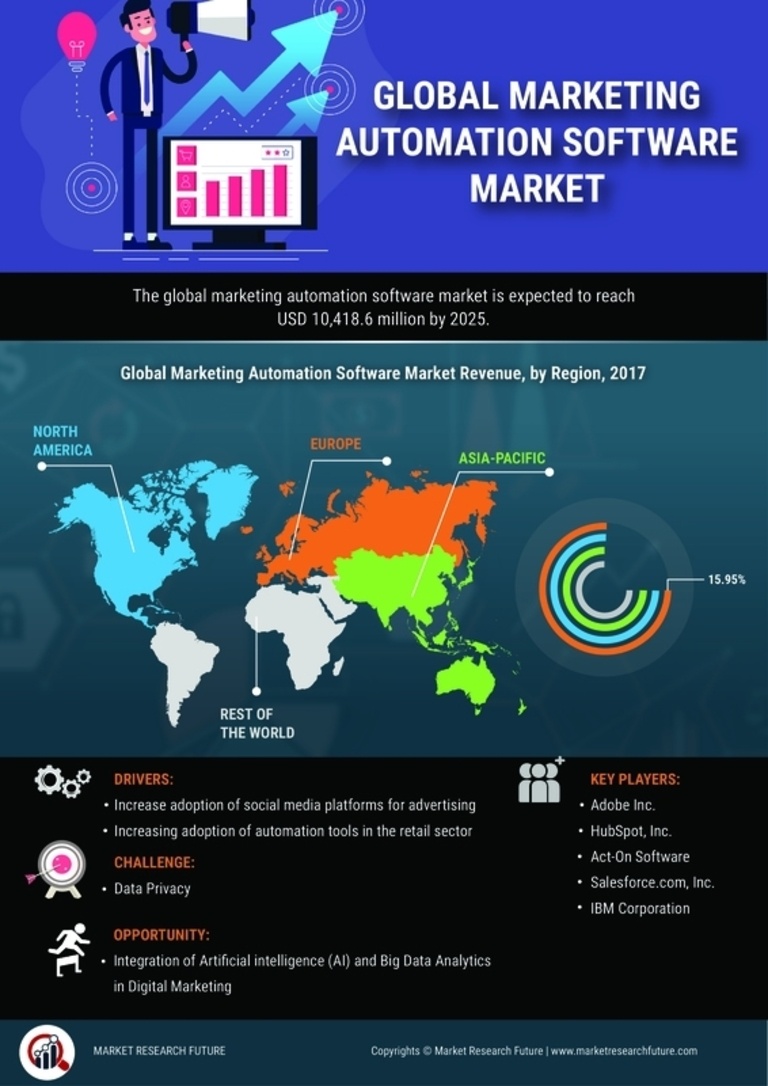
is reshaping marketing operations by providing solutions that automate repetitive tasks, enhance customer interactions, and optimize campaign performance. Organizations utilize these platforms to manage email campaigns, social media marketing, CRM integrations, lead scoring, and performance analytics efficiently. AI-powered automation and predictive analytics have enhanced personalization, segmentation, and targeting capabilities, allowing businesses to engage customers more effectively. Cloud-based platforms offer scalability, cost efficiency, and flexibility, making them attractive to both large enterprises and SMEs. Market growth is fueled by the increasing emphasis on omnichannel marketing strategies and the need for data-driven decision-making. Challenges such as data privacy regulations, integration complexities, and skill shortages affect adoption but are being addressed through innovative solutions and training initiatives. North America leads due to early adoption and technological infrastructure, while Asia-Pacific demonstrates rapid growth driven by digital transformation and e-commerce proliferation. Europe maintains steady adoption, balancing regulatory compliance with innovation. As organizations increasingly embrace automation to enhance marketing efficiency and customer engagement, the Marketing Automation Software Market is poised for sustained growth.@https://www.marketresearchfuture.com/reports/marketing-automation-software-market-4927
The Marketing Automation Software Market is reshaping marketing operations by providing solutions that automate repetitive tasks, enhance customer interactions, and optimize campaign performance. Organizations utilize these platforms to manage email campaigns, social media marketing, CRM integrations, lead scoring, and performance analytics efficiently. AI-powered automation and predictive analytics have enhanced personalization, segmentation, and targeting capabilities, allowing businesses to engage customers more effectively. Cloud-based platforms offer scalability, cost efficiency, and flexibility, making them attractive to both large enterprises and SMEs. Market growth is fueled by the increasing emphasis on omnichannel marketing strategies and the need for data-driven decision-making. Challenges such as data privacy regulations, integration complexities, and skill shortages affect adoption but are being addressed through innovative solutions and training initiatives. North America leads due to early adoption and technological infrastructure, while Asia-Pacific demonstrates rapid growth driven by digital transformation and e-commerce proliferation. Europe maintains steady adoption, balancing regulatory compliance with innovation. As organizations increasingly embrace automation to enhance marketing efficiency and customer engagement, the Marketing Automation Software Market is poised for sustained growth.@https://www.marketresearchfuture.com/reports/marketing-automation-software-market-4927👁️ 0 | 💰 Rs 0.000 Comments 0 Shares 0 Reviews -
The Supply Chain Management Market varies significantly across different regions. Supply Chain Management Market provides insights into the market dynamics in North America, Europe, Asia-Pacific, and other regions. This article analyzes regional trends and growth opportunities.
North America is a leading market for supply chain management solutions, driven by the presence of major technology companies and a strong emphasis on innovation. The region's advanced infrastructure and logistics capabilities support the growth of e-commerce and omnichannel retailing. Companies in North America are increasingly adopting advanced technologies, such as AI and IoT, to enhance supply chain efficiency and responsiveness.
In Europe, the Supply Chain Management Market is influenced by regulatory frameworks and sustainability initiatives. The European Union's focus on reducing carbon emissions and promoting sustainable practices has led to increased investments in green logistics and sustainable sourcing. Companies are also leveraging technology to improve traceability and transparency in their supply chains, addressing consumer demands for ethical and responsible sourcing.
The Asia-Pacific region is experiencing rapid growth in the Supply Chain Management Market, fueled by the rise of manufacturing and export activities in countries such as China and India. The region's expanding middle class and increasing consumer spending are driving demand for efficient supply chain solutions. Companies are investing in digital transformation to enhance their supply chain capabilities and meet the demands of a growing consumer base.
Latin America and the Middle East are emerging markets for supply chain management, with increasing investments in infrastructure and logistics. As these regions continue to develop economically, companies are recognizing the importance of effective supply chain management to support growth and competitiveness. The adoption of technology and best practices in supply chain management is expected to accelerate in these regions as businesses seek to optimize their operations.
In summary, the Supply Chain Management Market presents diverse opportunities across different regions. Companies must understand the unique dynamics and challenges in each market to develop effective strategies for growth and success.The Supply Chain Management Market varies significantly across different regions. Supply Chain Management Market provides insights into the market dynamics in North America, Europe, Asia-Pacific, and other regions. This article analyzes regional trends and growth opportunities. North America is a leading market for supply chain management solutions, driven by the presence of major technology companies and a strong emphasis on innovation. The region's advanced infrastructure and logistics capabilities support the growth of e-commerce and omnichannel retailing. Companies in North America are increasingly adopting advanced technologies, such as AI and IoT, to enhance supply chain efficiency and responsiveness. In Europe, the Supply Chain Management Market is influenced by regulatory frameworks and sustainability initiatives. The European Union's focus on reducing carbon emissions and promoting sustainable practices has led to increased investments in green logistics and sustainable sourcing. Companies are also leveraging technology to improve traceability and transparency in their supply chains, addressing consumer demands for ethical and responsible sourcing. The Asia-Pacific region is experiencing rapid growth in the Supply Chain Management Market, fueled by the rise of manufacturing and export activities in countries such as China and India. The region's expanding middle class and increasing consumer spending are driving demand for efficient supply chain solutions. Companies are investing in digital transformation to enhance their supply chain capabilities and meet the demands of a growing consumer base. Latin America and the Middle East are emerging markets for supply chain management, with increasing investments in infrastructure and logistics. As these regions continue to develop economically, companies are recognizing the importance of effective supply chain management to support growth and competitiveness. The adoption of technology and best practices in supply chain management is expected to accelerate in these regions as businesses seek to optimize their operations. In summary, the Supply Chain Management Market presents diverse opportunities across different regions. Companies must understand the unique dynamics and challenges in each market to develop effective strategies for growth and success.👁️ 0 | 💰 Rs 0.000 Comments 0 Shares 0 Reviews

More Stories
