


 How To Earn On Freecave
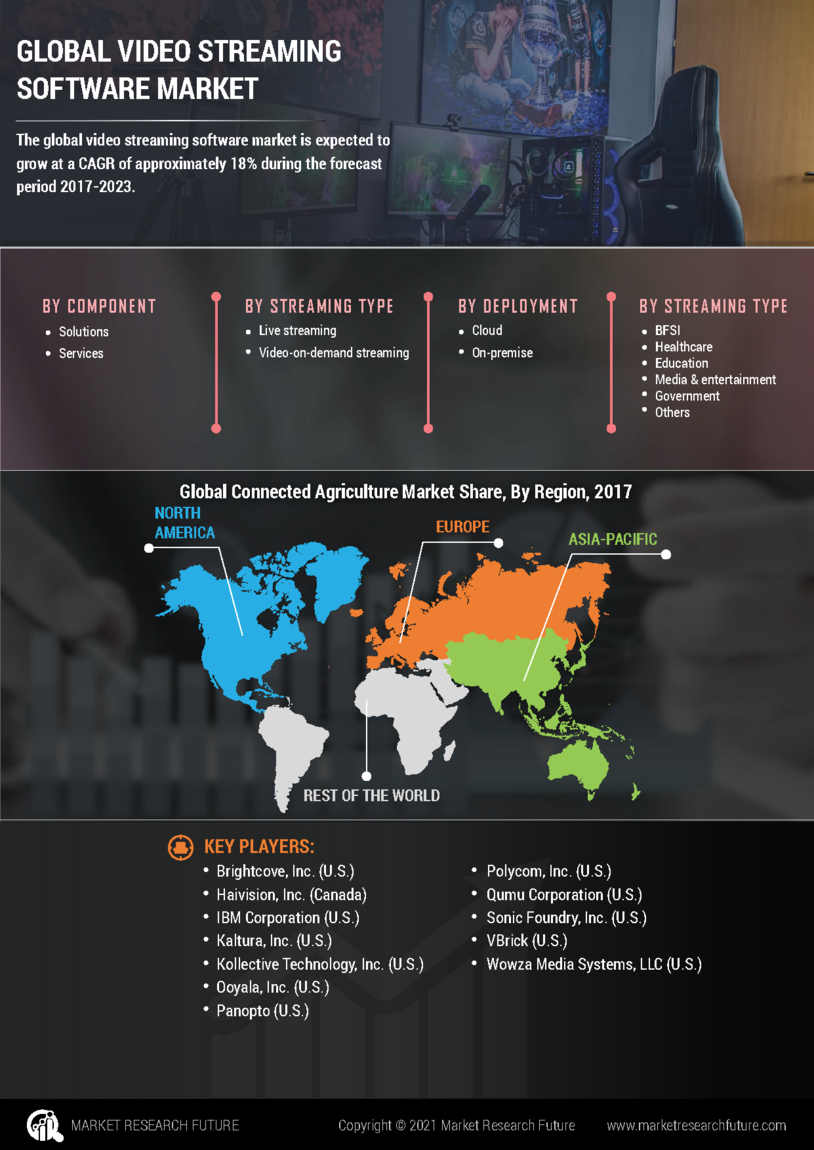
Despite its rapid growth, the video streaming software market faces several challenges that could hinder its progress. Issues such as content piracy, regulatory hurdles, and fierce competition pose significant threats to established and emerging players. This article analyzes these challenges and discusses potential strategies for overcoming them to ensure sustainable growth in the industry.
Content piracy remains a significant concern for the video streaming software market. Unauthorized distribution of copyrighted material can lead to substantial revenue losses for companies and undermine the value of original content. To combat this issue, streaming services must invest in robust anti-piracy measures, including encryption technologies and digital rights management (DRM) systems. Educating consumers about the importance of supporting legitimate platforms can also help reduce piracy rates.
Regulatory hurdles present another challenge for streaming services, particularly in international markets. Different countries have varying laws regarding content distribution, data privacy, and advertising practices. Navigating these regulations can be complex and time-consuming, often requiring companies to adapt their strategies to comply with local laws. Building strong relationships with regulatory bodies and staying informed about changes in legislation can help companies mitigate these challenges.
Fierce competition in the video streaming software market is another significant hurdle. With numerous platforms vying for consumer attention, companies must continuously innovate to differentiate themselves. This competition can lead to price wars, which may erode profit margins and make it difficult for smaller players to survive. To thrive in this environment, companies should focus on building brand loyalty through unique content offerings, superior user experiences, and effective marketing strategies.
Additionally, the rapid pace of technological change poses challenges for streaming services. Keeping up with advancements in technology, such as new streaming protocols and consumer devices, requires ongoing investment and adaptation. Companies that fail to innovate risk losing market share to more agile competitors. Staying ahead of technological trends and investing in research and development can help companies maintain their competitive edge.
Lastly, changing consumer preferences can also pose challenges for the video streaming software market. As viewers become more discerning about their content choices, companies must be agile in adapting to these shifts. Regularly gathering feedback from users and analyzing viewing habits can provide valuable insights into emerging trends and preferences, allowing companies to pivot their strategies accordingly.
In conclusion, while the video streaming software market presents significant opportunities for growth, it is not without its challenges. By addressing issues such as content piracy, regulatory hurdles, competition, technological change, and evolving consumer preferences, companies can position themselves for long-term success in this dynamic industry.@https://www.marketresearchfuture.com/reports/video-streaming-software-market-5228
Content piracy remains a significant concern for the video streaming software market. Unauthorized distribution of copyrighted material can lead to substantial revenue losses for companies and undermine the value of original content. To combat this issue, streaming services must invest in robust anti-piracy measures, including encryption technologies and digital rights management (DRM) systems. Educating consumers about the importance of supporting legitimate platforms can also help reduce piracy rates.
Regulatory hurdles present another challenge for streaming services, particularly in international markets. Different countries have varying laws regarding content distribution, data privacy, and advertising practices. Navigating these regulations can be complex and time-consuming, often requiring companies to adapt their strategies to comply with local laws. Building strong relationships with regulatory bodies and staying informed about changes in legislation can help companies mitigate these challenges.
Fierce competition in the video streaming software market is another significant hurdle. With numerous platforms vying for consumer attention, companies must continuously innovate to differentiate themselves. This competition can lead to price wars, which may erode profit margins and make it difficult for smaller players to survive. To thrive in this environment, companies should focus on building brand loyalty through unique content offerings, superior user experiences, and effective marketing strategies.
Additionally, the rapid pace of technological change poses challenges for streaming services. Keeping up with advancements in technology, such as new streaming protocols and consumer devices, requires ongoing investment and adaptation. Companies that fail to innovate risk losing market share to more agile competitors. Staying ahead of technological trends and investing in research and development can help companies maintain their competitive edge.
Lastly, changing consumer preferences can also pose challenges for the video streaming software market. As viewers become more discerning about their content choices, companies must be agile in adapting to these shifts. Regularly gathering feedback from users and analyzing viewing habits can provide valuable insights into emerging trends and preferences, allowing companies to pivot their strategies accordingly.
In conclusion, while the video streaming software market presents significant opportunities for growth, it is not without its challenges. By addressing issues such as content piracy, regulatory hurdles, competition, technological change, and evolving consumer preferences, companies can position themselves for long-term success in this dynamic industry.@https://www.marketresearchfuture.com/reports/video-streaming-software-market-5228
Despite its rapid growth, the video streaming software market faces several challenges that could hinder its progress. Issues such as content piracy, regulatory hurdles, and fierce competition pose significant threats to established and emerging players. This article analyzes these challenges and discusses potential strategies for overcoming them to ensure sustainable growth in the industry.
Content piracy remains a significant concern for the video streaming software market. Unauthorized distribution of copyrighted material can lead to substantial revenue losses for companies and undermine the value of original content. To combat this issue, streaming services must invest in robust anti-piracy measures, including encryption technologies and digital rights management (DRM) systems. Educating consumers about the importance of supporting legitimate platforms can also help reduce piracy rates.
Regulatory hurdles present another challenge for streaming services, particularly in international markets. Different countries have varying laws regarding content distribution, data privacy, and advertising practices. Navigating these regulations can be complex and time-consuming, often requiring companies to adapt their strategies to comply with local laws. Building strong relationships with regulatory bodies and staying informed about changes in legislation can help companies mitigate these challenges.
Fierce competition in the video streaming software market is another significant hurdle. With numerous platforms vying for consumer attention, companies must continuously innovate to differentiate themselves. This competition can lead to price wars, which may erode profit margins and make it difficult for smaller players to survive. To thrive in this environment, companies should focus on building brand loyalty through unique content offerings, superior user experiences, and effective marketing strategies.
Additionally, the rapid pace of technological change poses challenges for streaming services. Keeping up with advancements in technology, such as new streaming protocols and consumer devices, requires ongoing investment and adaptation. Companies that fail to innovate risk losing market share to more agile competitors. Staying ahead of technological trends and investing in research and development can help companies maintain their competitive edge.
Lastly, changing consumer preferences can also pose challenges for the video streaming software market. As viewers become more discerning about their content choices, companies must be agile in adapting to these shifts. Regularly gathering feedback from users and analyzing viewing habits can provide valuable insights into emerging trends and preferences, allowing companies to pivot their strategies accordingly.
In conclusion, while the video streaming software market presents significant opportunities for growth, it is not without its challenges. By addressing issues such as content piracy, regulatory hurdles, competition, technological change, and evolving consumer preferences, companies can position themselves for long-term success in this dynamic industry.@https://www.marketresearchfuture.com/reports/video-streaming-software-market-5228
👁️ 0 | 💰 Rs 0.00
0 Comments
0 Shares
0 Reviews

 Arabic
 French
 Spanish
 Portuguese
 Deutsch
 Turkish
 Dutch
Dutch
 Italiano
 Russian
 Romaian
 Portuguese (Brazil)
 Greek
Greek
