


 How To Earn On Freecave

-
73 Posts
-
1 Photos
-
0 Videos
-
senior web marketing executive
-
Lives in Pune
-
From Pune
-
Studied Master at JSPM PUNEClass of ssa
-
Male
-
Followed by 6 people
Search







© 2026 Freecave – Social Media Platform
 English
English
 Arabic
 French
 Spanish
 Portuguese
 Deutsch
 Turkish
 Dutch
Dutch
 Italiano
 Russian
 Romaian
 Portuguese (Brazil)
 Greek
Greek
Recent Updates
-
US Ball Bearing Market Growth Driven by Industrial Machinery Demand
https://www.marketresearchfuture.com/reports/us-ball-bearing-market-14817
The industrial manufacturing sector in the United States continues to expand, driving the US Ball Bearing Market Growth as industries increasingly rely on high-performance mechanical components. Ball bearings are essential components used in a wide range of machinery and equipment to reduce friction between moving parts and ensure smooth rotational motion. From automotive systems and aerospace machinery to industrial equipment and consumer appliances, ball bearings play a crucial role in maintaining efficiency and durability.
One of the major factors contributing to the growth of the US ball bearing market is the strong demand from the automotive industry. Modern vehicles rely on numerous bearing components in engines, transmissions, wheels, and electric motors. As the automotive industry continues to evolve with advancements in electric vehicles (EVs) and hybrid technologies, the need for durable and high-precision ball bearings is increasing. EVs, in particular, require specialized bearings capable of handling higher speeds and unique operational conditions.
Another significant driver of market growth is the expansion of industrial manufacturing activities across the United States. Manufacturing industries such as heavy machinery, industrial automation, robotics, and construction equipment rely heavily on ball bearings to maintain operational efficiency. As companies adopt advanced production technologies and automated systems, the demand for reliable bearing components continues to rise.
The aerospace and defense sectors also contribute significantly to the ball bearing market. Aircraft engines, landing gear systems, and navigation equipment require precision bearings that can operate under extreme conditions such as high temperatures and heavy loads. The United States has one of the largest aerospace industries in the world, and ongoing investments in aircraft manufacturing and defense technologies are fueling demand for advanced ball bearing solutions.
Technological advancements are playing a key role in shaping the future of the ball bearing industry. Manufacturers are investing in research and development to create high-performance bearings with improved durability, reduced friction, and enhanced load-carrying capabilities. Innovations such as ceramic ball bearings, hybrid bearings, and smart bearings equipped with sensors are gaining popularity in various industrial applications.
The growing adoption of automation and robotics in manufacturing is another factor supporting market growth. Automated production lines and robotic systems require precise and reliable components to maintain smooth operation. Ball bearings help ensure minimal friction and consistent motion, making them essential in modern manufacturing environments.
In addition, the renewable energy sector is emerging as an important market for ball bearings. Wind turbines, for example, require large and durable bearings capable of handling heavy loads and harsh environmental conditions. As renewable energy projects expand across the United States, the demand for specialized bearing components is expected to increase.
Despite strong growth prospects, the ball bearing market faces certain challenges. Fluctuations in raw material prices and supply chain disruptions can impact manufacturing costs. Additionally, intense competition among manufacturers requires companies to focus on innovation and product differentiation to maintain their market positions.
Environmental sustainability is also becoming an important consideration in the industry. Manufacturers are increasingly focusing on producing energy-efficient bearings that reduce friction and improve equipment performance. These innovations help reduce energy consumption and extend the lifespan of machinery, contributing to more sustainable industrial operations.
Looking ahead, the US ball bearing market is expected to continue expanding as industries adopt advanced technologies and modern machinery. The integration of smart monitoring systems, improved materials, and innovative design solutions will further enhance bearing performance and reliability.
In conclusion, the US ball bearing market is experiencing steady growth driven by industrial expansion, automotive advancements, renewable energy development, and technological innovation. As industries continue to evolve and demand more efficient mechanical components, ball bearings will remain a critical part of modern machinery and engineering systems.US Ball Bearing Market Growth Driven by Industrial Machinery Demand https://www.marketresearchfuture.com/reports/us-ball-bearing-market-14817 The industrial manufacturing sector in the United States continues to expand, driving the US Ball Bearing Market Growth as industries increasingly rely on high-performance mechanical components. Ball bearings are essential components used in a wide range of machinery and equipment to reduce friction between moving parts and ensure smooth rotational motion. From automotive systems and aerospace machinery to industrial equipment and consumer appliances, ball bearings play a crucial role in maintaining efficiency and durability. One of the major factors contributing to the growth of the US ball bearing market is the strong demand from the automotive industry. Modern vehicles rely on numerous bearing components in engines, transmissions, wheels, and electric motors. As the automotive industry continues to evolve with advancements in electric vehicles (EVs) and hybrid technologies, the need for durable and high-precision ball bearings is increasing. EVs, in particular, require specialized bearings capable of handling higher speeds and unique operational conditions. Another significant driver of market growth is the expansion of industrial manufacturing activities across the United States. Manufacturing industries such as heavy machinery, industrial automation, robotics, and construction equipment rely heavily on ball bearings to maintain operational efficiency. As companies adopt advanced production technologies and automated systems, the demand for reliable bearing components continues to rise. The aerospace and defense sectors also contribute significantly to the ball bearing market. Aircraft engines, landing gear systems, and navigation equipment require precision bearings that can operate under extreme conditions such as high temperatures and heavy loads. The United States has one of the largest aerospace industries in the world, and ongoing investments in aircraft manufacturing and defense technologies are fueling demand for advanced ball bearing solutions. Technological advancements are playing a key role in shaping the future of the ball bearing industry. Manufacturers are investing in research and development to create high-performance bearings with improved durability, reduced friction, and enhanced load-carrying capabilities. Innovations such as ceramic ball bearings, hybrid bearings, and smart bearings equipped with sensors are gaining popularity in various industrial applications. The growing adoption of automation and robotics in manufacturing is another factor supporting market growth. Automated production lines and robotic systems require precise and reliable components to maintain smooth operation. Ball bearings help ensure minimal friction and consistent motion, making them essential in modern manufacturing environments. In addition, the renewable energy sector is emerging as an important market for ball bearings. Wind turbines, for example, require large and durable bearings capable of handling heavy loads and harsh environmental conditions. As renewable energy projects expand across the United States, the demand for specialized bearing components is expected to increase. Despite strong growth prospects, the ball bearing market faces certain challenges. Fluctuations in raw material prices and supply chain disruptions can impact manufacturing costs. Additionally, intense competition among manufacturers requires companies to focus on innovation and product differentiation to maintain their market positions. Environmental sustainability is also becoming an important consideration in the industry. Manufacturers are increasingly focusing on producing energy-efficient bearings that reduce friction and improve equipment performance. These innovations help reduce energy consumption and extend the lifespan of machinery, contributing to more sustainable industrial operations. Looking ahead, the US ball bearing market is expected to continue expanding as industries adopt advanced technologies and modern machinery. The integration of smart monitoring systems, improved materials, and innovative design solutions will further enhance bearing performance and reliability. In conclusion, the US ball bearing market is experiencing steady growth driven by industrial expansion, automotive advancements, renewable energy development, and technological innovation. As industries continue to evolve and demand more efficient mechanical components, ball bearings will remain a critical part of modern machinery and engineering systems.👁️ 0 | 💰 Rs 0.000 Comments 0 Shares 0 Reviews -
North America Smart HVAC Systems Market Growth Driven by Energy Efficient Buildings
https://www.marketresearchfuture.com/reports/north-america-smart-hvac-systems-market-12545
The demand for energy-efficient building technologies is rising rapidly, and the North America Smart HVAC Systems Market Growth reflects the region’s strong shift toward intelligent climate control solutions. Smart HVAC systems combine traditional heating, ventilation, and air conditioning technologies with advanced digital tools such as sensors, automation software, and Internet of Things (IoT) connectivity. These systems help optimize energy usage, improve indoor comfort, and reduce operational costs for residential, commercial, and industrial buildings.
One of the primary drivers of the smart HVAC systems market in North America is the increasing focus on energy efficiency. Governments and regulatory bodies in the United States and Canada are introducing stricter energy standards for buildings in order to reduce greenhouse gas emissions. Smart HVAC technologies help building owners meet these requirements by automatically adjusting temperature, airflow, and humidity levels based on occupancy and environmental conditions.
Another major factor contributing to market growth is the rapid adoption of smart homes and smart buildings. Consumers are increasingly integrating connected devices into their homes, including smart thermostats, automated ventilation systems, and remote-controlled air conditioning units. These devices allow users to monitor and manage their indoor climate through smartphones or voice assistants, providing convenience while optimizing energy consumption.
Commercial buildings are also a key segment driving demand for smart HVAC solutions. Large office complexes, shopping centers, hospitals, and educational institutions require efficient climate management systems to maintain comfortable indoor environments while minimizing energy costs. Smart HVAC systems use real-time data from sensors to detect temperature fluctuations and adjust system operations accordingly, ensuring optimal performance.
Technological advancements have significantly improved the capabilities of smart HVAC systems. Artificial intelligence and machine learning algorithms are increasingly being integrated into climate control platforms to analyze usage patterns and predict future energy needs. These technologies enable HVAC systems to operate more efficiently by learning from past behavior and automatically adjusting settings to reduce energy waste.
Another important development in the market is the integration of HVAC systems with building management systems (BMS). In large commercial facilities, HVAC equipment is often connected to centralized control platforms that monitor lighting, security, and energy usage. This integration allows facility managers to manage multiple building systems from a single interface, improving operational efficiency and simplifying maintenance processes.
The growing awareness of indoor air quality is also contributing to the expansion of the smart HVAC systems market. In recent years, both consumers and businesses have become more concerned about air quality within indoor environments. Smart HVAC systems equipped with advanced filtration technologies and air quality sensors can monitor pollutants, humidity levels, and ventilation conditions to maintain healthier indoor spaces.
From a regional perspective, the United States holds the largest share of the North American smart HVAC systems market due to its strong technology adoption and well-established construction sector. Canada is also experiencing steady growth as government initiatives encourage energy-efficient building practices and sustainable infrastructure development.
Despite the strong growth outlook, certain challenges remain. The initial cost of installing smart HVAC systems can be higher than traditional HVAC equipment, which may discourage adoption among some consumers. Additionally, integrating smart systems into older buildings can require infrastructure upgrades. However, long-term energy savings and improved operational efficiency often offset these initial investments.
Looking ahead, the North America smart HVAC systems market is expected to continue expanding as smart technologies become more accessible and affordable. The growing emphasis on sustainability, energy efficiency, and digital building management will play a crucial role in shaping the future of intelligent climate control systems across the region.North America Smart HVAC Systems Market Growth Driven by Energy Efficient Buildings https://www.marketresearchfuture.com/reports/north-america-smart-hvac-systems-market-12545 The demand for energy-efficient building technologies is rising rapidly, and the North America Smart HVAC Systems Market Growth reflects the region’s strong shift toward intelligent climate control solutions. Smart HVAC systems combine traditional heating, ventilation, and air conditioning technologies with advanced digital tools such as sensors, automation software, and Internet of Things (IoT) connectivity. These systems help optimize energy usage, improve indoor comfort, and reduce operational costs for residential, commercial, and industrial buildings. One of the primary drivers of the smart HVAC systems market in North America is the increasing focus on energy efficiency. Governments and regulatory bodies in the United States and Canada are introducing stricter energy standards for buildings in order to reduce greenhouse gas emissions. Smart HVAC technologies help building owners meet these requirements by automatically adjusting temperature, airflow, and humidity levels based on occupancy and environmental conditions. Another major factor contributing to market growth is the rapid adoption of smart homes and smart buildings. Consumers are increasingly integrating connected devices into their homes, including smart thermostats, automated ventilation systems, and remote-controlled air conditioning units. These devices allow users to monitor and manage their indoor climate through smartphones or voice assistants, providing convenience while optimizing energy consumption. Commercial buildings are also a key segment driving demand for smart HVAC solutions. Large office complexes, shopping centers, hospitals, and educational institutions require efficient climate management systems to maintain comfortable indoor environments while minimizing energy costs. Smart HVAC systems use real-time data from sensors to detect temperature fluctuations and adjust system operations accordingly, ensuring optimal performance. Technological advancements have significantly improved the capabilities of smart HVAC systems. Artificial intelligence and machine learning algorithms are increasingly being integrated into climate control platforms to analyze usage patterns and predict future energy needs. These technologies enable HVAC systems to operate more efficiently by learning from past behavior and automatically adjusting settings to reduce energy waste. Another important development in the market is the integration of HVAC systems with building management systems (BMS). In large commercial facilities, HVAC equipment is often connected to centralized control platforms that monitor lighting, security, and energy usage. This integration allows facility managers to manage multiple building systems from a single interface, improving operational efficiency and simplifying maintenance processes. The growing awareness of indoor air quality is also contributing to the expansion of the smart HVAC systems market. In recent years, both consumers and businesses have become more concerned about air quality within indoor environments. Smart HVAC systems equipped with advanced filtration technologies and air quality sensors can monitor pollutants, humidity levels, and ventilation conditions to maintain healthier indoor spaces. From a regional perspective, the United States holds the largest share of the North American smart HVAC systems market due to its strong technology adoption and well-established construction sector. Canada is also experiencing steady growth as government initiatives encourage energy-efficient building practices and sustainable infrastructure development. Despite the strong growth outlook, certain challenges remain. The initial cost of installing smart HVAC systems can be higher than traditional HVAC equipment, which may discourage adoption among some consumers. Additionally, integrating smart systems into older buildings can require infrastructure upgrades. However, long-term energy savings and improved operational efficiency often offset these initial investments. Looking ahead, the North America smart HVAC systems market is expected to continue expanding as smart technologies become more accessible and affordable. The growing emphasis on sustainability, energy efficiency, and digital building management will play a crucial role in shaping the future of intelligent climate control systems across the region.👁️ 0 | 💰 Rs 0.000 Comments 0 Shares 0 Reviews -
Handheld Blower Market Growth Driven by Residential Landscaping Activities
https://www.marketresearchfuture.com/reports/handheld-blower-market-11429
The landscaping and outdoor equipment industry has experienced significant expansion in recent years, contributing to the rapid Handheld Blower Market Growth worldwide. Handheld blowers are compact and portable tools designed to move leaves, debris, dust, and grass clippings efficiently. These devices are widely used in residential, commercial, and municipal landscaping activities. As urbanization increases and homeowners place greater emphasis on maintaining outdoor spaces, demand for convenient and efficient handheld blower tools continues to rise.
One of the primary drivers of the handheld blower market is the growing demand for landscaping and gardening equipment. Homeowners are investing more in garden maintenance tools to keep outdoor spaces clean and visually appealing. Additionally, landscaping services are becoming increasingly popular in urban areas where property owners prefer professional maintenance solutions. Handheld blowers provide a quick and effective way to clear debris from lawns, sidewalks, driveways, and patios, making them essential tools for both homeowners and professional landscapers.
Technological advancements have also played a major role in driving market growth. Manufacturers are introducing lightweight and ergonomically designed blowers that improve user comfort and efficiency. Innovations such as variable speed controls, improved airflow systems, and quieter operation have enhanced the performance of handheld blowers. These improvements make the tools easier to operate while delivering better cleaning results.
Another significant factor influencing market growth is the increasing adoption of battery-powered equipment. Traditional gas-powered blowers, while powerful, often produce noise and emissions that can impact the environment. As environmental regulations become stricter and consumers seek eco-friendly alternatives, battery-powered handheld blowers are gaining popularity. These tools offer reduced noise levels, lower emissions, and improved convenience due to cordless operation.
The rise of smart cities and urban infrastructure projects is also contributing to the expansion of the handheld blower market. Municipal authorities and facility management companies rely on efficient cleaning equipment to maintain public spaces, parks, and streets. Handheld blowers provide an effective solution for clearing leaves and debris quickly, helping maintain clean and safe environments.
Commercial landscaping services are another important contributor to market demand. Businesses, institutions, and property management companies often require regular outdoor maintenance to ensure clean surroundings. Landscaping professionals prefer handheld blowers because they are easy to transport and can reach tight spaces where larger equipment may not be practical.
The market is also witnessing increasing innovation in terms of safety and durability. Modern handheld blowers are designed with advanced materials and safety features such as vibration reduction, heat protection, and improved airflow control. These features enhance user safety and extend the lifespan of the equipment, making them attractive options for both residential and commercial users.
Despite strong growth prospects, the handheld blower market faces certain challenges. High noise levels and environmental concerns associated with gas-powered models have led to regulatory restrictions in some regions. Additionally, battery-powered models may face limitations related to battery life and charging time. However, ongoing improvements in battery technology are expected to address these issues in the coming years.
Looking ahead, the handheld blower market is expected to continue growing as consumers prioritize efficient and convenient landscaping tools. The development of advanced battery systems, lightweight materials, and smart technology integration will further enhance product performance and usability.
In conclusion, handheld blower market growth is being driven by increasing landscaping activities, technological innovation, and the shift toward eco-friendly equipment. As urbanization continues and outdoor space maintenance becomes more important, handheld blowers will remain a key tool for both homeowners and professional landscapers.Handheld Blower Market Growth Driven by Residential Landscaping Activities https://www.marketresearchfuture.com/reports/handheld-blower-market-11429 The landscaping and outdoor equipment industry has experienced significant expansion in recent years, contributing to the rapid Handheld Blower Market Growth worldwide. Handheld blowers are compact and portable tools designed to move leaves, debris, dust, and grass clippings efficiently. These devices are widely used in residential, commercial, and municipal landscaping activities. As urbanization increases and homeowners place greater emphasis on maintaining outdoor spaces, demand for convenient and efficient handheld blower tools continues to rise. One of the primary drivers of the handheld blower market is the growing demand for landscaping and gardening equipment. Homeowners are investing more in garden maintenance tools to keep outdoor spaces clean and visually appealing. Additionally, landscaping services are becoming increasingly popular in urban areas where property owners prefer professional maintenance solutions. Handheld blowers provide a quick and effective way to clear debris from lawns, sidewalks, driveways, and patios, making them essential tools for both homeowners and professional landscapers. Technological advancements have also played a major role in driving market growth. Manufacturers are introducing lightweight and ergonomically designed blowers that improve user comfort and efficiency. Innovations such as variable speed controls, improved airflow systems, and quieter operation have enhanced the performance of handheld blowers. These improvements make the tools easier to operate while delivering better cleaning results. Another significant factor influencing market growth is the increasing adoption of battery-powered equipment. Traditional gas-powered blowers, while powerful, often produce noise and emissions that can impact the environment. As environmental regulations become stricter and consumers seek eco-friendly alternatives, battery-powered handheld blowers are gaining popularity. These tools offer reduced noise levels, lower emissions, and improved convenience due to cordless operation. The rise of smart cities and urban infrastructure projects is also contributing to the expansion of the handheld blower market. Municipal authorities and facility management companies rely on efficient cleaning equipment to maintain public spaces, parks, and streets. Handheld blowers provide an effective solution for clearing leaves and debris quickly, helping maintain clean and safe environments. Commercial landscaping services are another important contributor to market demand. Businesses, institutions, and property management companies often require regular outdoor maintenance to ensure clean surroundings. Landscaping professionals prefer handheld blowers because they are easy to transport and can reach tight spaces where larger equipment may not be practical. The market is also witnessing increasing innovation in terms of safety and durability. Modern handheld blowers are designed with advanced materials and safety features such as vibration reduction, heat protection, and improved airflow control. These features enhance user safety and extend the lifespan of the equipment, making them attractive options for both residential and commercial users. Despite strong growth prospects, the handheld blower market faces certain challenges. High noise levels and environmental concerns associated with gas-powered models have led to regulatory restrictions in some regions. Additionally, battery-powered models may face limitations related to battery life and charging time. However, ongoing improvements in battery technology are expected to address these issues in the coming years. Looking ahead, the handheld blower market is expected to continue growing as consumers prioritize efficient and convenient landscaping tools. The development of advanced battery systems, lightweight materials, and smart technology integration will further enhance product performance and usability. In conclusion, handheld blower market growth is being driven by increasing landscaping activities, technological innovation, and the shift toward eco-friendly equipment. As urbanization continues and outdoor space maintenance becomes more important, handheld blowers will remain a key tool for both homeowners and professional landscapers.👁️ 0 | 💰 Rs 0.000 Comments 0 Shares 0 Reviews -
Europe Renewable Energy Market Growth Driven by Decarbonization Policies
https://www.marketresearchfuture.com/reports/europe-renewable-energy-market-21637
The rapid shift toward sustainable energy solutions has placed Europe at the forefront of the global clean energy transition. The Europe Renewable Energy Market Growth reflects the region’s strong commitment to reducing carbon emissions, improving energy security, and achieving long-term climate targets. With supportive government policies, advanced technologies, and increasing investments in renewable infrastructure, Europe has become one of the world’s most dynamic renewable energy markets.
Renewable energy sources such as wind, solar, hydropower, and biomass play a crucial role in Europe’s energy mix. Governments across the region are implementing ambitious climate strategies aligned with international agreements aimed at reducing greenhouse gas emissions. The European Union’s long-term sustainability initiatives and carbon neutrality targets are driving large-scale renewable energy projects across multiple countries.
One of the key drivers of renewable energy market growth in Europe is the strong regulatory framework that encourages investment in clean energy technologies. Many European countries have introduced incentives such as feed-in tariffs, tax credits, and renewable energy auctions to support project development. These policies have helped attract private investments and encourage the deployment of renewable power generation facilities.
Wind energy remains one of the most significant contributors to Europe’s renewable energy capacity. Offshore wind farms in countries such as the United Kingdom, Germany, and the Netherlands have expanded rapidly due to favorable geographic conditions and technological advancements. Offshore wind projects are capable of generating large amounts of electricity, making them an essential component of Europe’s renewable energy strategy.
Solar energy is also experiencing substantial growth across the continent. Rooftop solar installations and large-scale solar farms are becoming increasingly common as the cost of photovoltaic technology continues to decline. Countries such as Germany, Spain, and Italy have been pioneers in solar energy adoption, encouraging both residential and commercial sectors to invest in solar power systems.
Energy storage technologies are another critical element supporting renewable energy growth in Europe. Because renewable sources like wind and solar are intermittent, advanced storage solutions such as battery systems and hydrogen storage are being developed to ensure reliable power supply. These technologies help stabilize electricity grids and enable the integration of higher levels of renewable energy.
Technological innovation is playing a vital role in expanding Europe’s renewable energy market. Improvements in turbine efficiency, solar panel performance, and grid management systems are increasing the overall productivity of renewable power plants. Digital technologies, including smart grids and artificial intelligence, are also helping optimize energy generation and distribution.
The renewable energy market in Europe is also benefiting from strong public support for sustainability initiatives. Consumers and businesses are increasingly adopting clean energy solutions to reduce their environmental footprint. Corporate renewable energy procurement, including power purchase agreements (PPAs), has become a major trend as companies seek to meet sustainability goals.
Despite the positive outlook, the market still faces certain challenges. Infrastructure development, grid integration, and regulatory complexities can sometimes slow the pace of renewable energy expansion. However, continuous investments, policy support, and technological advancements are expected to address these challenges over time.
Overall, the future of the renewable energy market in Europe appears highly promising. With ambitious climate targets, growing investments, and ongoing technological innovation, the region is likely to remain a global leader in renewable energy development for years to come.
Europe Renewable Energy Market Growth Driven by Decarbonization Policies https://www.marketresearchfuture.com/reports/europe-renewable-energy-market-21637 The rapid shift toward sustainable energy solutions has placed Europe at the forefront of the global clean energy transition. The Europe Renewable Energy Market Growth reflects the region’s strong commitment to reducing carbon emissions, improving energy security, and achieving long-term climate targets. With supportive government policies, advanced technologies, and increasing investments in renewable infrastructure, Europe has become one of the world’s most dynamic renewable energy markets. Renewable energy sources such as wind, solar, hydropower, and biomass play a crucial role in Europe’s energy mix. Governments across the region are implementing ambitious climate strategies aligned with international agreements aimed at reducing greenhouse gas emissions. The European Union’s long-term sustainability initiatives and carbon neutrality targets are driving large-scale renewable energy projects across multiple countries. One of the key drivers of renewable energy market growth in Europe is the strong regulatory framework that encourages investment in clean energy technologies. Many European countries have introduced incentives such as feed-in tariffs, tax credits, and renewable energy auctions to support project development. These policies have helped attract private investments and encourage the deployment of renewable power generation facilities. Wind energy remains one of the most significant contributors to Europe’s renewable energy capacity. Offshore wind farms in countries such as the United Kingdom, Germany, and the Netherlands have expanded rapidly due to favorable geographic conditions and technological advancements. Offshore wind projects are capable of generating large amounts of electricity, making them an essential component of Europe’s renewable energy strategy. Solar energy is also experiencing substantial growth across the continent. Rooftop solar installations and large-scale solar farms are becoming increasingly common as the cost of photovoltaic technology continues to decline. Countries such as Germany, Spain, and Italy have been pioneers in solar energy adoption, encouraging both residential and commercial sectors to invest in solar power systems. Energy storage technologies are another critical element supporting renewable energy growth in Europe. Because renewable sources like wind and solar are intermittent, advanced storage solutions such as battery systems and hydrogen storage are being developed to ensure reliable power supply. These technologies help stabilize electricity grids and enable the integration of higher levels of renewable energy. Technological innovation is playing a vital role in expanding Europe’s renewable energy market. Improvements in turbine efficiency, solar panel performance, and grid management systems are increasing the overall productivity of renewable power plants. Digital technologies, including smart grids and artificial intelligence, are also helping optimize energy generation and distribution. The renewable energy market in Europe is also benefiting from strong public support for sustainability initiatives. Consumers and businesses are increasingly adopting clean energy solutions to reduce their environmental footprint. Corporate renewable energy procurement, including power purchase agreements (PPAs), has become a major trend as companies seek to meet sustainability goals. Despite the positive outlook, the market still faces certain challenges. Infrastructure development, grid integration, and regulatory complexities can sometimes slow the pace of renewable energy expansion. However, continuous investments, policy support, and technological advancements are expected to address these challenges over time. Overall, the future of the renewable energy market in Europe appears highly promising. With ambitious climate targets, growing investments, and ongoing technological innovation, the region is likely to remain a global leader in renewable energy development for years to come.👁️ 0 | 💰 Rs 0.000 Comments 0 Shares 0 Reviews -
North America Transformer Market Growth Driven by Grid Infrastructure Upgrades
https://www.marketresearchfuture.com/reports/north-america-transformer-market-16068
The energy sector in North America is undergoing significant transformation, driving the North America Transformer Market Growth as utilities and governments invest heavily in upgrading aging power infrastructure. Transformers play a critical role in the electrical grid by stepping voltage levels up or down, enabling efficient electricity transmission and distribution. With increasing electricity demand, renewable energy integration, and grid modernization initiatives, the transformer market in North America is expected to experience steady growth over the coming years.
One of the key drivers of the North America transformer market is the modernization of aging grid infrastructure. Much of the power grid in the United States and Canada was built several decades ago and requires significant upgrades to meet modern energy demands. Aging transformers and substations are being replaced with advanced and energy-efficient models to improve reliability and reduce power losses. Utilities are investing in modern transformer technologies that enhance grid performance and support the growing demand for electricity.
Another major factor supporting market growth is the expansion of renewable energy projects. Wind farms, solar parks, and hydroelectric plants are becoming increasingly common across North America as countries transition toward cleaner energy sources. These renewable energy facilities require specialized transformers to connect generation systems to the power grid. As renewable capacity continues to expand, demand for step-up transformers and grid interconnection equipment is expected to rise significantly.
The electrification of transportation and industry is also contributing to transformer market expansion. The growing adoption of electric vehicles (EVs) is increasing electricity demand, particularly in urban areas where charging infrastructure is being rapidly deployed. This requires improved grid capacity and upgraded distribution networks, which in turn increases the demand for reliable transformer systems capable of handling higher loads.
Technological advancements are further shaping the transformer market landscape. Smart transformers equipped with monitoring systems, sensors, and digital communication technologies are gaining popularity among utilities. These advanced systems enable real-time monitoring of transformer performance, predictive maintenance, and faster fault detection. By improving grid reliability and operational efficiency, smart transformers are becoming an integral component of modern power networks.
Infrastructure investments by governments are also driving the market forward. Various federal and state-level initiatives in the United States aim to modernize the electric grid, improve energy resilience, and strengthen energy security. Large infrastructure projects focusing on grid expansion, renewable energy integration, and rural electrification are creating strong demand for transformers and related equipment.
Canada is also investing in modern energy infrastructure, particularly in regions with strong renewable energy potential. Hydroelectric and wind power developments require advanced transformers to manage power transmission over long distances. Additionally, cross-border electricity trade between the United States and Canada necessitates reliable and efficient transformer systems to support interconnected power networks.
Despite strong growth prospects, the market faces certain challenges. Transformer manufacturing involves high capital costs, and supply chain disruptions can affect production timelines. Additionally, utilities must carefully plan infrastructure upgrades to minimize service interruptions and ensure smooth integration with existing systems. However, technological advancements and strong government support are expected to overcome these challenges in the long term.
Looking ahead, the North America transformer market is poised for continued expansion as electricity demand rises and the region transitions toward cleaner and more efficient energy systems. Grid modernization, renewable energy adoption, and digitalization will remain key drivers of market growth in the coming years.
In conclusion, the North America transformer market is experiencing significant growth driven by infrastructure modernization, renewable energy expansion, electrification trends, and technological innovation. As power networks evolve to meet future energy demands, transformers will continue to play a vital role in ensuring reliable and efficient electricity transmission and distribution.
North America Transformer Market Growth Driven by Grid Infrastructure Upgrades https://www.marketresearchfuture.com/reports/north-america-transformer-market-16068 The energy sector in North America is undergoing significant transformation, driving the North America Transformer Market Growth as utilities and governments invest heavily in upgrading aging power infrastructure. Transformers play a critical role in the electrical grid by stepping voltage levels up or down, enabling efficient electricity transmission and distribution. With increasing electricity demand, renewable energy integration, and grid modernization initiatives, the transformer market in North America is expected to experience steady growth over the coming years. One of the key drivers of the North America transformer market is the modernization of aging grid infrastructure. Much of the power grid in the United States and Canada was built several decades ago and requires significant upgrades to meet modern energy demands. Aging transformers and substations are being replaced with advanced and energy-efficient models to improve reliability and reduce power losses. Utilities are investing in modern transformer technologies that enhance grid performance and support the growing demand for electricity. Another major factor supporting market growth is the expansion of renewable energy projects. Wind farms, solar parks, and hydroelectric plants are becoming increasingly common across North America as countries transition toward cleaner energy sources. These renewable energy facilities require specialized transformers to connect generation systems to the power grid. As renewable capacity continues to expand, demand for step-up transformers and grid interconnection equipment is expected to rise significantly. The electrification of transportation and industry is also contributing to transformer market expansion. The growing adoption of electric vehicles (EVs) is increasing electricity demand, particularly in urban areas where charging infrastructure is being rapidly deployed. This requires improved grid capacity and upgraded distribution networks, which in turn increases the demand for reliable transformer systems capable of handling higher loads. Technological advancements are further shaping the transformer market landscape. Smart transformers equipped with monitoring systems, sensors, and digital communication technologies are gaining popularity among utilities. These advanced systems enable real-time monitoring of transformer performance, predictive maintenance, and faster fault detection. By improving grid reliability and operational efficiency, smart transformers are becoming an integral component of modern power networks. Infrastructure investments by governments are also driving the market forward. Various federal and state-level initiatives in the United States aim to modernize the electric grid, improve energy resilience, and strengthen energy security. Large infrastructure projects focusing on grid expansion, renewable energy integration, and rural electrification are creating strong demand for transformers and related equipment. Canada is also investing in modern energy infrastructure, particularly in regions with strong renewable energy potential. Hydroelectric and wind power developments require advanced transformers to manage power transmission over long distances. Additionally, cross-border electricity trade between the United States and Canada necessitates reliable and efficient transformer systems to support interconnected power networks. Despite strong growth prospects, the market faces certain challenges. Transformer manufacturing involves high capital costs, and supply chain disruptions can affect production timelines. Additionally, utilities must carefully plan infrastructure upgrades to minimize service interruptions and ensure smooth integration with existing systems. However, technological advancements and strong government support are expected to overcome these challenges in the long term. Looking ahead, the North America transformer market is poised for continued expansion as electricity demand rises and the region transitions toward cleaner and more efficient energy systems. Grid modernization, renewable energy adoption, and digitalization will remain key drivers of market growth in the coming years. In conclusion, the North America transformer market is experiencing significant growth driven by infrastructure modernization, renewable energy expansion, electrification trends, and technological innovation. As power networks evolve to meet future energy demands, transformers will continue to play a vital role in ensuring reliable and efficient electricity transmission and distribution.👁️ 0 | 💰 Rs 0.000 Comments 0 Shares 0 Reviews -
Hydrogen Market Growth Driven by Decarbonization Strategies Worldwide
https://www.marketresearchfuture.com/reports/hydrogen-market-12306
The global energy transition is accelerating as countries seek cleaner alternatives to fossil fuels, and the Hydrogen Market Growth has become a central focus in the shift toward low-carbon energy systems. Hydrogen is widely regarded as a versatile energy carrier capable of supporting decarbonization across industries such as transportation, power generation, and manufacturing. As governments and private sectors invest heavily in hydrogen infrastructure and production technologies, the market is experiencing significant expansion worldwide.
Hydrogen has long been used in industrial applications such as petroleum refining, ammonia production, and chemical manufacturing. However, its role is evolving rapidly as nations strive to meet climate goals and reduce greenhouse gas emissions. Hydrogen can be produced through several methods, including natural gas reforming, coal gasification, and water electrolysis. While traditional hydrogen production methods remain dominant, the increasing emphasis on sustainable energy is encouraging the development of low-carbon and renewable hydrogen production techniques.
One of the major drivers behind hydrogen market growth is the global push for decarbonization. Governments across Europe, Asia-Pacific, and North America are introducing policies and strategies to support hydrogen adoption. National hydrogen roadmaps, subsidies, and funding programs are helping accelerate research, infrastructure development, and commercial deployment. Countries such as Japan, South Korea, Germany, and Australia are among the leaders investing in hydrogen technologies and building hydrogen-based energy ecosystems.
Another key factor fueling the growth of the hydrogen market is its expanding role in the transportation sector. Hydrogen fuel cell vehicles (FCEVs) are emerging as a promising alternative to traditional internal combustion engine vehicles and battery electric vehicles. Fuel cell vehicles generate electricity by combining hydrogen and oxygen, producing only water as a byproduct. This makes hydrogen an attractive option for reducing emissions in transportation, particularly for heavy-duty vehicles such as trucks, buses, and trains.
Hydrogen is also gaining importance in power generation and energy storage. Renewable energy sources such as solar and wind are inherently intermittent, creating challenges for grid stability. Hydrogen can be produced using excess renewable electricity through electrolysis and stored for later use. This stored hydrogen can then be converted back into electricity when needed, providing a reliable energy storage solution that supports the integration of renewable energy into power grids.
Industrial decarbonization is another important area driving hydrogen demand. Industries such as steel, cement, and chemicals are among the largest contributors to global carbon emissions. Hydrogen can replace fossil fuels in high-temperature industrial processes, significantly reducing emissions. For example, hydrogen-based direct reduction of iron is being explored as a cleaner alternative to traditional steelmaking processes.
Technological advancements are further supporting the expansion of the hydrogen market. Improvements in electrolyzer efficiency, hydrogen storage systems, and transportation infrastructure are making hydrogen more viable as a large-scale energy solution. Companies are investing in research and development to reduce production costs and improve the overall efficiency of hydrogen technologies.
Regionally, Asia-Pacific currently leads the hydrogen market due to strong government initiatives and large-scale industrial demand. Countries such as China, Japan, and South Korea are actively developing hydrogen supply chains and infrastructure. Europe is also emerging as a major hydrogen hub, supported by ambitious climate targets and significant investments in green hydrogen projects. North America is witnessing growing interest in hydrogen applications, particularly in clean transportation and energy storage.
Looking ahead, the hydrogen market is expected to witness substantial growth as global energy systems continue to transition toward sustainability. Increasing investments, supportive policies, and technological innovations will play a crucial role in expanding hydrogen production and applications across multiple industries.
Hydrogen Market Growth Driven by Decarbonization Strategies Worldwide https://www.marketresearchfuture.com/reports/hydrogen-market-12306 The global energy transition is accelerating as countries seek cleaner alternatives to fossil fuels, and the Hydrogen Market Growth has become a central focus in the shift toward low-carbon energy systems. Hydrogen is widely regarded as a versatile energy carrier capable of supporting decarbonization across industries such as transportation, power generation, and manufacturing. As governments and private sectors invest heavily in hydrogen infrastructure and production technologies, the market is experiencing significant expansion worldwide. Hydrogen has long been used in industrial applications such as petroleum refining, ammonia production, and chemical manufacturing. However, its role is evolving rapidly as nations strive to meet climate goals and reduce greenhouse gas emissions. Hydrogen can be produced through several methods, including natural gas reforming, coal gasification, and water electrolysis. While traditional hydrogen production methods remain dominant, the increasing emphasis on sustainable energy is encouraging the development of low-carbon and renewable hydrogen production techniques. One of the major drivers behind hydrogen market growth is the global push for decarbonization. Governments across Europe, Asia-Pacific, and North America are introducing policies and strategies to support hydrogen adoption. National hydrogen roadmaps, subsidies, and funding programs are helping accelerate research, infrastructure development, and commercial deployment. Countries such as Japan, South Korea, Germany, and Australia are among the leaders investing in hydrogen technologies and building hydrogen-based energy ecosystems. Another key factor fueling the growth of the hydrogen market is its expanding role in the transportation sector. Hydrogen fuel cell vehicles (FCEVs) are emerging as a promising alternative to traditional internal combustion engine vehicles and battery electric vehicles. Fuel cell vehicles generate electricity by combining hydrogen and oxygen, producing only water as a byproduct. This makes hydrogen an attractive option for reducing emissions in transportation, particularly for heavy-duty vehicles such as trucks, buses, and trains. Hydrogen is also gaining importance in power generation and energy storage. Renewable energy sources such as solar and wind are inherently intermittent, creating challenges for grid stability. Hydrogen can be produced using excess renewable electricity through electrolysis and stored for later use. This stored hydrogen can then be converted back into electricity when needed, providing a reliable energy storage solution that supports the integration of renewable energy into power grids. Industrial decarbonization is another important area driving hydrogen demand. Industries such as steel, cement, and chemicals are among the largest contributors to global carbon emissions. Hydrogen can replace fossil fuels in high-temperature industrial processes, significantly reducing emissions. For example, hydrogen-based direct reduction of iron is being explored as a cleaner alternative to traditional steelmaking processes. Technological advancements are further supporting the expansion of the hydrogen market. Improvements in electrolyzer efficiency, hydrogen storage systems, and transportation infrastructure are making hydrogen more viable as a large-scale energy solution. Companies are investing in research and development to reduce production costs and improve the overall efficiency of hydrogen technologies. Regionally, Asia-Pacific currently leads the hydrogen market due to strong government initiatives and large-scale industrial demand. Countries such as China, Japan, and South Korea are actively developing hydrogen supply chains and infrastructure. Europe is also emerging as a major hydrogen hub, supported by ambitious climate targets and significant investments in green hydrogen projects. North America is witnessing growing interest in hydrogen applications, particularly in clean transportation and energy storage. Looking ahead, the hydrogen market is expected to witness substantial growth as global energy systems continue to transition toward sustainability. Increasing investments, supportive policies, and technological innovations will play a crucial role in expanding hydrogen production and applications across multiple industries.👁️ 0 | 💰 Rs 0.000 Comments 0 Shares 0 Reviews -
Power T&D Equipment Market Growth Driven by Grid Modernization Investments
https://www.marketresearchfuture.com/reports/power-td-equipment-market-10689
The global energy landscape is evolving rapidly, and the Power T&D Equipment Market Growth is gaining significant attention as countries modernize their electricity infrastructure. Power transmission and distribution (T&D) equipment includes transformers, switchgear, cables, transmission towers, circuit breakers, and other components essential for delivering electricity from power plants to end users. As electricity demand continues to rise due to urbanization, industrialization, and digitalization, the need for efficient and reliable power networks is accelerating the growth of this market worldwide.
One of the major drivers of the Power T&D Equipment Market is the growing demand for electricity across both developed and developing economies. Rapid urban expansion, the rise of smart cities, and increasing electrification in sectors such as transportation and manufacturing are significantly boosting electricity consumption. Governments and utilities are investing heavily in upgrading outdated power grids to ensure stable power delivery and reduce transmission losses. These investments are creating strong demand for advanced T&D equipment.
Another key factor contributing to market growth is the integration of renewable energy sources such as solar, wind, and hydropower. Renewable energy generation is often located far from major consumption centers, which requires robust transmission networks to transport electricity efficiently. High-capacity transformers, advanced switchgear, and long-distance transmission lines are becoming essential components for integrating renewable power into national grids. As countries strive to meet climate goals and reduce carbon emissions, grid expansion and modernization projects are expected to increase.
Technological advancements are also playing a crucial role in shaping the Power T&D Equipment Market. Smart grid technologies are being widely adopted to enhance monitoring, automation, and control within power networks. Smart sensors, digital substations, and automated grid management systems are improving efficiency and reducing operational costs. These innovations allow utilities to detect faults quickly, optimize power flow, and ensure reliable electricity distribution. The increasing adoption of digital infrastructure is therefore strengthening the demand for next-generation transmission and distribution equipment.
Infrastructure development projects are another important growth driver. Many countries are investing in large-scale power infrastructure projects to support economic development and energy security. Emerging economies in Asia-Pacific, the Middle East, and Africa are expanding their transmission networks to improve rural electrification and industrial connectivity. Meanwhile, developed regions such as North America and Europe are focusing on replacing aging grid infrastructure with more efficient and resilient systems.
The market is also benefiting from government policies and regulatory initiatives aimed at improving power efficiency. Many governments are implementing policies that encourage grid modernization and the adoption of energy-efficient equipment. Incentives for utilities and energy companies to upgrade their networks are further accelerating investments in T&D equipment. Additionally, the rising focus on reducing energy losses during transmission is prompting utilities to deploy advanced technologies and high-performance equipment.
However, the market does face certain challenges. High installation and maintenance costs associated with advanced grid infrastructure can limit adoption in some regions. In addition, complex regulatory frameworks and long project approval timelines can delay infrastructure development projects. Despite these challenges, continuous technological innovation and strong government support are expected to maintain steady market growth in the coming years.
Looking ahead, the Power T&D Equipment Market is expected to experience substantial expansion as energy systems become more decentralized and digitized. The growing use of distributed energy resources, electric vehicles, and energy storage systems will require flexible and intelligent grid infrastructure. This will create new opportunities for manufacturers and technology providers in the power transmission and distribution sector.
In conclusion, the Power T&D Equipment Market is witnessing strong growth driven by rising electricity demand, renewable energy integration, smart grid adoption, and large-scale infrastructure investments. As global energy systems continue to evolve, efficient and reliable transmission and distribution networks will remain essential for ensuring stable and sustainable power supply.
Power T&D Equipment Market Growth Driven by Grid Modernization Investments https://www.marketresearchfuture.com/reports/power-td-equipment-market-10689 The global energy landscape is evolving rapidly, and the Power T&D Equipment Market Growth is gaining significant attention as countries modernize their electricity infrastructure. Power transmission and distribution (T&D) equipment includes transformers, switchgear, cables, transmission towers, circuit breakers, and other components essential for delivering electricity from power plants to end users. As electricity demand continues to rise due to urbanization, industrialization, and digitalization, the need for efficient and reliable power networks is accelerating the growth of this market worldwide. One of the major drivers of the Power T&D Equipment Market is the growing demand for electricity across both developed and developing economies. Rapid urban expansion, the rise of smart cities, and increasing electrification in sectors such as transportation and manufacturing are significantly boosting electricity consumption. Governments and utilities are investing heavily in upgrading outdated power grids to ensure stable power delivery and reduce transmission losses. These investments are creating strong demand for advanced T&D equipment. Another key factor contributing to market growth is the integration of renewable energy sources such as solar, wind, and hydropower. Renewable energy generation is often located far from major consumption centers, which requires robust transmission networks to transport electricity efficiently. High-capacity transformers, advanced switchgear, and long-distance transmission lines are becoming essential components for integrating renewable power into national grids. As countries strive to meet climate goals and reduce carbon emissions, grid expansion and modernization projects are expected to increase. Technological advancements are also playing a crucial role in shaping the Power T&D Equipment Market. Smart grid technologies are being widely adopted to enhance monitoring, automation, and control within power networks. Smart sensors, digital substations, and automated grid management systems are improving efficiency and reducing operational costs. These innovations allow utilities to detect faults quickly, optimize power flow, and ensure reliable electricity distribution. The increasing adoption of digital infrastructure is therefore strengthening the demand for next-generation transmission and distribution equipment. Infrastructure development projects are another important growth driver. Many countries are investing in large-scale power infrastructure projects to support economic development and energy security. Emerging economies in Asia-Pacific, the Middle East, and Africa are expanding their transmission networks to improve rural electrification and industrial connectivity. Meanwhile, developed regions such as North America and Europe are focusing on replacing aging grid infrastructure with more efficient and resilient systems. The market is also benefiting from government policies and regulatory initiatives aimed at improving power efficiency. Many governments are implementing policies that encourage grid modernization and the adoption of energy-efficient equipment. Incentives for utilities and energy companies to upgrade their networks are further accelerating investments in T&D equipment. Additionally, the rising focus on reducing energy losses during transmission is prompting utilities to deploy advanced technologies and high-performance equipment. However, the market does face certain challenges. High installation and maintenance costs associated with advanced grid infrastructure can limit adoption in some regions. In addition, complex regulatory frameworks and long project approval timelines can delay infrastructure development projects. Despite these challenges, continuous technological innovation and strong government support are expected to maintain steady market growth in the coming years. Looking ahead, the Power T&D Equipment Market is expected to experience substantial expansion as energy systems become more decentralized and digitized. The growing use of distributed energy resources, electric vehicles, and energy storage systems will require flexible and intelligent grid infrastructure. This will create new opportunities for manufacturers and technology providers in the power transmission and distribution sector. In conclusion, the Power T&D Equipment Market is witnessing strong growth driven by rising electricity demand, renewable energy integration, smart grid adoption, and large-scale infrastructure investments. As global energy systems continue to evolve, efficient and reliable transmission and distribution networks will remain essential for ensuring stable and sustainable power supply.👁️ 0 | 💰 Rs 0.000 Comments 0 Shares 0 Reviews -
Solar Encapsulation Market Growth Driven by Global Solar Installations
https://www.marketresearchfuture.com/reports/solar-encapsulation-market-10421
The global renewable energy sector is expanding rapidly, and within it, the Solar Encapsulation Market Growth is gaining significant momentum. Solar encapsulation refers to the process of protecting photovoltaic (PV) cells with specialized materials that shield them from moisture, dust, and mechanical stress while maintaining high light transmission. As solar energy installations increase worldwide, the demand for high-performance encapsulation materials continues to rise, making this market an essential component of the solar power value chain.
Solar encapsulation materials are primarily used to enhance the durability and efficiency of photovoltaic modules. These materials are placed between the solar cells and protective layers, ensuring the cells remain stable and functional for long periods, often exceeding 20 to 25 years. The increasing adoption of solar power in residential, commercial, and utility-scale projects is a major driver of market expansion. Governments across many regions are promoting solar installations through subsidies, incentives, and renewable energy policies, which further fuels the demand for reliable encapsulation solutions.
Technological advancements have played a vital role in shaping the solar encapsulation market. Materials such as Ethylene Vinyl Acetate (EVA), Polyolefin Elastomer (POE), and thermoplastic polyurethane are commonly used for encapsulation. Among these, EVA remains the most widely adopted due to its excellent transparency, flexibility, and cost-effectiveness. However, POE is gaining traction because of its superior moisture resistance and better performance in high-humidity environments. Continuous research and development efforts are leading to the creation of next-generation encapsulation materials that offer improved durability and efficiency.
Another major factor contributing to market growth is the rapid expansion of solar photovoltaic installations worldwide. Countries in Asia-Pacific, Europe, and North America are investing heavily in renewable energy infrastructure. China and India, for example, are among the leading markets for solar energy deployment. The increasing scale of solar farms and rooftop solar systems has created a strong demand for encapsulation materials that can enhance the lifespan and performance of solar panels.
The rising need for high-efficiency solar modules is also influencing market dynamics. Manufacturers are focusing on advanced module technologies such as bifacial solar panels and high-efficiency cell architectures. These advanced modules require improved encapsulation materials capable of maintaining transparency and stability under challenging environmental conditions. As a result, suppliers are developing innovative solutions that meet the evolving requirements of solar module manufacturers.
From a regional perspective, Asia-Pacific dominates the solar encapsulation market due to its strong solar manufacturing base and rapid expansion of renewable energy projects. Countries like China, Japan, South Korea, and India have established themselves as major hubs for solar panel production and deployment. Europe and North America are also experiencing steady growth as governments push for cleaner energy sources and reduced carbon emissions.
The competitive landscape of the market includes several global and regional players focusing on product innovation and strategic collaborations. Companies are investing in advanced production technologies to improve material performance and reduce manufacturing costs. Partnerships between solar module manufacturers and encapsulation material suppliers are becoming increasingly common as the industry seeks to develop more efficient and durable solar panels.
In the coming years, the solar encapsulation market is expected to witness substantial growth due to increasing solar power adoption, advancements in encapsulation technologies, and supportive government policies. The shift toward renewable energy and sustainability will continue to drive demand for high-quality encapsulation materials that ensure the long-term reliability of solar modules.
Solar Encapsulation Market Growth Driven by Global Solar Installations https://www.marketresearchfuture.com/reports/solar-encapsulation-market-10421 The global renewable energy sector is expanding rapidly, and within it, the Solar Encapsulation Market Growth is gaining significant momentum. Solar encapsulation refers to the process of protecting photovoltaic (PV) cells with specialized materials that shield them from moisture, dust, and mechanical stress while maintaining high light transmission. As solar energy installations increase worldwide, the demand for high-performance encapsulation materials continues to rise, making this market an essential component of the solar power value chain. Solar encapsulation materials are primarily used to enhance the durability and efficiency of photovoltaic modules. These materials are placed between the solar cells and protective layers, ensuring the cells remain stable and functional for long periods, often exceeding 20 to 25 years. The increasing adoption of solar power in residential, commercial, and utility-scale projects is a major driver of market expansion. Governments across many regions are promoting solar installations through subsidies, incentives, and renewable energy policies, which further fuels the demand for reliable encapsulation solutions. Technological advancements have played a vital role in shaping the solar encapsulation market. Materials such as Ethylene Vinyl Acetate (EVA), Polyolefin Elastomer (POE), and thermoplastic polyurethane are commonly used for encapsulation. Among these, EVA remains the most widely adopted due to its excellent transparency, flexibility, and cost-effectiveness. However, POE is gaining traction because of its superior moisture resistance and better performance in high-humidity environments. Continuous research and development efforts are leading to the creation of next-generation encapsulation materials that offer improved durability and efficiency. Another major factor contributing to market growth is the rapid expansion of solar photovoltaic installations worldwide. Countries in Asia-Pacific, Europe, and North America are investing heavily in renewable energy infrastructure. China and India, for example, are among the leading markets for solar energy deployment. The increasing scale of solar farms and rooftop solar systems has created a strong demand for encapsulation materials that can enhance the lifespan and performance of solar panels. The rising need for high-efficiency solar modules is also influencing market dynamics. Manufacturers are focusing on advanced module technologies such as bifacial solar panels and high-efficiency cell architectures. These advanced modules require improved encapsulation materials capable of maintaining transparency and stability under challenging environmental conditions. As a result, suppliers are developing innovative solutions that meet the evolving requirements of solar module manufacturers. From a regional perspective, Asia-Pacific dominates the solar encapsulation market due to its strong solar manufacturing base and rapid expansion of renewable energy projects. Countries like China, Japan, South Korea, and India have established themselves as major hubs for solar panel production and deployment. Europe and North America are also experiencing steady growth as governments push for cleaner energy sources and reduced carbon emissions. The competitive landscape of the market includes several global and regional players focusing on product innovation and strategic collaborations. Companies are investing in advanced production technologies to improve material performance and reduce manufacturing costs. Partnerships between solar module manufacturers and encapsulation material suppliers are becoming increasingly common as the industry seeks to develop more efficient and durable solar panels. In the coming years, the solar encapsulation market is expected to witness substantial growth due to increasing solar power adoption, advancements in encapsulation technologies, and supportive government policies. The shift toward renewable energy and sustainability will continue to drive demand for high-quality encapsulation materials that ensure the long-term reliability of solar modules.👁️ 0 | 💰 Rs 0.000 Comments 0 Shares 0 Reviews -
Single Phase Pole Mounted Transformer Market Growth and Future Outlook
The Single Phase Pole Mounted Transformer Market is expanding due to rural electrification programs and grid infrastructure upgrades. These transformers are mounted on utility poles to distribute electricity in residential and rural areas.
Infrastructure development and government initiatives to expand electricity access drive growth. Smart grid integration and modernization projects further increase demand.
Asia-Pacific leads the market due to expanding power distribution networks. North America and Africa also show steady growth with grid extension initiatives.
Challenges include maintenance costs and exposure to environmental conditions. However, durable designs and improved insulation technologies enhance reliability.
FAQs
What is its main function?
To distribute electricity to homes and small businesses.
What drives market demand?
Rural electrification and grid expansion projects.
Which region leads growth?
Asia-Pacific dominates the market.
https://www.wiseguyreports.com/reports/single-phase-pole-mounted-transformer-marketSingle Phase Pole Mounted Transformer Market Growth and Future Outlook The Single Phase Pole Mounted Transformer Market is expanding due to rural electrification programs and grid infrastructure upgrades. These transformers are mounted on utility poles to distribute electricity in residential and rural areas. Infrastructure development and government initiatives to expand electricity access drive growth. Smart grid integration and modernization projects further increase demand. Asia-Pacific leads the market due to expanding power distribution networks. North America and Africa also show steady growth with grid extension initiatives. Challenges include maintenance costs and exposure to environmental conditions. However, durable designs and improved insulation technologies enhance reliability. FAQs What is its main function? To distribute electricity to homes and small businesses. What drives market demand? Rural electrification and grid expansion projects. Which region leads growth? Asia-Pacific dominates the market. https://www.wiseguyreports.com/reports/single-phase-pole-mounted-transformer-market👁️ 0 | 💰 Rs 0.000 Comments 0 Shares 0 Reviews -
Automatic Changeover Switch Market Growth & Industry Analysis
The Automatic Changeover Switch Market is expanding due to rising need for uninterrupted power supply. These switches automatically transfer power between primary and backup sources.
Drivers
• Increasing power outages
• Industrial automation growth
• Rising commercial infrastructure
Outlook
Demand is expected to grow with expanding manufacturing and healthcare sectors.
FAQs
1. What does an automatic changeover switch do?
Switches power supply automatically during outages.
2. Where is it used?
Hospitals, industries, and commercial buildings.
3. Why is it important?
Prevents operational disruptions.
https://www.wiseguyreports.com/reports/automatic-changeover-switch-market
Automatic Changeover Switch Market Growth & Industry Analysis The Automatic Changeover Switch Market is expanding due to rising need for uninterrupted power supply. These switches automatically transfer power between primary and backup sources. Drivers • Increasing power outages • Industrial automation growth • Rising commercial infrastructure Outlook Demand is expected to grow with expanding manufacturing and healthcare sectors. FAQs 1. What does an automatic changeover switch do? Switches power supply automatically during outages. 2. Where is it used? Hospitals, industries, and commercial buildings. 3. Why is it important? Prevents operational disruptions. https://www.wiseguyreports.com/reports/automatic-changeover-switch-market👁️ 0 | 💰 Rs 0.000 Comments 0 Shares 0 Reviews -
Wind Turbine Nacelle Market Regional Insights and Opportunities
https://www.wiseguyreports.com/reports/wind-turbine-nacelle-market
The Wind Turbine Nacelle Market is experiencing steady expansion as global wind power capacity continues to grow. The nacelle, positioned atop the turbine tower, houses critical components including the gearbox, generator, control electronics, and braking systems. As wind energy becomes a central pillar of renewable energy strategies, demand for advanced nacelle systems is increasing significantly.
Onshore and offshore wind installations are key growth contributors. Offshore wind farms, in particular, require highly durable nacelle systems capable of withstanding extreme weather and marine environments. Increasing turbine capacities are driving demand for larger and more efficient nacelle assemblies.
Technological innovation is transforming nacelle design. Direct-drive technology eliminates the need for gearboxes, reducing maintenance and improving reliability. Advanced cooling systems and lightweight materials enhance performance and operational lifespan. Digital monitoring solutions enable predictive maintenance, minimizing downtime and operational costs.
Asia-Pacific leads the market due to strong wind energy installations, followed by Europe with substantial offshore investments. North America continues expanding renewable portfolios, further boosting demand.
Supply chain efficiency and component integration remain critical factors influencing market competitiveness. Manufacturers are investing in localized production facilities to reduce transportation costs and enhance responsiveness to regional demand.
FAQs
1. What is a wind turbine nacelle?
It is the housing unit containing essential mechanical and electrical components of a wind turbine.
2. What drives the market?
Rising wind power installations and renewable energy investments drive growth.
3. Which region dominates?
Asia-Pacific holds a leading position due to large-scale wind deployments.
Wind Turbine Nacelle Market Regional Insights and Opportunities https://www.wiseguyreports.com/reports/wind-turbine-nacelle-market The Wind Turbine Nacelle Market is experiencing steady expansion as global wind power capacity continues to grow. The nacelle, positioned atop the turbine tower, houses critical components including the gearbox, generator, control electronics, and braking systems. As wind energy becomes a central pillar of renewable energy strategies, demand for advanced nacelle systems is increasing significantly. Onshore and offshore wind installations are key growth contributors. Offshore wind farms, in particular, require highly durable nacelle systems capable of withstanding extreme weather and marine environments. Increasing turbine capacities are driving demand for larger and more efficient nacelle assemblies. Technological innovation is transforming nacelle design. Direct-drive technology eliminates the need for gearboxes, reducing maintenance and improving reliability. Advanced cooling systems and lightweight materials enhance performance and operational lifespan. Digital monitoring solutions enable predictive maintenance, minimizing downtime and operational costs. Asia-Pacific leads the market due to strong wind energy installations, followed by Europe with substantial offshore investments. North America continues expanding renewable portfolios, further boosting demand. Supply chain efficiency and component integration remain critical factors influencing market competitiveness. Manufacturers are investing in localized production facilities to reduce transportation costs and enhance responsiveness to regional demand. FAQs 1. What is a wind turbine nacelle? It is the housing unit containing essential mechanical and electrical components of a wind turbine. 2. What drives the market? Rising wind power installations and renewable energy investments drive growth. 3. Which region dominates? Asia-Pacific holds a leading position due to large-scale wind deployments.👁️ 0 | 💰 Rs 0.000 Comments 0 Shares 0 Reviews -
Green Energy Market Share Analysis and Growth Drivers Forecast 2035
https://www.marketresearchfuture.com/reports/green-energy-market-12451
As per Market Research Future, the Green Energy Market Share
is expanding rapidly as nations worldwide transition toward sustainable and low-carbon energy systems. Green energy, derived from renewable sources such as solar, wind, hydro, geothermal, and biomass, has become central to global strategies aimed at reducing greenhouse gas emissions and combating climate change. The distribution of market share across regions and technologies reflects evolving policy frameworks, technological advancements, and investment patterns.
Regionally, Asia-Pacific commands a significant portion of the global green energy market share. Countries such as China, India, and Japan have heavily invested in renewable energy infrastructure, driven by growing electricity demand and environmental concerns. China leads in solar and wind installations, while India continues to scale up both utility-scale and distributed renewable projects. Europe also holds a substantial share, supported by strong decarbonization policies and ambitious renewable energy targets. North America remains a key contributor, with increasing investments in solar farms, onshore and offshore wind projects, and energy storage systems.
From a technology standpoint, solar and wind energy dominate the market share due to their scalability and declining costs. Solar photovoltaic systems have gained widespread adoption in residential, commercial, and utility sectors. Wind energy, particularly offshore wind, has seen significant growth in regions with favorable coastal conditions. Hydropower maintains a steady share, especially in countries with established hydroelectric infrastructure, while biomass and geothermal contribute smaller but stable portions of the market.
The utility sector accounts for the largest share of green energy deployment. Large-scale renewable power plants connected to national grids form the backbone of clean electricity generation. However, distributed generation is increasingly influencing market share distribution. Rooftop solar panels, community wind projects, and microgrids are gaining traction, allowing consumers to generate and manage their own electricity.
Corporate sustainability initiatives are also reshaping market share dynamics. Businesses are entering power purchase agreements (PPAs) with renewable energy providers to secure clean power and meet environmental, social, and governance (ESG) goals. This trend has accelerated investments in renewable capacity, strengthening the position of major green energy developers.
Technological innovation continues to influence competitive positioning. Companies investing in advanced energy storage, grid integration solutions, and digital energy management platforms are gaining a competitive advantage. Energy storage systems, in particular, are enhancing the reliability of intermittent renewable sources, further boosting their adoption.
Overall, the green energy market share is expected to evolve as emerging economies ramp up renewable investments and mature markets continue upgrading their infrastructure. Policy support, declining technology costs, and heightened environmental awareness will continue shaping the competitive landscape in the years ahead.
FAQs
1. Which region holds the largest green energy market share?
Asia-Pacific holds a significant share due to large-scale renewable energy installations, particularly in China and India.
2. What technologies dominate the green energy market?
Solar and wind energy technologies dominate due to their cost-effectiveness and scalability.
3. How do corporate sustainability goals affect market share?
Corporate commitments to renewable energy increase investments in green projects, influencing market share distribution among developers.Green Energy Market Share Analysis and Growth Drivers Forecast 2035 https://www.marketresearchfuture.com/reports/green-energy-market-12451 As per Market Research Future, the Green Energy Market Share is expanding rapidly as nations worldwide transition toward sustainable and low-carbon energy systems. Green energy, derived from renewable sources such as solar, wind, hydro, geothermal, and biomass, has become central to global strategies aimed at reducing greenhouse gas emissions and combating climate change. The distribution of market share across regions and technologies reflects evolving policy frameworks, technological advancements, and investment patterns. Regionally, Asia-Pacific commands a significant portion of the global green energy market share. Countries such as China, India, and Japan have heavily invested in renewable energy infrastructure, driven by growing electricity demand and environmental concerns. China leads in solar and wind installations, while India continues to scale up both utility-scale and distributed renewable projects. Europe also holds a substantial share, supported by strong decarbonization policies and ambitious renewable energy targets. North America remains a key contributor, with increasing investments in solar farms, onshore and offshore wind projects, and energy storage systems. From a technology standpoint, solar and wind energy dominate the market share due to their scalability and declining costs. Solar photovoltaic systems have gained widespread adoption in residential, commercial, and utility sectors. Wind energy, particularly offshore wind, has seen significant growth in regions with favorable coastal conditions. Hydropower maintains a steady share, especially in countries with established hydroelectric infrastructure, while biomass and geothermal contribute smaller but stable portions of the market. The utility sector accounts for the largest share of green energy deployment. Large-scale renewable power plants connected to national grids form the backbone of clean electricity generation. However, distributed generation is increasingly influencing market share distribution. Rooftop solar panels, community wind projects, and microgrids are gaining traction, allowing consumers to generate and manage their own electricity. Corporate sustainability initiatives are also reshaping market share dynamics. Businesses are entering power purchase agreements (PPAs) with renewable energy providers to secure clean power and meet environmental, social, and governance (ESG) goals. This trend has accelerated investments in renewable capacity, strengthening the position of major green energy developers. Technological innovation continues to influence competitive positioning. Companies investing in advanced energy storage, grid integration solutions, and digital energy management platforms are gaining a competitive advantage. Energy storage systems, in particular, are enhancing the reliability of intermittent renewable sources, further boosting their adoption. Overall, the green energy market share is expected to evolve as emerging economies ramp up renewable investments and mature markets continue upgrading their infrastructure. Policy support, declining technology costs, and heightened environmental awareness will continue shaping the competitive landscape in the years ahead. FAQs 1. Which region holds the largest green energy market share? Asia-Pacific holds a significant share due to large-scale renewable energy installations, particularly in China and India. 2. What technologies dominate the green energy market? Solar and wind energy technologies dominate due to their cost-effectiveness and scalability. 3. How do corporate sustainability goals affect market share? Corporate commitments to renewable energy increase investments in green projects, influencing market share distribution among developers.👁️ 0 | 💰 Rs 0.000 Comments 0 Shares 0 Reviews

.png)
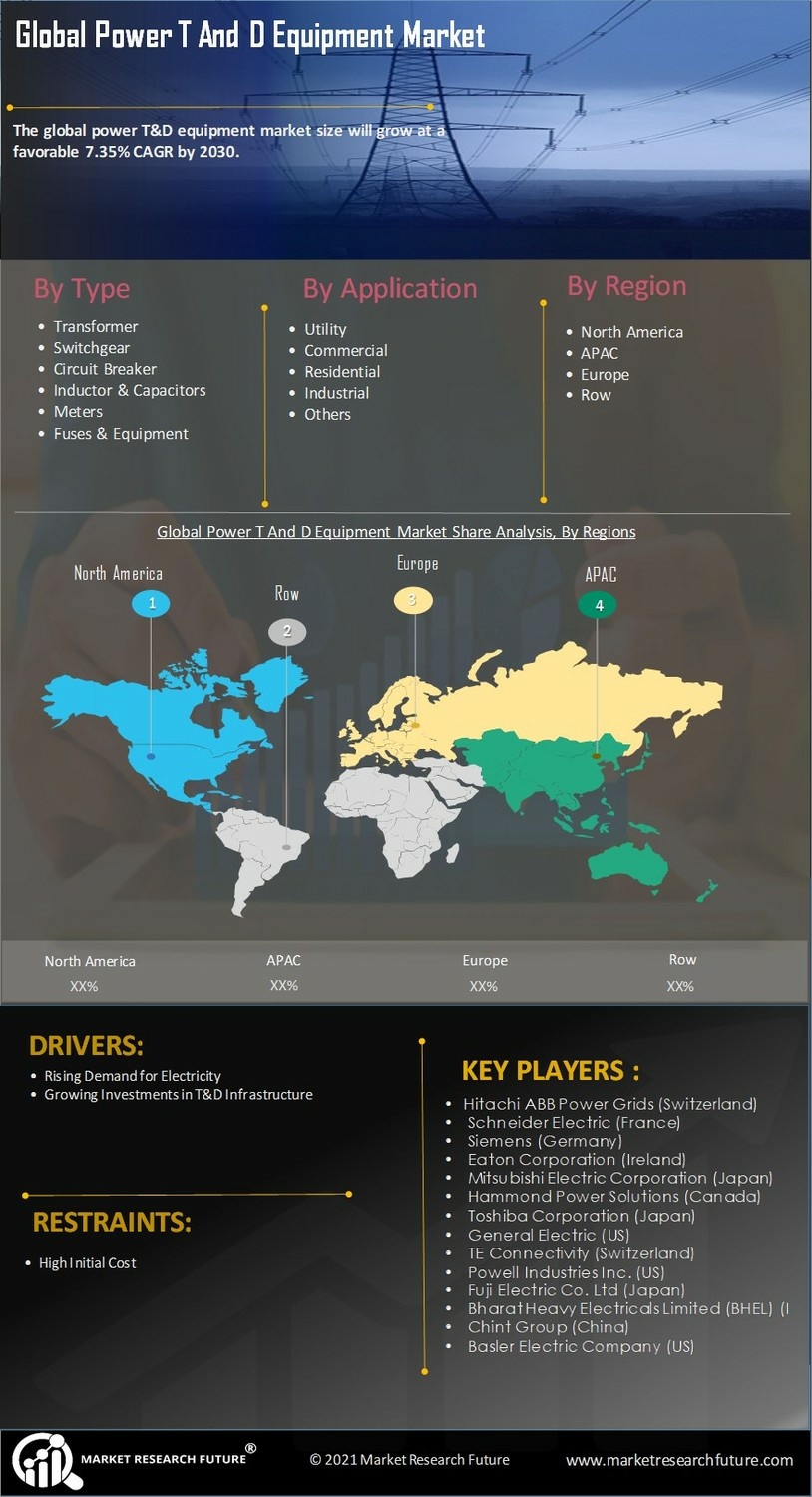
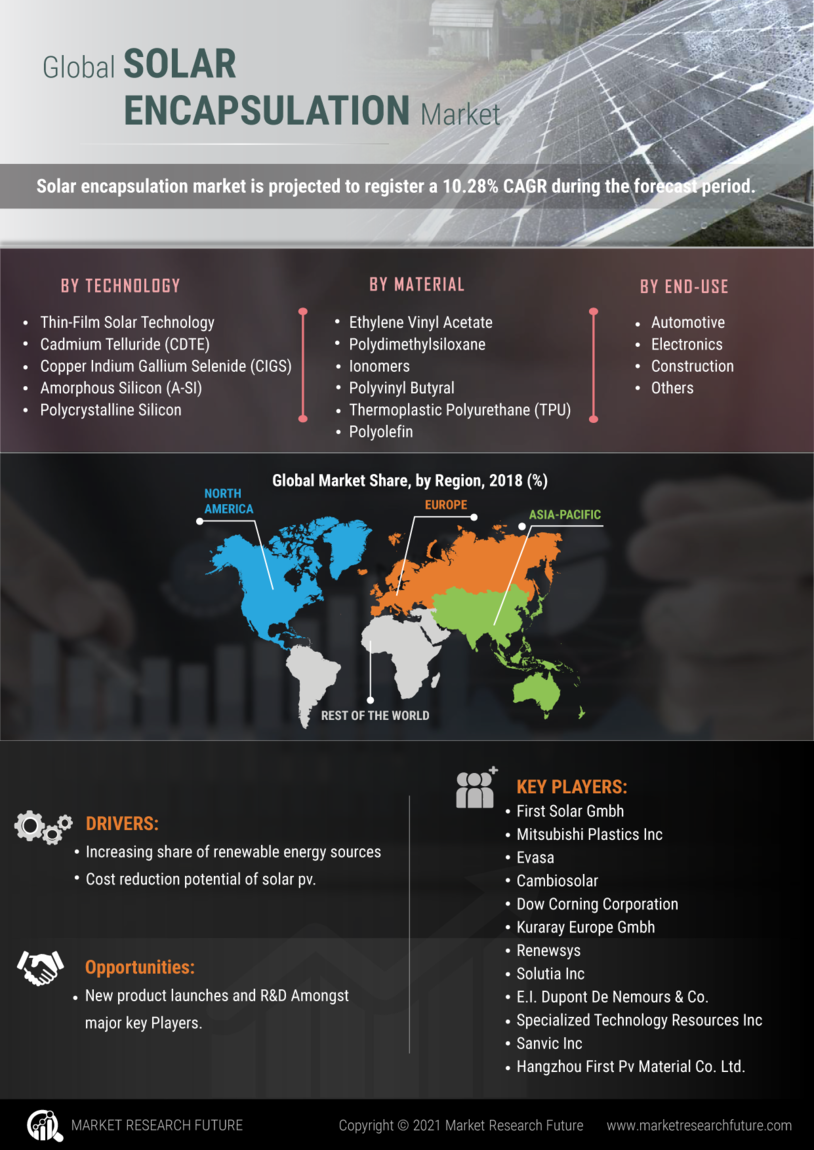
More Stories
