



• Top 10 Companies in the Global Ibandronate Market Growing at 2.9% CAGR Through 2034
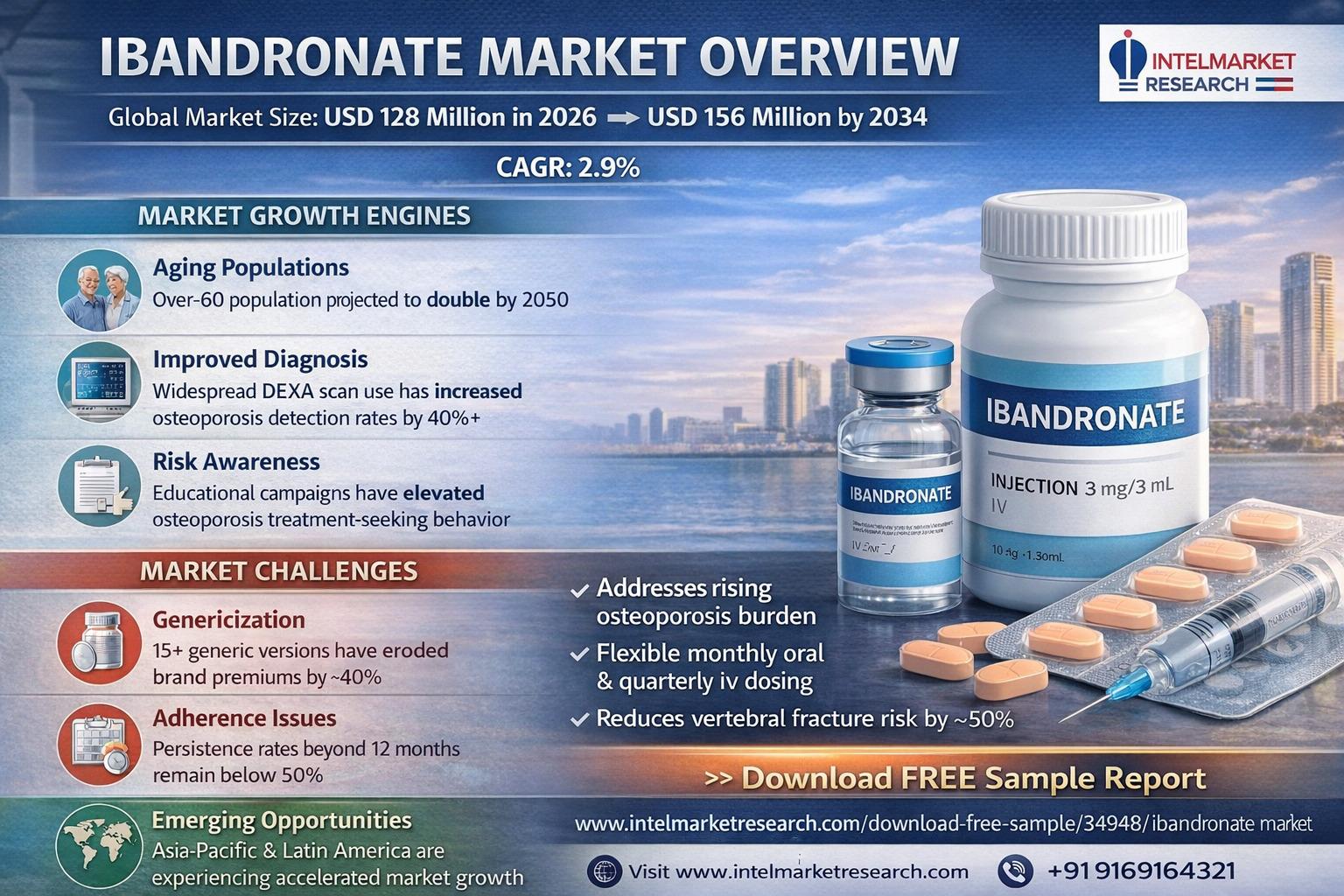
    According to the latest market intelligence from Intel Market Research, Global Ibandronate market was valued at USD 128 million in 2025 and is projected to reach USD 156 million by 2034, growing at a steady CAGR of 2.9% during the forecast period (2026–2034). This growth trajectory reflects the increasing global burden of osteoporosis and rising demand for effective bone density management solutions, particularly among aging populations.
    Understanding Ibandronate: A Bone Health Cornerstone
    Ibandronate, a nitrogen-containing bisphosphonate, has established itself as a frontline therapy for postmenopausal osteoporosis through its potent inhibition of osteoclast-mediated bone resorption. Available in both oral (monthly dosing) and intravenous (quarterly administration) formulations, it offers flexible treatment regimens that significantly improve patient adherence compared to daily dosing alternatives.
    The drug's unique biochemical properties allow selective targeting of bone tissues, where it achieves concentrations up to 1,000 times higher than in circulation. This localized action minimizes systemic side effects while maximizing therapeutic impact - reducing vertebral fracture risk by approximately 50% and non-vertebral fractures by 20-30% according to post-marketing surveillance data.
    Download FREE Sample Report:
    https://www.intelmarketresearch.com/download-free-sample/34948/ibandronate-market
    Top 10 Companies in the Global Ibandronate Market Growing at 2.9% CAGR Through 2034 According to the latest market intelligence from Intel Market Research, Global Ibandronate market was valued at USD 128 million in 2025 and is projected to reach USD 156 million by 2034, growing at a steady CAGR of 2.9% during the forecast period (2026–2034). This growth trajectory reflects the increasing global burden of osteoporosis and rising demand for effective bone density management solutions, particularly among aging populations. Understanding Ibandronate: A Bone Health Cornerstone Ibandronate, a nitrogen-containing bisphosphonate, has established itself as a frontline therapy for postmenopausal osteoporosis through its potent inhibition of osteoclast-mediated bone resorption. Available in both oral (monthly dosing) and intravenous (quarterly administration) formulations, it offers flexible treatment regimens that significantly improve patient adherence compared to daily dosing alternatives. The drug's unique biochemical properties allow selective targeting of bone tissues, where it achieves concentrations up to 1,000 times higher than in circulation. This localized action minimizes systemic side effects while maximizing therapeutic impact - reducing vertebral fracture risk by approximately 50% and non-vertebral fractures by 20-30% according to post-marketing surveillance data. Download FREE Sample Report: https://www.intelmarketresearch.com/download-free-sample/34948/ibandronate-market
    👁️ 0 | 💰 Rs 0.00
    0 Yorumlar 0 hisse senetleri
    0 önizleme

  • #marketing #perfume#dream#90%#4
    #marketing #perfume#dream#90%#4
    Like
    1
    👁️ 0 | 💰 Rs 0.00
    0 Yorumlar 0 hisse senetleri
    0 önizleme

  • #marketing#perfume#skill#network#k
    #marketing#perfume#skill#network#k
    👁️ 0 | 💰 Rs 0.00
    0 Yorumlar 0 hisse senetleri
    0 önizleme

  • #luxury#perfume#sales#marketing#n
    #luxury#perfume#sales#marketing#n
    👁️ 0 | 💰 Rs 0.00
    0 Yorumlar 0 hisse senetleri
    0 önizleme

  • #marketing#sales#high#quality#scent
    #marketing#sales#high#quality#scent
    👁️ 0 | 💰 Rs 0.00
    0 Yorumlar 0 hisse senetleri
    0 önizleme
  • Effectively monetizing a mobile app is crucial for its long-term sustainability. This article explores various monetization strategies, including advertising, subscriptions, and in-app purchases, to help developers choose the best approach. The choice of monetization strategy can significantly impact an app's profitability and user experience. Understanding the strengths and weaknesses of each approach is essential for developers aiming to maximize revenue while maintaining user satisfaction.

    Monetization strategies can be broadly categorized into ad-supported, paid, and freemium models. Ad-supported apps generate revenue through advertisements displayed within the app. This model is popular among developers because it allows users to access the app for free, thereby attracting a larger audience. However, excessive ads can lead to a poor user experience, causing users to abandon the app. Striking a balance between ad placement and user experience is critical for success.

    Paid apps require users to pay upfront to download the app. This model can be effective for apps that offer unique features or services that justify the cost. However, the challenge lies in convincing users to make the initial purchase. Marketing strategies, such as offering free trials or limited-time discounts, can help increase downloads. Additionally, maintaining high-quality content and regular updates is essential to retain users and encourage positive reviews.

    The freemium model, which offers basic features for free and charges for premium content, has gained popularity due to its ability to attract a larger user base. This model allows users to experience the app without any financial commitment, increasing the likelihood of downloads. Once users are engaged, developers can encourage them to upgrade to a paid version or make in-app purchases for additional features or content. Successful examples of this model include apps like Spotify and Dropbox, which offer free tiers with the option to upgrade for enhanced functionality.

    In-app purchases are another effective monetization strategy, allowing users to buy virtual goods or additional features within the app. This model is particularly popular in gaming apps, where users can purchase in-game currency, extra lives, or cosmetic items. However, developers must ensure that in-app purchases do not create a pay-to-win environment, as this can alienate users and lead to negative feedback. Balancing the value of in-app purchases with the overall user experience is crucial for maintaining user satisfaction.

    Successful monetization examples include Spotify, which uses a freemium model to attract users and convert them to paid subscribers. The app offers a free version with ads and limited features, while the premium version provides an ad-free experience and additional functionalities. Candy Crush, on the other hand, generates revenue through in-app purchases, offering players the option to buy extra lives and boosts to enhance their gaming experience.

    Selecting the right monetization strategy is essential for maximizing revenue while maintaining a positive user experience. Developers should carefully consider their target audience, app functionality, and market trends when choosing an approach. Additionally, monitoring user feedback and adapting the monetization strategy as needed can help ensure long-term success.

    In conclusion, monetization strategies play a vital role in the sustainability of mobile apps. By understanding the strengths and weaknesses of various approaches, developers can choose the best fit for their applications. A well-planned monetization strategy not only drives revenue but also enhances user engagement and satisfaction. As the mobile app landscape continues to evolve, staying informed about industry trends and user preferences will be crucial for developers looking to succeed in this competitive market.@https://www.marketresearchfuture.com/reports/mobile-app-development-market-1752
    Effectively monetizing a mobile app is crucial for its long-term sustainability. This article explores various monetization strategies, including advertising, subscriptions, and in-app purchases, to help developers choose the best approach. The choice of monetization strategy can significantly impact an app's profitability and user experience. Understanding the strengths and weaknesses of each approach is essential for developers aiming to maximize revenue while maintaining user satisfaction. Monetization strategies can be broadly categorized into ad-supported, paid, and freemium models. Ad-supported apps generate revenue through advertisements displayed within the app. This model is popular among developers because it allows users to access the app for free, thereby attracting a larger audience. However, excessive ads can lead to a poor user experience, causing users to abandon the app. Striking a balance between ad placement and user experience is critical for success. Paid apps require users to pay upfront to download the app. This model can be effective for apps that offer unique features or services that justify the cost. However, the challenge lies in convincing users to make the initial purchase. Marketing strategies, such as offering free trials or limited-time discounts, can help increase downloads. Additionally, maintaining high-quality content and regular updates is essential to retain users and encourage positive reviews. The freemium model, which offers basic features for free and charges for premium content, has gained popularity due to its ability to attract a larger user base. This model allows users to experience the app without any financial commitment, increasing the likelihood of downloads. Once users are engaged, developers can encourage them to upgrade to a paid version or make in-app purchases for additional features or content. Successful examples of this model include apps like Spotify and Dropbox, which offer free tiers with the option to upgrade for enhanced functionality. In-app purchases are another effective monetization strategy, allowing users to buy virtual goods or additional features within the app. This model is particularly popular in gaming apps, where users can purchase in-game currency, extra lives, or cosmetic items. However, developers must ensure that in-app purchases do not create a pay-to-win environment, as this can alienate users and lead to negative feedback. Balancing the value of in-app purchases with the overall user experience is crucial for maintaining user satisfaction. Successful monetization examples include Spotify, which uses a freemium model to attract users and convert them to paid subscribers. The app offers a free version with ads and limited features, while the premium version provides an ad-free experience and additional functionalities. Candy Crush, on the other hand, generates revenue through in-app purchases, offering players the option to buy extra lives and boosts to enhance their gaming experience. Selecting the right monetization strategy is essential for maximizing revenue while maintaining a positive user experience. Developers should carefully consider their target audience, app functionality, and market trends when choosing an approach. Additionally, monitoring user feedback and adapting the monetization strategy as needed can help ensure long-term success. In conclusion, monetization strategies play a vital role in the sustainability of mobile apps. By understanding the strengths and weaknesses of various approaches, developers can choose the best fit for their applications. A well-planned monetization strategy not only drives revenue but also enhances user engagement and satisfaction. As the mobile app landscape continues to evolve, staying informed about industry trends and user preferences will be crucial for developers looking to succeed in this competitive market.@https://www.marketresearchfuture.com/reports/mobile-app-development-market-1752
    WWW.MARKETRESEARCHFUTURE.COM
    Mobile App Development Market Size, Trends, Global Report - 2035
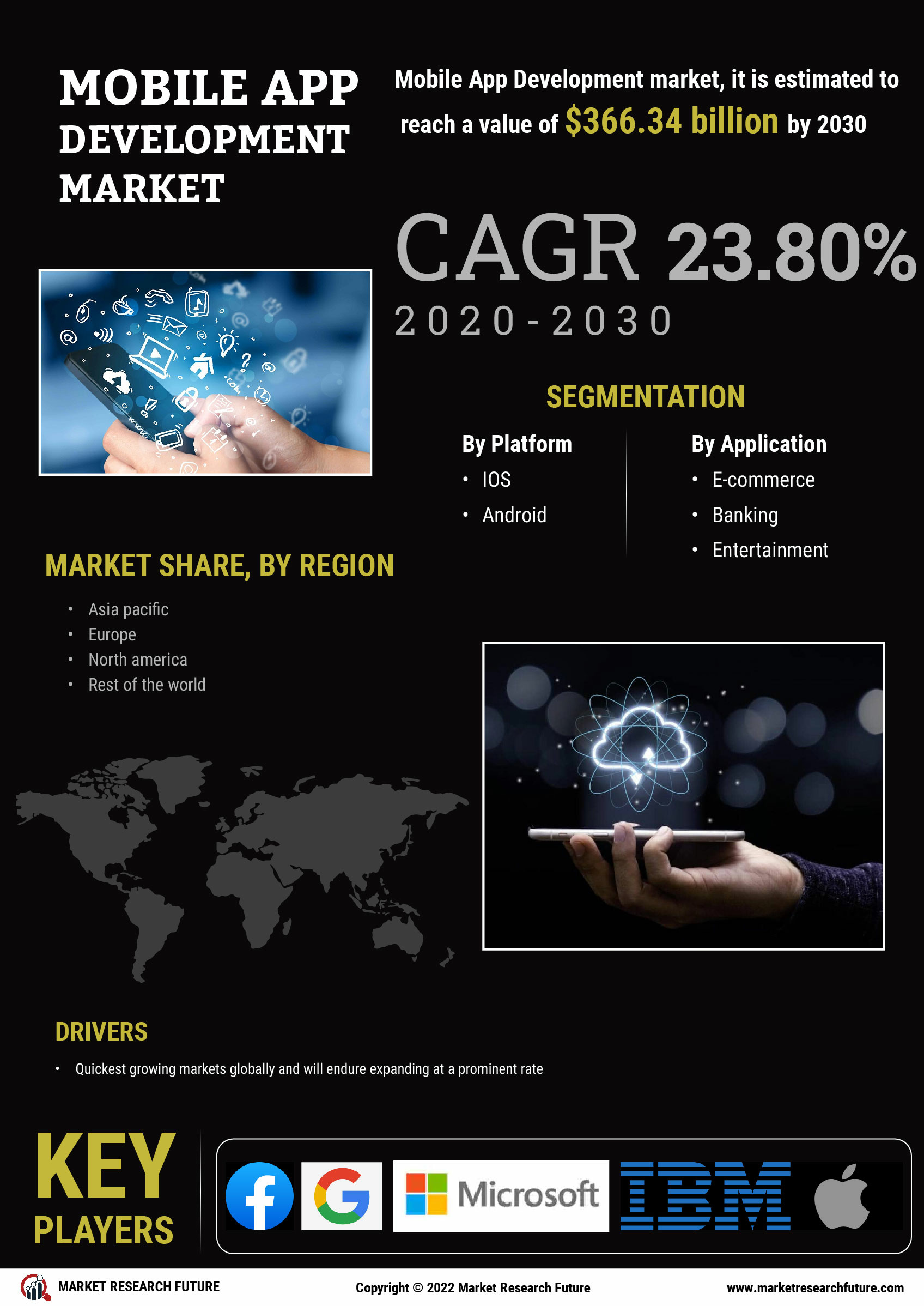
    Mobile App Development Market is Estimated to Grow USD 988.5 Billion By 2035, Reaching at a CAGR of 23.80% During the Forecast Period 2025 - 2035 | Advances Propels Market
    👁️ 0 | 💰 Rs 0.00
    0 Yorumlar 0 hisse senetleri
    0 önizleme
  • Despite its rapid growth, the video streaming software market faces several challenges that could hinder its progress. Issues such as content piracy, regulatory hurdles, and fierce competition pose significant threats to established and emerging players. This article analyzes these challenges and discusses potential strategies for overcoming them to ensure sustainable growth in the industry.

    Content piracy remains a significant concern for the video streaming software market. Unauthorized distribution of copyrighted material can lead to substantial revenue losses for companies and undermine the value of original content. To combat this issue, streaming services must invest in robust anti-piracy measures, including encryption technologies and digital rights management (DRM) systems. Educating consumers about the importance of supporting legitimate platforms can also help reduce piracy rates.

    Regulatory hurdles present another challenge for streaming services, particularly in international markets. Different countries have varying laws regarding content distribution, data privacy, and advertising practices. Navigating these regulations can be complex and time-consuming, often requiring companies to adapt their strategies to comply with local laws. Building strong relationships with regulatory bodies and staying informed about changes in legislation can help companies mitigate these challenges.

    Fierce competition in the video streaming software market is another significant hurdle. With numerous platforms vying for consumer attention, companies must continuously innovate to differentiate themselves. This competition can lead to price wars, which may erode profit margins and make it difficult for smaller players to survive. To thrive in this environment, companies should focus on building brand loyalty through unique content offerings, superior user experiences, and effective marketing strategies.

    Additionally, the rapid pace of technological change poses challenges for streaming services. Keeping up with advancements in technology, such as new streaming protocols and consumer devices, requires ongoing investment and adaptation. Companies that fail to innovate risk losing market share to more agile competitors. Staying ahead of technological trends and investing in research and development can help companies maintain their competitive edge.

    Lastly, changing consumer preferences can also pose challenges for the video streaming software market. As viewers become more discerning about their content choices, companies must be agile in adapting to these shifts. Regularly gathering feedback from users and analyzing viewing habits can provide valuable insights into emerging trends and preferences, allowing companies to pivot their strategies accordingly.

    In conclusion, while the video streaming software market presents significant opportunities for growth, it is not without its challenges. By addressing issues such as content piracy, regulatory hurdles, competition, technological change, and evolving consumer preferences, companies can position themselves for long-term success in this dynamic industry.@https://www.marketresearchfuture.com/reports/video-streaming-software-market-5228
    Despite its rapid growth, the video streaming software market faces several challenges that could hinder its progress. Issues such as content piracy, regulatory hurdles, and fierce competition pose significant threats to established and emerging players. This article analyzes these challenges and discusses potential strategies for overcoming them to ensure sustainable growth in the industry. Content piracy remains a significant concern for the video streaming software market. Unauthorized distribution of copyrighted material can lead to substantial revenue losses for companies and undermine the value of original content. To combat this issue, streaming services must invest in robust anti-piracy measures, including encryption technologies and digital rights management (DRM) systems. Educating consumers about the importance of supporting legitimate platforms can also help reduce piracy rates. Regulatory hurdles present another challenge for streaming services, particularly in international markets. Different countries have varying laws regarding content distribution, data privacy, and advertising practices. Navigating these regulations can be complex and time-consuming, often requiring companies to adapt their strategies to comply with local laws. Building strong relationships with regulatory bodies and staying informed about changes in legislation can help companies mitigate these challenges. Fierce competition in the video streaming software market is another significant hurdle. With numerous platforms vying for consumer attention, companies must continuously innovate to differentiate themselves. This competition can lead to price wars, which may erode profit margins and make it difficult for smaller players to survive. To thrive in this environment, companies should focus on building brand loyalty through unique content offerings, superior user experiences, and effective marketing strategies. Additionally, the rapid pace of technological change poses challenges for streaming services. Keeping up with advancements in technology, such as new streaming protocols and consumer devices, requires ongoing investment and adaptation. Companies that fail to innovate risk losing market share to more agile competitors. Staying ahead of technological trends and investing in research and development can help companies maintain their competitive edge. Lastly, changing consumer preferences can also pose challenges for the video streaming software market. As viewers become more discerning about their content choices, companies must be agile in adapting to these shifts. Regularly gathering feedback from users and analyzing viewing habits can provide valuable insights into emerging trends and preferences, allowing companies to pivot their strategies accordingly. In conclusion, while the video streaming software market presents significant opportunities for growth, it is not without its challenges. By addressing issues such as content piracy, regulatory hurdles, competition, technological change, and evolving consumer preferences, companies can position themselves for long-term success in this dynamic industry.@https://www.marketresearchfuture.com/reports/video-streaming-software-market-5228
    WWW.MARKETRESEARCHFUTURE.COM
    Video Streaming Software Market Size, Industry Growth | 2035
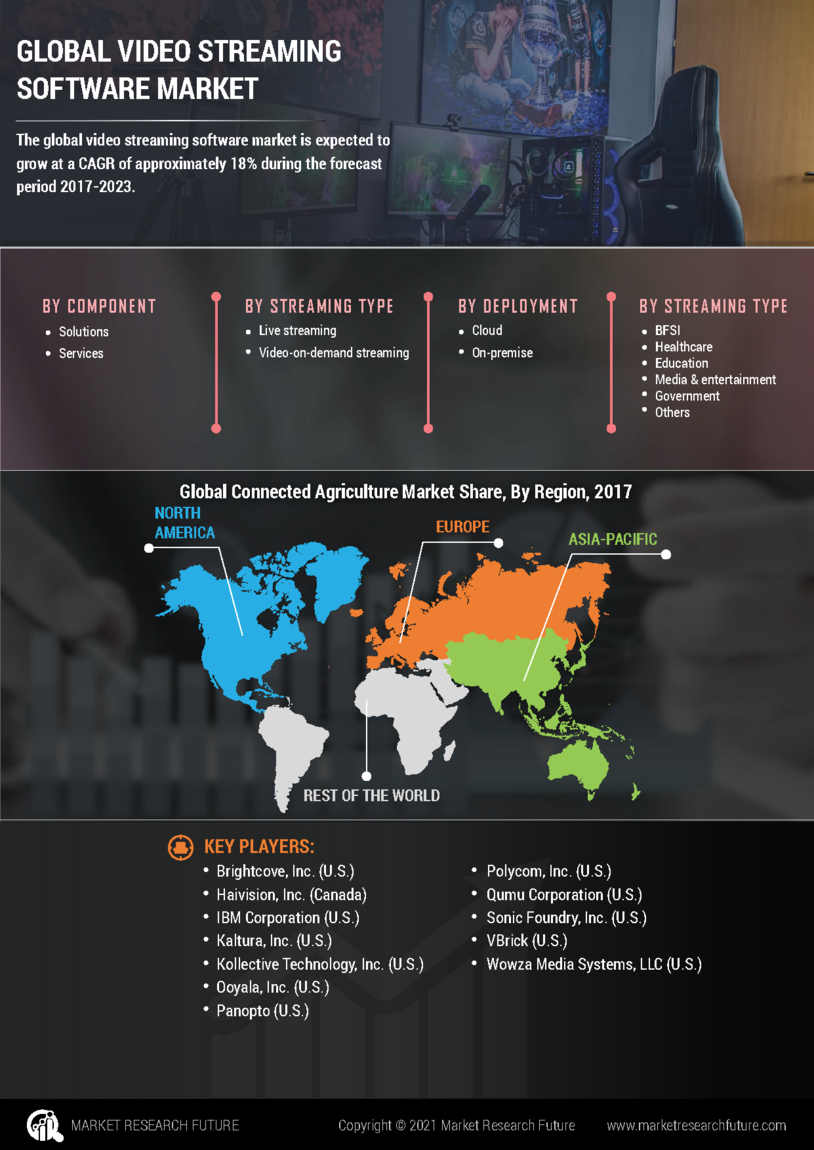
    Video Streaming Software Market is Estimated to Grow USD 16.68 Billion by 2035, Reaching at a CAGR of 9.59% During 2025 - 2035 | Enhanced Connectivity Solutions
    👁️ 0 | 💰 Rs 0.00
    0 Yorumlar 0 hisse senetleri
    0 önizleme
  • The Marketing Automation Software Market
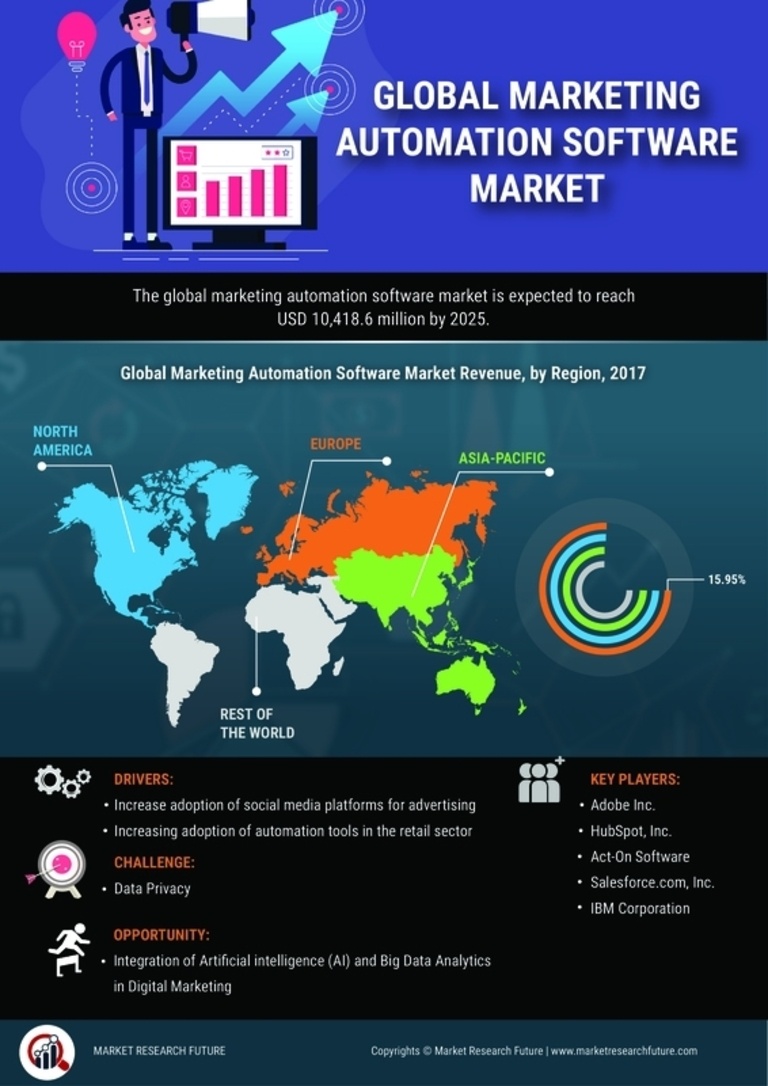
    is reshaping marketing operations by providing solutions that automate repetitive tasks, enhance customer interactions, and optimize campaign performance. Organizations utilize these platforms to manage email campaigns, social media marketing, CRM integrations, lead scoring, and performance analytics efficiently. AI-powered automation and predictive analytics have enhanced personalization, segmentation, and targeting capabilities, allowing businesses to engage customers more effectively. Cloud-based platforms offer scalability, cost efficiency, and flexibility, making them attractive to both large enterprises and SMEs. Market growth is fueled by the increasing emphasis on omnichannel marketing strategies and the need for data-driven decision-making. Challenges such as data privacy regulations, integration complexities, and skill shortages affect adoption but are being addressed through innovative solutions and training initiatives. North America leads due to early adoption and technological infrastructure, while Asia-Pacific demonstrates rapid growth driven by digital transformation and e-commerce proliferation. Europe maintains steady adoption, balancing regulatory compliance with innovation. As organizations increasingly embrace automation to enhance marketing efficiency and customer engagement, the Marketing Automation Software Market is poised for sustained growth.@https://www.marketresearchfuture.com/reports/marketing-automation-software-market-4927
    The Marketing Automation Software Market is reshaping marketing operations by providing solutions that automate repetitive tasks, enhance customer interactions, and optimize campaign performance. Organizations utilize these platforms to manage email campaigns, social media marketing, CRM integrations, lead scoring, and performance analytics efficiently. AI-powered automation and predictive analytics have enhanced personalization, segmentation, and targeting capabilities, allowing businesses to engage customers more effectively. Cloud-based platforms offer scalability, cost efficiency, and flexibility, making them attractive to both large enterprises and SMEs. Market growth is fueled by the increasing emphasis on omnichannel marketing strategies and the need for data-driven decision-making. Challenges such as data privacy regulations, integration complexities, and skill shortages affect adoption but are being addressed through innovative solutions and training initiatives. North America leads due to early adoption and technological infrastructure, while Asia-Pacific demonstrates rapid growth driven by digital transformation and e-commerce proliferation. Europe maintains steady adoption, balancing regulatory compliance with innovation. As organizations increasingly embrace automation to enhance marketing efficiency and customer engagement, the Marketing Automation Software Market is poised for sustained growth.@https://www.marketresearchfuture.com/reports/marketing-automation-software-market-4927
    WWW.MARKETRESEARCHFUTURE.COM
    Marketing Automation Software Market Size, Forecast | 2035
    Marketing Automation Software Market is Reaching at a CAGR of 9.96%, Estimated to Grow from USD 5.63 Billion to USD 16 Billion During 2025 - 2035 | MRFR
    👁️ 0 | 💰 Rs 0.00
    0 Yorumlar 0 hisse senetleri
    0 önizleme
  • Compliance with regulations is crucial in the email marketing market to protect consumer privacy. As data protection laws become more stringent, marketers must ensure that their email practices adhere to legal requirements. The General Data Protection Regulation (GDPR) is one of the most significant regulations affecting email marketing, particularly for businesses operating in or targeting consumers in the European Union. GDPR mandates that businesses obtain explicit consent from individuals before collecting their personal data. This means that marketers must implement clear opt-in processes and provide transparency about how data will be used. The CAN-SPAM Act is another important regulation in the United States that sets rules for commercial emails. It requires businesses to include a clear opt-out option in every email and to honor unsubscribe requests promptly. Best practices for email marketing compliance include using double opt-in methods, where subscribers confirm their email addresses before receiving communications. This approach not only ensures compliance but also helps build a more engaged subscriber list. Additionally, marketers should prioritize data security by using encryption and secure servers to protect customer information. Regular audits of email marketing practices can help ensure ongoing compliance with changing regulations. By adhering to these compliance guidelines and best practices, businesses can protect consumer privacy while fostering trust and credibility in their email marketing efforts.
    Compliance with regulations is crucial in the email marketing market to protect consumer privacy. As data protection laws become more stringent, marketers must ensure that their email practices adhere to legal requirements. The General Data Protection Regulation (GDPR) is one of the most significant regulations affecting email marketing, particularly for businesses operating in or targeting consumers in the European Union. GDPR mandates that businesses obtain explicit consent from individuals before collecting their personal data. This means that marketers must implement clear opt-in processes and provide transparency about how data will be used. The CAN-SPAM Act is another important regulation in the United States that sets rules for commercial emails. It requires businesses to include a clear opt-out option in every email and to honor unsubscribe requests promptly. Best practices for email marketing compliance include using double opt-in methods, where subscribers confirm their email addresses before receiving communications. This approach not only ensures compliance but also helps build a more engaged subscriber list. Additionally, marketers should prioritize data security by using encryption and secure servers to protect customer information. Regular audits of email marketing practices can help ensure ongoing compliance with changing regulations. By adhering to these compliance guidelines and best practices, businesses can protect consumer privacy while fostering trust and credibility in their email marketing efforts.
    👁️ 0 | 💰 Rs 0.00
    0 Yorumlar 0 hisse senetleri
    0 önizleme
Freecave – Social Media Platform https://freecave.net