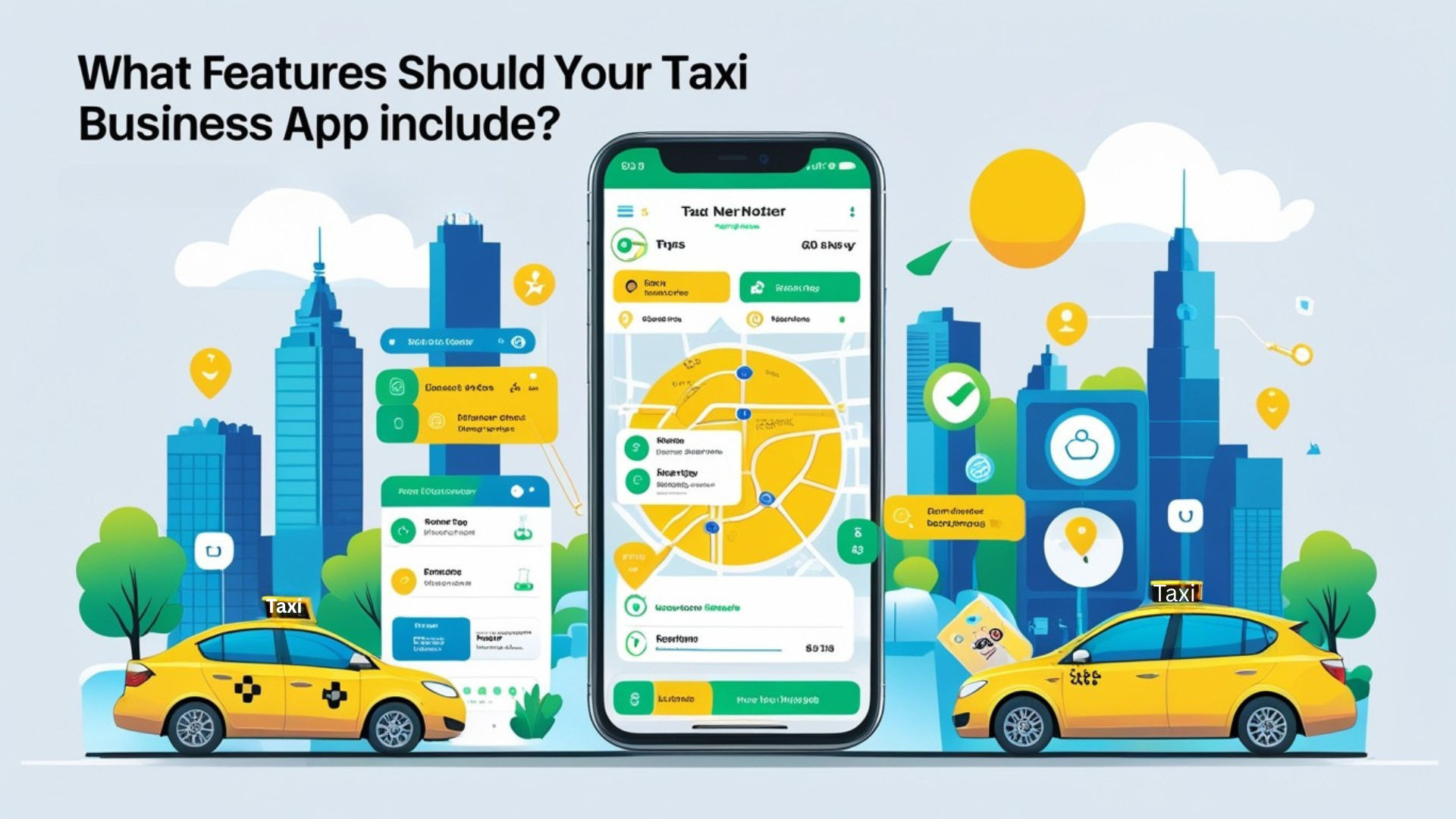
• What Features Should Your Taxi Business App Include?

    In today's fast-paced world, a reliable and efficient taxi business app is essential for both passengers and drivers. With the growing demand for convenient transportation solutions, having an app that meets the needs of all users can set your business apart from the competition. From seamless booking processes to secure payment options, the features you choose to integrate into your taxi app can significantly impact user experience and business success. This article explores the key features your taxi business app should include to ensure a smooth, user-friendly experience for everyone involved.

    Explore Our Services:
    https://gojekcloneappscript.com/starting-a-taxi-business-in-indonesia/

    #business #computer #technology #taxiservice #taxibusiness #gojekclone #gojekcloneapp #gojekcloneappscript #ondemandappclone #gojekappclone #whitelabeltaxiservice #gojekapp #gojekcloneappdevelopmentcompany #taxicloneapp #taxibookingapp #ubertaxi #ubertaxibookingapp #cabsbusiness
    What Features Should Your Taxi Business App Include? In today's fast-paced world, a reliable and efficient taxi business app is essential for both passengers and drivers. With the growing demand for convenient transportation solutions, having an app that meets the needs of all users can set your business apart from the competition. From seamless booking processes to secure payment options, the features you choose to integrate into your taxi app can significantly impact user experience and business success. This article explores the key features your taxi business app should include to ensure a smooth, user-friendly experience for everyone involved. Explore Our Services: https://gojekcloneappscript.com/starting-a-taxi-business-in-indonesia/ #business #computer #technology #taxiservice #taxibusiness #gojekclone #gojekcloneapp #gojekcloneappscript #ondemandappclone #gojekappclone #whitelabeltaxiservice #gojekapp #gojekcloneappdevelopmentcompany #taxicloneapp #taxibookingapp #ubertaxi #ubertaxibookingapp #cabsbusiness
    👁️ 0 | 💰 Rs 0.00
    0 Commenti 0 condivisioni
    0 Anteprima
  • Build a Successful On-Demand Dating App for Today’s Digital Users

    In today's fast-paced digital world, the landscape of dating has evolved significantly, giving rise to on-demand dating apps that cater to the needs of modern users. As individuals increasingly seek convenience and instant connection, the demand for intuitive and engaging dating platforms has surged. Building a successful on-demand dating app requires a deep understanding of user behavior, cutting-edge technology, and an emphasis on safety and privacy. This article will explore the essential components of creating a competitive dating app that not only attracts users but also retains them in a crowded market, while addressing the unique challenges and opportunities presented by today's digital dating landscape.

    Explore Our Services:
    https://gojekcloneappscript.com/

    #business #technology #datingapp #ondemanddatingapp #onlineDating #mobileDatingApp #datingappdevelopment #datingappmarket #datingapptrends #datingappstartup #datingappbusiness #datingappsoftware #datingappsolution #digitalusers
    Build a Successful On-Demand Dating App for Today’s Digital Users In today's fast-paced digital world, the landscape of dating has evolved significantly, giving rise to on-demand dating apps that cater to the needs of modern users. As individuals increasingly seek convenience and instant connection, the demand for intuitive and engaging dating platforms has surged. Building a successful on-demand dating app requires a deep understanding of user behavior, cutting-edge technology, and an emphasis on safety and privacy. This article will explore the essential components of creating a competitive dating app that not only attracts users but also retains them in a crowded market, while addressing the unique challenges and opportunities presented by today's digital dating landscape. Explore Our Services: https://gojekcloneappscript.com/ #business #technology #datingapp #ondemanddatingapp #onlineDating #mobileDatingApp #datingappdevelopment #datingappmarket #datingapptrends #datingappstartup #datingappbusiness #datingappsoftware #datingappsolution #digitalusers
    👁️ 0 | 💰 Rs 0.00
    0 Commenti 0 condivisioni
    0 Anteprima
  • How to Start a Taxi Business in USA: A Complete Guide for Entrepreneurs

    Starting a taxi business in the USA can be a rewarding venture, tapping into a steady demand for transportation services in urban and suburban areas alike. With the rise of rideshare platforms and a shifting transportation landscape, entrepreneurs have unique opportunities to carve out their niche in this competitive industry. Whether you are considering launching a traditional taxi service or an innovative rideshare model, understanding the intricacies of the market, navigating legal requirements, and developing a solid business strategy are essential steps toward success. This complete guide will walk you through the fundamental aspects of starting your own taxi business, providing you with the knowledge and tools needed to thrive in this dynamic field.

    Explore Our Services:
    https://gojekcloneappscript.com/starting-a-taxi-business-in-indonesia/

    #business #computer #technology #taxibusiness #taxibusinessinusa #taxistartup #ondemandtaxiapp #taxiappdevelopment #multiserviceapp #gojekcloneappscript #gojekclone #ondemandtaxibusiness #whitelabeltaxiappdevelopment #gojektaxiappdevelopment #gojekappclone #gojekcloneappdevelopment
    How to Start a Taxi Business in USA: A Complete Guide for Entrepreneurs Starting a taxi business in the USA can be a rewarding venture, tapping into a steady demand for transportation services in urban and suburban areas alike. With the rise of rideshare platforms and a shifting transportation landscape, entrepreneurs have unique opportunities to carve out their niche in this competitive industry. Whether you are considering launching a traditional taxi service or an innovative rideshare model, understanding the intricacies of the market, navigating legal requirements, and developing a solid business strategy are essential steps toward success. This complete guide will walk you through the fundamental aspects of starting your own taxi business, providing you with the knowledge and tools needed to thrive in this dynamic field. Explore Our Services: https://gojekcloneappscript.com/starting-a-taxi-business-in-indonesia/ #business #computer #technology #taxibusiness #taxibusinessinusa #taxistartup #ondemandtaxiapp #taxiappdevelopment #multiserviceapp #gojekcloneappscript #gojekclone #ondemandtaxibusiness #whitelabeltaxiappdevelopment #gojektaxiappdevelopment #gojekappclone #gojekcloneappdevelopment
    👁️ 0 | 💰 Rs 0.00
    0 Commenti 0 condivisioni
    0 Anteprima
  • Hydrogen Market Growth Driven by Decarbonization Strategies Worldwide
    https://www.marketresearchfuture.com/reports/hydrogen-market-12306

    The global energy transition is accelerating as countries seek cleaner alternatives to fossil fuels, and the Hydrogen Market Growth has become a central focus in the shift toward low-carbon energy systems. Hydrogen is widely regarded as a versatile energy carrier capable of supporting decarbonization across industries such as transportation, power generation, and manufacturing. As governments and private sectors invest heavily in hydrogen infrastructure and production technologies, the market is experiencing significant expansion worldwide.

    Hydrogen has long been used in industrial applications such as petroleum refining, ammonia production, and chemical manufacturing. However, its role is evolving rapidly as nations strive to meet climate goals and reduce greenhouse gas emissions. Hydrogen can be produced through several methods, including natural gas reforming, coal gasification, and water electrolysis. While traditional hydrogen production methods remain dominant, the increasing emphasis on sustainable energy is encouraging the development of low-carbon and renewable hydrogen production techniques.

    One of the major drivers behind hydrogen market growth is the global push for decarbonization. Governments across Europe, Asia-Pacific, and North America are introducing policies and strategies to support hydrogen adoption. National hydrogen roadmaps, subsidies, and funding programs are helping accelerate research, infrastructure development, and commercial deployment. Countries such as Japan, South Korea, Germany, and Australia are among the leaders investing in hydrogen technologies and building hydrogen-based energy ecosystems.

    Another key factor fueling the growth of the hydrogen market is its expanding role in the transportation sector. Hydrogen fuel cell vehicles (FCEVs) are emerging as a promising alternative to traditional internal combustion engine vehicles and battery electric vehicles. Fuel cell vehicles generate electricity by combining hydrogen and oxygen, producing only water as a byproduct. This makes hydrogen an attractive option for reducing emissions in transportation, particularly for heavy-duty vehicles such as trucks, buses, and trains.

    Hydrogen is also gaining importance in power generation and energy storage. Renewable energy sources such as solar and wind are inherently intermittent, creating challenges for grid stability. Hydrogen can be produced using excess renewable electricity through electrolysis and stored for later use. This stored hydrogen can then be converted back into electricity when needed, providing a reliable energy storage solution that supports the integration of renewable energy into power grids.

    Industrial decarbonization is another important area driving hydrogen demand. Industries such as steel, cement, and chemicals are among the largest contributors to global carbon emissions. Hydrogen can replace fossil fuels in high-temperature industrial processes, significantly reducing emissions. For example, hydrogen-based direct reduction of iron is being explored as a cleaner alternative to traditional steelmaking processes.

    Technological advancements are further supporting the expansion of the hydrogen market. Improvements in electrolyzer efficiency, hydrogen storage systems, and transportation infrastructure are making hydrogen more viable as a large-scale energy solution. Companies are investing in research and development to reduce production costs and improve the overall efficiency of hydrogen technologies.

    Regionally, Asia-Pacific currently leads the hydrogen market due to strong government initiatives and large-scale industrial demand. Countries such as China, Japan, and South Korea are actively developing hydrogen supply chains and infrastructure. Europe is also emerging as a major hydrogen hub, supported by ambitious climate targets and significant investments in green hydrogen projects. North America is witnessing growing interest in hydrogen applications, particularly in clean transportation and energy storage.

    Looking ahead, the hydrogen market is expected to witness substantial growth as global energy systems continue to transition toward sustainability. Increasing investments, supportive policies, and technological innovations will play a crucial role in expanding hydrogen production and applications across multiple industries.
    Hydrogen Market Growth Driven by Decarbonization Strategies Worldwide https://www.marketresearchfuture.com/reports/hydrogen-market-12306 The global energy transition is accelerating as countries seek cleaner alternatives to fossil fuels, and the Hydrogen Market Growth has become a central focus in the shift toward low-carbon energy systems. Hydrogen is widely regarded as a versatile energy carrier capable of supporting decarbonization across industries such as transportation, power generation, and manufacturing. As governments and private sectors invest heavily in hydrogen infrastructure and production technologies, the market is experiencing significant expansion worldwide. Hydrogen has long been used in industrial applications such as petroleum refining, ammonia production, and chemical manufacturing. However, its role is evolving rapidly as nations strive to meet climate goals and reduce greenhouse gas emissions. Hydrogen can be produced through several methods, including natural gas reforming, coal gasification, and water electrolysis. While traditional hydrogen production methods remain dominant, the increasing emphasis on sustainable energy is encouraging the development of low-carbon and renewable hydrogen production techniques. One of the major drivers behind hydrogen market growth is the global push for decarbonization. Governments across Europe, Asia-Pacific, and North America are introducing policies and strategies to support hydrogen adoption. National hydrogen roadmaps, subsidies, and funding programs are helping accelerate research, infrastructure development, and commercial deployment. Countries such as Japan, South Korea, Germany, and Australia are among the leaders investing in hydrogen technologies and building hydrogen-based energy ecosystems. Another key factor fueling the growth of the hydrogen market is its expanding role in the transportation sector. Hydrogen fuel cell vehicles (FCEVs) are emerging as a promising alternative to traditional internal combustion engine vehicles and battery electric vehicles. Fuel cell vehicles generate electricity by combining hydrogen and oxygen, producing only water as a byproduct. This makes hydrogen an attractive option for reducing emissions in transportation, particularly for heavy-duty vehicles such as trucks, buses, and trains. Hydrogen is also gaining importance in power generation and energy storage. Renewable energy sources such as solar and wind are inherently intermittent, creating challenges for grid stability. Hydrogen can be produced using excess renewable electricity through electrolysis and stored for later use. This stored hydrogen can then be converted back into electricity when needed, providing a reliable energy storage solution that supports the integration of renewable energy into power grids. Industrial decarbonization is another important area driving hydrogen demand. Industries such as steel, cement, and chemicals are among the largest contributors to global carbon emissions. Hydrogen can replace fossil fuels in high-temperature industrial processes, significantly reducing emissions. For example, hydrogen-based direct reduction of iron is being explored as a cleaner alternative to traditional steelmaking processes. Technological advancements are further supporting the expansion of the hydrogen market. Improvements in electrolyzer efficiency, hydrogen storage systems, and transportation infrastructure are making hydrogen more viable as a large-scale energy solution. Companies are investing in research and development to reduce production costs and improve the overall efficiency of hydrogen technologies. Regionally, Asia-Pacific currently leads the hydrogen market due to strong government initiatives and large-scale industrial demand. Countries such as China, Japan, and South Korea are actively developing hydrogen supply chains and infrastructure. Europe is also emerging as a major hydrogen hub, supported by ambitious climate targets and significant investments in green hydrogen projects. North America is witnessing growing interest in hydrogen applications, particularly in clean transportation and energy storage. Looking ahead, the hydrogen market is expected to witness substantial growth as global energy systems continue to transition toward sustainability. Increasing investments, supportive policies, and technological innovations will play a crucial role in expanding hydrogen production and applications across multiple industries.
    WWW.MARKETRESEARCHFUTURE.COM
    Hydrogen Market Size, Share and Industry Outlook 2035
    Hydrogen Market is projected to Reach USD 249.93 Billion at a CAGR of 4.17% from 2025 to 2035, driven by advancements in fuel cell technology, increasing demand for clean energy, and supportive government policies.
    👁️ 0 | 💰 Rs 0.00
    0 Commenti 0 condivisioni
    0 Anteprima
  • Multi-Service App: The Future of All-in-One On-Demand Platforms

    In today's fast-paced digital landscape, consumers are increasingly seeking convenience and efficiency in their everyday lives. Multi-service apps have emerged as a solution to this demand, offering a one-stop platform that encompasses a variety of services ranging from food delivery to transportation and beyond. By combining multiple functionalities into a single application, these platforms not only simplify user experiences but also provide businesses with new avenues for growth and engagement. As technology continues to evolve and consumer preferences shift, multi-service apps are poised to shape the future of on-demand services, making them an essential focus for both developers and users alike.

    Explore Our Services:
    https://gojekcloneappscript.com/why-gojek-clone-apps-are-the-future-of-multi-service-apps/

    #multiserviceapp #gojekcloneapp #gojekclonescript #gojekcloneappscript #gojekclone #ondemandgojekcloneapp #whitelabelgojekcloneapp #gojekcloneappdevelopmentcompany #gojekappclone #gojekcloneappdevelopment #ondemandmultiserviceapp
    Multi-Service App: The Future of All-in-One On-Demand Platforms In today's fast-paced digital landscape, consumers are increasingly seeking convenience and efficiency in their everyday lives. Multi-service apps have emerged as a solution to this demand, offering a one-stop platform that encompasses a variety of services ranging from food delivery to transportation and beyond. By combining multiple functionalities into a single application, these platforms not only simplify user experiences but also provide businesses with new avenues for growth and engagement. As technology continues to evolve and consumer preferences shift, multi-service apps are poised to shape the future of on-demand services, making them an essential focus for both developers and users alike. Explore Our Services: https://gojekcloneappscript.com/why-gojek-clone-apps-are-the-future-of-multi-service-apps/ #multiserviceapp #gojekcloneapp #gojekclonescript #gojekcloneappscript #gojekclone #ondemandgojekcloneapp #whitelabelgojekcloneapp #gojekcloneappdevelopmentcompany #gojekappclone #gojekcloneappdevelopment #ondemandmultiserviceapp
    👁️ 0 | 💰 Rs 0.00
    0 Commenti 0 condivisioni
    0 Anteprima
  • This article explores the top 10 popular taxi booking apps in the UK, examining their key offerings, user experiences, and the criteria that set them apart in a crowded marketplace. Whether you're a frequent traveler or just need a ride for a special occasion, understanding these options can help you make informed choices for your transportation needs.

    More Link: https://app-clone.com/top-10-popular-taxi-booking-apps-in-uk/

    #ubercloneapp #uberclone #uberclonescript #uberliketaxi #ondemandubercloneapp #taxicloneapp #ubercloneappscript #whitelabelubercloneapp #ondemanduberclonescript #uberappclone
    This article explores the top 10 popular taxi booking apps in the UK, examining their key offerings, user experiences, and the criteria that set them apart in a crowded marketplace. Whether you're a frequent traveler or just need a ride for a special occasion, understanding these options can help you make informed choices for your transportation needs. More Link: https://app-clone.com/top-10-popular-taxi-booking-apps-in-uk/ #ubercloneapp #uberclone #uberclonescript #uberliketaxi #ondemandubercloneapp #taxicloneapp #ubercloneappscript #whitelabelubercloneapp #ondemanduberclonescript #uberappclone
    👁️ 0 | 💰 Rs 0.00
    0 Commenti 0 condivisioni
    0 Anteprima
  • Global Bicycle Brake Linings Market Projected to Reach USD 1,256 Million by 2034, Growing at a CAGR of 5.4% – Key Players and Trends
    According to a new report from Intel Market Research, Global bicycle brake linings market was valued at USD 877 million in 2025 and is projected to reach USD 1,256 million by 2034, growing at a CAGR of 5.4% during the forecast period (2026-2034). This steady growth reflects the expanding cycling culture worldwide and increasing demand for high-performance braking components.

    What are Bicycle Brake Linings?
    Bicycle brake linings are the friction components that create stopping power by pressing against rims or discs. These critical safety elements come in various formulations (resin, semi-metallic, sintered) optimized for different riding conditions and bicycle types. Modern linings represent a technological leap from traditional designs, offering enhanced heat dissipation, wet-weather performance, and durability - especially important in demanding applications like mountain biking or urban e-bike commuting.

    This report provides comprehensive analysis of the bicycle brake linings market, examining everything from macro market trends to micro-level competitive dynamics. We explore material innovations, application-specific developments, and regional demand patterns shaping this specialized segment of the cycling component industry.

    The insights will help stakeholders understand:

    Key growth drivers and emerging opportunities

    Technological advancements in friction materials

    Competitive landscape and market positioning strategies

    Segmentation by product type, application, and geography

    📥 Download Sample Report: Bicycle Brake Linings Market - View in Detailed Research Report

    📥 Download Sample Report: https://www.intelmarketresearch.com/download-free-sample/36371/bicycle-brake-linings-market
    Global Bicycle Brake Linings Market Projected to Reach USD 1,256 Million by 2034, Growing at a CAGR of 5.4% – Key Players and Trends According to a new report from Intel Market Research, Global bicycle brake linings market was valued at USD 877 million in 2025 and is projected to reach USD 1,256 million by 2034, growing at a CAGR of 5.4% during the forecast period (2026-2034). This steady growth reflects the expanding cycling culture worldwide and increasing demand for high-performance braking components. What are Bicycle Brake Linings? Bicycle brake linings are the friction components that create stopping power by pressing against rims or discs. These critical safety elements come in various formulations (resin, semi-metallic, sintered) optimized for different riding conditions and bicycle types. Modern linings represent a technological leap from traditional designs, offering enhanced heat dissipation, wet-weather performance, and durability - especially important in demanding applications like mountain biking or urban e-bike commuting. This report provides comprehensive analysis of the bicycle brake linings market, examining everything from macro market trends to micro-level competitive dynamics. We explore material innovations, application-specific developments, and regional demand patterns shaping this specialized segment of the cycling component industry. The insights will help stakeholders understand: Key growth drivers and emerging opportunities Technological advancements in friction materials Competitive landscape and market positioning strategies Segmentation by product type, application, and geography 📥 Download Sample Report: Bicycle Brake Linings Market - View in Detailed Research Report 📥 Download Sample Report: https://www.intelmarketresearch.com/download-free-sample/36371/bicycle-brake-linings-market
    Download Free Sample : Bicycle Brake Linings Market
    Free Sample Report Preview: Bicycle Brake Linings Market Growth Analysis, Dynamics, Key Players and Innovations, Outlook and Forecast 2026-2034
    👁️ 0 | 💰 Rs 0.00
    0 Commenti 0 condivisioni
    0 Anteprima
  • Global Inorganic Microporous Adsorbents Market to Reach USD 5.1 Billion by 2030: Key Drivers, Challenges, and Opportunities Explored

    The global Inorganic Microporous Adsorbents market was valued at USD 3.2 billion in 2023 and is projected to reach USD 5.1 billion by 2030, exhibiting a steady CAGR of 6.8% during the forecast period.

    Inorganic Microporous Adsorbents, characterized by their highly ordered porous structures and exceptional surface area, have transitioned from specialized laboratory uses to essential components in a wide array of industrial processes. These materials, including zeolites, activated alumina, and silica gels, offer superior selectivity and adsorption capacity, making them invaluable for separation, purification, and catalysis applications. What sets them apart from organic alternatives is their thermal and chemical stability, allowing them to withstand harsh conditions in petrochemical refineries, water treatment plants, and environmental control systems. This robustness, combined with their ability to trap specific molecules through size exclusion and ion exchange, positions inorganic microporous adsorbents as key enablers in addressing global challenges like pollution control and resource efficiency.

    Get Full Report Here: https://www.24chemicalresearch.com/reports/263397/global-inorganic-microporous-adsorbents-forecast-market-2024-2030-949

    Download FREE Sample Report: https://www.24chemicalresearch.com/download-sample/263397/global-inorganic-microporous-adsorbents-forecast-market-2024-2030-949

    #24ChemicalResearch
    Global Inorganic Microporous Adsorbents Market to Reach USD 5.1 Billion by 2030: Key Drivers, Challenges, and Opportunities Explored The global Inorganic Microporous Adsorbents market was valued at USD 3.2 billion in 2023 and is projected to reach USD 5.1 billion by 2030, exhibiting a steady CAGR of 6.8% during the forecast period. Inorganic Microporous Adsorbents, characterized by their highly ordered porous structures and exceptional surface area, have transitioned from specialized laboratory uses to essential components in a wide array of industrial processes. These materials, including zeolites, activated alumina, and silica gels, offer superior selectivity and adsorption capacity, making them invaluable for separation, purification, and catalysis applications. What sets them apart from organic alternatives is their thermal and chemical stability, allowing them to withstand harsh conditions in petrochemical refineries, water treatment plants, and environmental control systems. This robustness, combined with their ability to trap specific molecules through size exclusion and ion exchange, positions inorganic microporous adsorbents as key enablers in addressing global challenges like pollution control and resource efficiency. Get Full Report Here: https://www.24chemicalresearch.com/reports/263397/global-inorganic-microporous-adsorbents-forecast-market-2024-2030-949 Download FREE Sample Report: https://www.24chemicalresearch.com/download-sample/263397/global-inorganic-microporous-adsorbents-forecast-market-2024-2030-949 #24ChemicalResearch
    WWW.24CHEMICALRESEARCH.COM
    Inorganic Microporous Adsorbents Market, Global Outlook and Forecast 2026-2033
    Inorganic Microporous Adsorbents Global Inorganic Microporous Adsorbents market was valued at USD 3.45 billion in 2024 and is projected to reach USD 6.18 billion by 2032, at a CAGR of 7.4% during the forecast period.
    👁️ 0 | 💰 Rs 0.00
    0 Commenti 0 condivisioni
    0 Anteprima
  • Prime Power Generator Market Analysis Covering Reliability and Operating Costs

    https://www.marketresearchfuture.com/reports/prime-power-generator-market-24977

    As per Market Research Future, the Prime Power Generator Market Analysis highlights steady expansion driven by industrial dependence on continuous power supply. Prime power generators function as the main electricity source in off-grid and remote areas, making them indispensable for mission-critical operations across multiple industries.

    Market analysis reveals increasing preference for high-capacity generators that offer improved fuel efficiency and reduced maintenance costs. Industrial operators prioritize long operational life and reliability, which has led manufacturers to invest in advanced engine technologies and digital monitoring systems.

    Fuel type segmentation plays a critical role in shaping market dynamics. Diesel generators dominate due to their robustness and ease of fuel availability. However, environmental concerns and fuel price volatility are pushing industries to explore gas-powered and dual-fuel generators. These alternatives offer lower emissions and operational flexibility, aligning with sustainability goals.

    Capacity-wise, generators above 375 kVA are witnessing growing adoption, particularly in heavy industries and large-scale infrastructure projects. Smaller capacity units continue to serve agricultural operations and small industrial facilities.

    The analysis also emphasizes the role of regulations in influencing market trends. Governments worldwide are implementing emission norms that encourage the adoption of cleaner generator technologies. As a result, manufacturers are integrating emission control systems without compromising performance.

    Regionally, developed economies focus on upgrading existing power infrastructure, while developing regions prioritize expanding industrial capacity. Asia-Pacific remains a strong growth region, supported by manufacturing expansion and energy-intensive industries.

    FAQs

    What does market analysis indicate about future demand?
    Demand is expected to rise steadily due to industrial growth and increasing off-grid operations.

    Which fuel type dominates the market?
    Diesel generators currently dominate, though gas and hybrid options are growing.

    Are emission regulations impacting the market?
    Yes, regulations are encouraging cleaner and more efficient generator technologies.
    Prime Power Generator Market Analysis Covering Reliability and Operating Costs https://www.marketresearchfuture.com/reports/prime-power-generator-market-24977 As per Market Research Future, the Prime Power Generator Market Analysis highlights steady expansion driven by industrial dependence on continuous power supply. Prime power generators function as the main electricity source in off-grid and remote areas, making them indispensable for mission-critical operations across multiple industries. Market analysis reveals increasing preference for high-capacity generators that offer improved fuel efficiency and reduced maintenance costs. Industrial operators prioritize long operational life and reliability, which has led manufacturers to invest in advanced engine technologies and digital monitoring systems. Fuel type segmentation plays a critical role in shaping market dynamics. Diesel generators dominate due to their robustness and ease of fuel availability. However, environmental concerns and fuel price volatility are pushing industries to explore gas-powered and dual-fuel generators. These alternatives offer lower emissions and operational flexibility, aligning with sustainability goals. Capacity-wise, generators above 375 kVA are witnessing growing adoption, particularly in heavy industries and large-scale infrastructure projects. Smaller capacity units continue to serve agricultural operations and small industrial facilities. The analysis also emphasizes the role of regulations in influencing market trends. Governments worldwide are implementing emission norms that encourage the adoption of cleaner generator technologies. As a result, manufacturers are integrating emission control systems without compromising performance. Regionally, developed economies focus on upgrading existing power infrastructure, while developing regions prioritize expanding industrial capacity. Asia-Pacific remains a strong growth region, supported by manufacturing expansion and energy-intensive industries. FAQs What does market analysis indicate about future demand? Demand is expected to rise steadily due to industrial growth and increasing off-grid operations. Which fuel type dominates the market? Diesel generators currently dominate, though gas and hybrid options are growing. Are emission regulations impacting the market? Yes, regulations are encouraging cleaner and more efficient generator technologies.
    WWW.MARKETRESEARCHFUTURE.COM
    Prime Power Generator Market Size, Growth, Trends Report 2035
    Prime Power Generator Market to Grow CAGR of 4.52% By 2035, by driving industry size, share, top company analysis, segments research, trends and forecast report 2025 to 2035.
    👁️ 0 | 💰 Rs 0.00
    0 Commenti 0 condivisioni
    0 Anteprima

  • #trending #explore #viral #foryou #selflove
    #trending #explore #viral #foryou #selflove
    👁️ 0 | 💰 Rs 0.00
    0 Commenti 0 condivisioni
    0 Anteprima
  • #trending #viral post
    #sad poetry #urdu post
    #explore
    #trending #viral post #sad poetry #urdu post #explore
    Like
    1
    👁️ 0 | 💰 Rs 0.00
    0 Commenti 0 condivisioni
    0 Anteprima
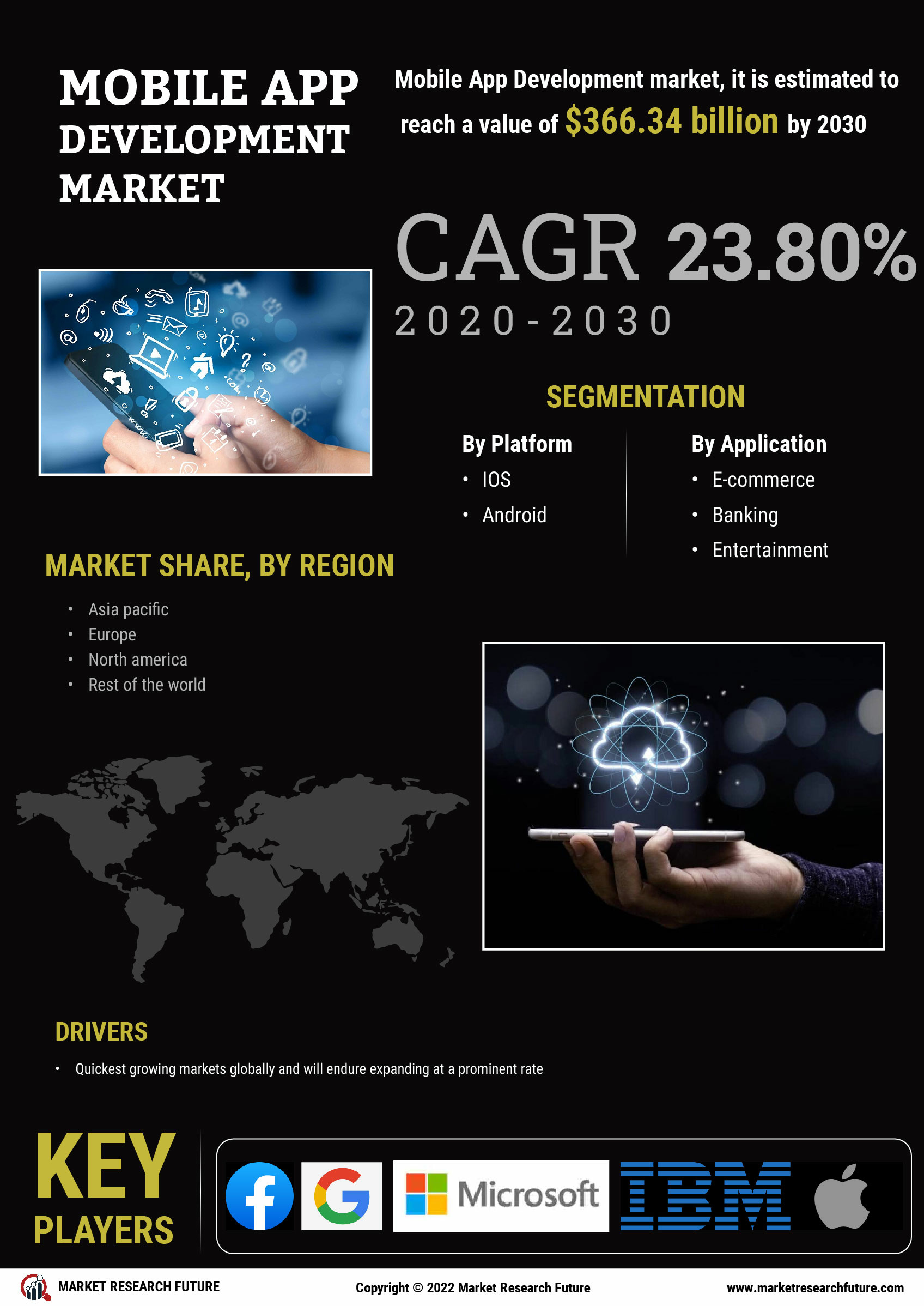
  • Effectively monetizing a mobile app is crucial for its long-term sustainability. This article explores various monetization strategies, including advertising, subscriptions, and in-app purchases, to help developers choose the best approach. The choice of monetization strategy can significantly impact an app's profitability and user experience. Understanding the strengths and weaknesses of each approach is essential for developers aiming to maximize revenue while maintaining user satisfaction.

    Monetization strategies can be broadly categorized into ad-supported, paid, and freemium models. Ad-supported apps generate revenue through advertisements displayed within the app. This model is popular among developers because it allows users to access the app for free, thereby attracting a larger audience. However, excessive ads can lead to a poor user experience, causing users to abandon the app. Striking a balance between ad placement and user experience is critical for success.

    Paid apps require users to pay upfront to download the app. This model can be effective for apps that offer unique features or services that justify the cost. However, the challenge lies in convincing users to make the initial purchase. Marketing strategies, such as offering free trials or limited-time discounts, can help increase downloads. Additionally, maintaining high-quality content and regular updates is essential to retain users and encourage positive reviews.

    The freemium model, which offers basic features for free and charges for premium content, has gained popularity due to its ability to attract a larger user base. This model allows users to experience the app without any financial commitment, increasing the likelihood of downloads. Once users are engaged, developers can encourage them to upgrade to a paid version or make in-app purchases for additional features or content. Successful examples of this model include apps like Spotify and Dropbox, which offer free tiers with the option to upgrade for enhanced functionality.

    In-app purchases are another effective monetization strategy, allowing users to buy virtual goods or additional features within the app. This model is particularly popular in gaming apps, where users can purchase in-game currency, extra lives, or cosmetic items. However, developers must ensure that in-app purchases do not create a pay-to-win environment, as this can alienate users and lead to negative feedback. Balancing the value of in-app purchases with the overall user experience is crucial for maintaining user satisfaction.

    Successful monetization examples include Spotify, which uses a freemium model to attract users and convert them to paid subscribers. The app offers a free version with ads and limited features, while the premium version provides an ad-free experience and additional functionalities. Candy Crush, on the other hand, generates revenue through in-app purchases, offering players the option to buy extra lives and boosts to enhance their gaming experience.

    Selecting the right monetization strategy is essential for maximizing revenue while maintaining a positive user experience. Developers should carefully consider their target audience, app functionality, and market trends when choosing an approach. Additionally, monitoring user feedback and adapting the monetization strategy as needed can help ensure long-term success.

    In conclusion, monetization strategies play a vital role in the sustainability of mobile apps. By understanding the strengths and weaknesses of various approaches, developers can choose the best fit for their applications. A well-planned monetization strategy not only drives revenue but also enhances user engagement and satisfaction. As the mobile app landscape continues to evolve, staying informed about industry trends and user preferences will be crucial for developers looking to succeed in this competitive market.@https://www.marketresearchfuture.com/reports/mobile-app-development-market-1752
    Effectively monetizing a mobile app is crucial for its long-term sustainability. This article explores various monetization strategies, including advertising, subscriptions, and in-app purchases, to help developers choose the best approach. The choice of monetization strategy can significantly impact an app's profitability and user experience. Understanding the strengths and weaknesses of each approach is essential for developers aiming to maximize revenue while maintaining user satisfaction. Monetization strategies can be broadly categorized into ad-supported, paid, and freemium models. Ad-supported apps generate revenue through advertisements displayed within the app. This model is popular among developers because it allows users to access the app for free, thereby attracting a larger audience. However, excessive ads can lead to a poor user experience, causing users to abandon the app. Striking a balance between ad placement and user experience is critical for success. Paid apps require users to pay upfront to download the app. This model can be effective for apps that offer unique features or services that justify the cost. However, the challenge lies in convincing users to make the initial purchase. Marketing strategies, such as offering free trials or limited-time discounts, can help increase downloads. Additionally, maintaining high-quality content and regular updates is essential to retain users and encourage positive reviews. The freemium model, which offers basic features for free and charges for premium content, has gained popularity due to its ability to attract a larger user base. This model allows users to experience the app without any financial commitment, increasing the likelihood of downloads. Once users are engaged, developers can encourage them to upgrade to a paid version or make in-app purchases for additional features or content. Successful examples of this model include apps like Spotify and Dropbox, which offer free tiers with the option to upgrade for enhanced functionality. In-app purchases are another effective monetization strategy, allowing users to buy virtual goods or additional features within the app. This model is particularly popular in gaming apps, where users can purchase in-game currency, extra lives, or cosmetic items. However, developers must ensure that in-app purchases do not create a pay-to-win environment, as this can alienate users and lead to negative feedback. Balancing the value of in-app purchases with the overall user experience is crucial for maintaining user satisfaction. Successful monetization examples include Spotify, which uses a freemium model to attract users and convert them to paid subscribers. The app offers a free version with ads and limited features, while the premium version provides an ad-free experience and additional functionalities. Candy Crush, on the other hand, generates revenue through in-app purchases, offering players the option to buy extra lives and boosts to enhance their gaming experience. Selecting the right monetization strategy is essential for maximizing revenue while maintaining a positive user experience. Developers should carefully consider their target audience, app functionality, and market trends when choosing an approach. Additionally, monitoring user feedback and adapting the monetization strategy as needed can help ensure long-term success. In conclusion, monetization strategies play a vital role in the sustainability of mobile apps. By understanding the strengths and weaknesses of various approaches, developers can choose the best fit for their applications. A well-planned monetization strategy not only drives revenue but also enhances user engagement and satisfaction. As the mobile app landscape continues to evolve, staying informed about industry trends and user preferences will be crucial for developers looking to succeed in this competitive market.@https://www.marketresearchfuture.com/reports/mobile-app-development-market-1752
    WWW.MARKETRESEARCHFUTURE.COM
    Mobile App Development Market Size, Trends, Global Report - 2035
    Mobile App Development Market is Estimated to Grow USD 988.5 Billion By 2035, Reaching at a CAGR of 23.80% During the Forecast Period 2025 - 2035 | Advances Propels Market
    👁️ 0 | 💰 Rs 0.00
    0 Commenti 0 condivisioni
    0 Anteprima
Pagine in Evidenza
Freecave – Social Media Platform https://freecave.net