



• Marine VFD Market Growth Driven by Electrification and Fuel Efficiency
    https://www.marketresearchfuture.com/reports/marine-vfd-market-7936
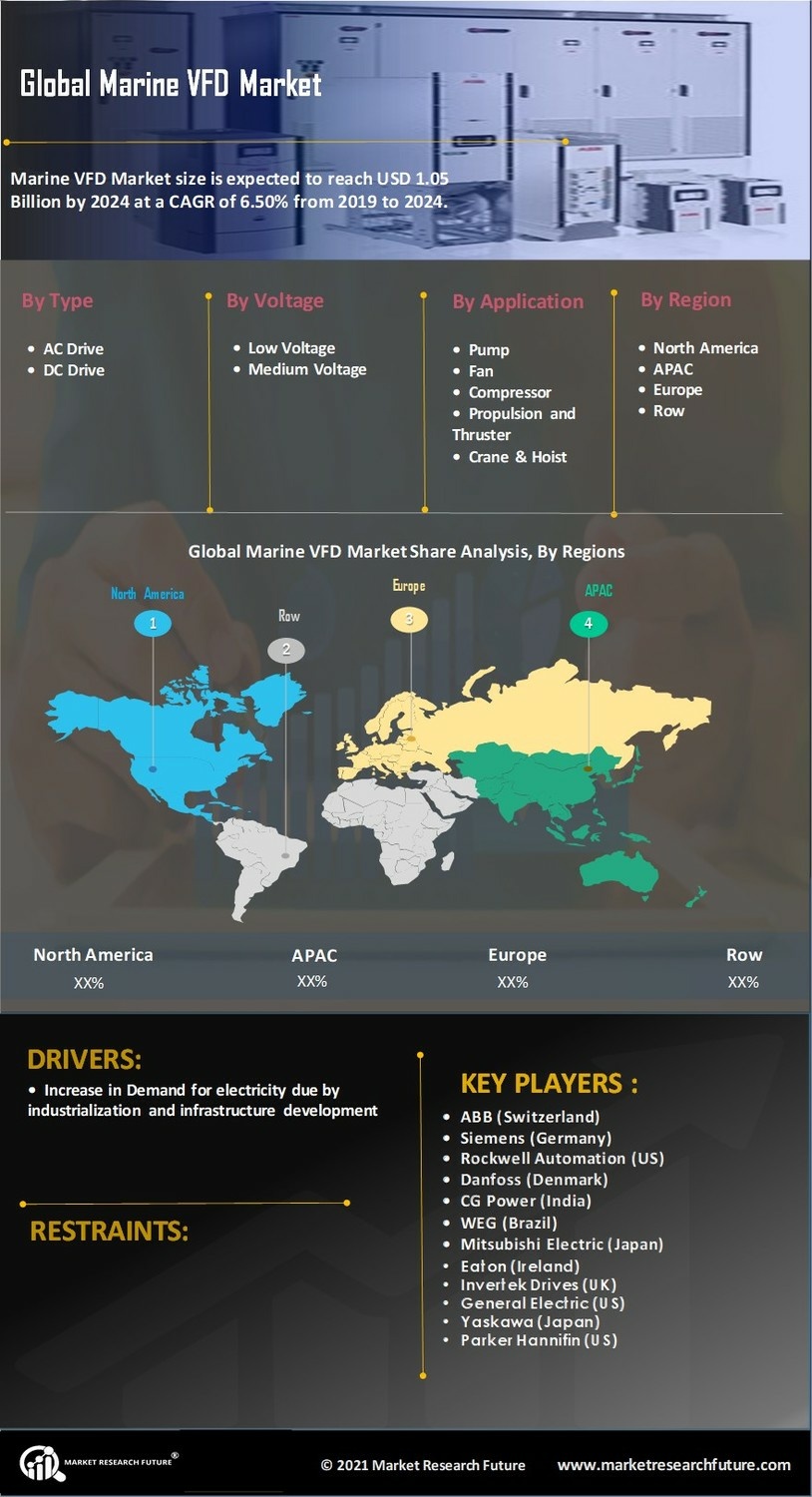
    As per Market Research Future, the Marine VFD Market Growth is gaining strong momentum as the global maritime industry increasingly focuses on energy efficiency, operational optimization, and emission reduction. Marine Variable Frequency Drives (VFDs) play a crucial role in controlling motor speed and torque, enabling vessels to operate systems such as propulsion, pumps, compressors, and fans with improved efficiency and reliability. With rising fuel costs and stringent environmental regulations, shipowners and operators are rapidly adopting VFD technology to enhance performance while minimizing operating expenses.

    One of the key drivers of market growth is the push toward decarbonization in the marine sector. International regulations aimed at reducing greenhouse gas emissions have compelled shipping companies to invest in energy-efficient technologies. Marine VFDs help optimize power consumption by adjusting motor speeds to actual load requirements, significantly reducing fuel usage and emissions. This makes them an essential component in both commercial and naval vessels seeking compliance with global environmental standards.

    Technological advancements are also contributing to the expansion of the marine VFD market. Modern VFDs are designed to withstand harsh marine environments, including high humidity, vibration, and temperature fluctuations. Enhanced digital control systems, integration with ship automation platforms, and predictive maintenance capabilities have improved reliability and reduced downtime. These innovations are encouraging broader adoption across different vessel types, including cargo ships, tankers, offshore support vessels, and cruise ships.

    Another important growth factor is the increasing use of electric and hybrid propulsion systems. As vessels transition away from conventional mechanical propulsion, the demand for efficient power management solutions is rising. Marine VFDs are essential for controlling electric motors in propulsion and auxiliary systems, ensuring smooth operation and optimal energy utilization. This trend is particularly strong in ferries, offshore vessels, and specialized ships operating in emission-controlled zones.

    Regional growth patterns indicate strong demand from Asia-Pacific, Europe, and North America. Asia-Pacific dominates due to its large shipbuilding industry and expanding maritime trade. Europe is seeing increased adoption driven by strict emission norms and sustainability initiatives, while North America benefits from technological innovation and modernization of existing fleets. Together, these regions are shaping a competitive and innovation-driven market landscape.

    Despite strong growth prospects, challenges such as high initial installation costs and the need for skilled technical expertise may limit adoption among smaller operators. However, long-term savings in fuel consumption and maintenance continue to outweigh these concerns. As awareness of lifecycle cost benefits increases, the marine VFD market is expected to maintain steady growth in the coming years.

    FAQs

    What is driving the growth of the marine VFD market?
    The main drivers include energy efficiency requirements, emission regulations, rising fuel costs, and increased adoption of electric propulsion systems.

    Which vessels commonly use marine VFDs?
    Marine VFDs are widely used in cargo ships, tankers, offshore vessels, ferries, naval ships, and cruise liners.

    How do marine VFDs help reduce operating costs?
    They optimize motor performance, reduce fuel consumption, minimize mechanical wear, and lower maintenance expenses over time.
    Marine VFD Market Growth Driven by Electrification and Fuel Efficiency https://www.marketresearchfuture.com/reports/marine-vfd-market-7936 As per Market Research Future, the Marine VFD Market Growth is gaining strong momentum as the global maritime industry increasingly focuses on energy efficiency, operational optimization, and emission reduction. Marine Variable Frequency Drives (VFDs) play a crucial role in controlling motor speed and torque, enabling vessels to operate systems such as propulsion, pumps, compressors, and fans with improved efficiency and reliability. With rising fuel costs and stringent environmental regulations, shipowners and operators are rapidly adopting VFD technology to enhance performance while minimizing operating expenses. One of the key drivers of market growth is the push toward decarbonization in the marine sector. International regulations aimed at reducing greenhouse gas emissions have compelled shipping companies to invest in energy-efficient technologies. Marine VFDs help optimize power consumption by adjusting motor speeds to actual load requirements, significantly reducing fuel usage and emissions. This makes them an essential component in both commercial and naval vessels seeking compliance with global environmental standards. Technological advancements are also contributing to the expansion of the marine VFD market. Modern VFDs are designed to withstand harsh marine environments, including high humidity, vibration, and temperature fluctuations. Enhanced digital control systems, integration with ship automation platforms, and predictive maintenance capabilities have improved reliability and reduced downtime. These innovations are encouraging broader adoption across different vessel types, including cargo ships, tankers, offshore support vessels, and cruise ships. Another important growth factor is the increasing use of electric and hybrid propulsion systems. As vessels transition away from conventional mechanical propulsion, the demand for efficient power management solutions is rising. Marine VFDs are essential for controlling electric motors in propulsion and auxiliary systems, ensuring smooth operation and optimal energy utilization. This trend is particularly strong in ferries, offshore vessels, and specialized ships operating in emission-controlled zones. Regional growth patterns indicate strong demand from Asia-Pacific, Europe, and North America. Asia-Pacific dominates due to its large shipbuilding industry and expanding maritime trade. Europe is seeing increased adoption driven by strict emission norms and sustainability initiatives, while North America benefits from technological innovation and modernization of existing fleets. Together, these regions are shaping a competitive and innovation-driven market landscape. Despite strong growth prospects, challenges such as high initial installation costs and the need for skilled technical expertise may limit adoption among smaller operators. However, long-term savings in fuel consumption and maintenance continue to outweigh these concerns. As awareness of lifecycle cost benefits increases, the marine VFD market is expected to maintain steady growth in the coming years. FAQs What is driving the growth of the marine VFD market? The main drivers include energy efficiency requirements, emission regulations, rising fuel costs, and increased adoption of electric propulsion systems. Which vessels commonly use marine VFDs? Marine VFDs are widely used in cargo ships, tankers, offshore vessels, ferries, naval ships, and cruise liners. How do marine VFDs help reduce operating costs? They optimize motor performance, reduce fuel consumption, minimize mechanical wear, and lower maintenance expenses over time.
    WWW.MARKETRESEARCHFUTURE.COM
    Marine VFD Market Size, Share, Growth - Industry Report 2035
    Marine VFD Market is projected to register a CAGR of 7.48% to reach USD 2,803.4 million by the end of 2035, Global Marine VFD Market Type, Application | Marine VFD Industry.
    πŸ‘οΈ 0 | πŸ’° Rs 0.00
    0 Reacties 0 aandelen
    0 voorbeeld

  • ASEAN Energy Transition Market Growth Driven by Policy Support
    https://www.marketresearchfuture.com/reports/asean-energy-transition-market-16199
    As per Market Research Future, the ASEAN Energy Transition Market Growth
    reflects the region’s accelerating shift toward sustainable, low-carbon energy systems driven by economic expansion, rising electricity demand, and climate commitments. ASEAN countries are experiencing rapid urbanization and industrialization, which is significantly increasing energy consumption. To balance growth with sustainability, governments are actively promoting cleaner energy sources, efficiency measures, and modern power infrastructure.

    The growth of the ASEAN energy transition market is strongly supported by policy frameworks encouraging renewable energy adoption. National targets for solar, wind, hydropower, and biomass capacity are pushing utilities and private players to invest in diversified energy portfolios. At the same time, declining costs of renewable technologies are improving project viability, attracting foreign direct investment and regional collaboration. Grid modernization and digital energy management systems are further enabling large-scale renewable deployment.

    Another key contributor to market growth is the electrification of transport and industry. Electric vehicles, charging infrastructure, and industrial electrification initiatives are expanding across ASEAN economies, increasing demand for clean power. Energy storage solutions, including batteries and pumped hydro, are also gaining traction to address intermittency challenges. Together, these factors are creating a strong foundation for sustained market expansion.

    The private sector plays a vital role in accelerating growth through public–private partnerships, power purchase agreements, and innovative financing models. Multilateral development banks and green funds are supporting large infrastructure projects, while local startups are introducing smart energy solutions. As awareness of climate risks grows, corporate sustainability goals are aligning with national energy transition strategies, reinforcing market momentum.

    Looking ahead, ASEAN energy transition market growth is expected to remain robust as countries strengthen cross-border power trade, enhance regulatory clarity, and invest in workforce skills. The transition not only supports environmental objectives but also improves energy security, reduces import dependence, and creates long-term economic opportunities across the region.

    FAQs

    What is driving growth in the ASEAN energy transition market?
    Growth is driven by rising energy demand, supportive government policies, falling renewable energy costs, and increased private investment.

    Which technologies are contributing most to market growth?
    Solar, wind, energy storage, smart grids, and electric mobility technologies are major contributors.

    How does energy transition growth benefit ASEAN economies?
    It enhances energy security, reduces emissions, attracts investment, and supports sustainable economic development.
    ASEAN Energy Transition Market Growth Driven by Policy Support https://www.marketresearchfuture.com/reports/asean-energy-transition-market-16199 As per Market Research Future, the ASEAN Energy Transition Market Growth reflects the region’s accelerating shift toward sustainable, low-carbon energy systems driven by economic expansion, rising electricity demand, and climate commitments. ASEAN countries are experiencing rapid urbanization and industrialization, which is significantly increasing energy consumption. To balance growth with sustainability, governments are actively promoting cleaner energy sources, efficiency measures, and modern power infrastructure. The growth of the ASEAN energy transition market is strongly supported by policy frameworks encouraging renewable energy adoption. National targets for solar, wind, hydropower, and biomass capacity are pushing utilities and private players to invest in diversified energy portfolios. At the same time, declining costs of renewable technologies are improving project viability, attracting foreign direct investment and regional collaboration. Grid modernization and digital energy management systems are further enabling large-scale renewable deployment. Another key contributor to market growth is the electrification of transport and industry. Electric vehicles, charging infrastructure, and industrial electrification initiatives are expanding across ASEAN economies, increasing demand for clean power. Energy storage solutions, including batteries and pumped hydro, are also gaining traction to address intermittency challenges. Together, these factors are creating a strong foundation for sustained market expansion. The private sector plays a vital role in accelerating growth through public–private partnerships, power purchase agreements, and innovative financing models. Multilateral development banks and green funds are supporting large infrastructure projects, while local startups are introducing smart energy solutions. As awareness of climate risks grows, corporate sustainability goals are aligning with national energy transition strategies, reinforcing market momentum. Looking ahead, ASEAN energy transition market growth is expected to remain robust as countries strengthen cross-border power trade, enhance regulatory clarity, and invest in workforce skills. The transition not only supports environmental objectives but also improves energy security, reduces import dependence, and creates long-term economic opportunities across the region. FAQs What is driving growth in the ASEAN energy transition market? Growth is driven by rising energy demand, supportive government policies, falling renewable energy costs, and increased private investment. Which technologies are contributing most to market growth? Solar, wind, energy storage, smart grids, and electric mobility technologies are major contributors. How does energy transition growth benefit ASEAN economies? It enhances energy security, reduces emissions, attracts investment, and supports sustainable economic development.
    WWW.MARKETRESEARCHFUTURE.COM
    ASEAN Energy Transition Market Size, Share Report 2035
    ASEAN Energy Transition Market is Projected to grow at a CAGR of 8.80% by 2035, ASEAN Energy Transition Industry Analysis by Type, Application, Size, Share, Growth, Trends | ASEAN Energy Transition Market Overview.
    Like
    1
    πŸ‘οΈ 0 | πŸ’° Rs 0.00
    0 Reacties 0 aandelen
    0 voorbeeld

  • #pakistan #DelicateVibes
    #debet #Raha #together
    #pakistan #DelicateVibes #debet #Raha #together
    Like
    2
    πŸ‘οΈ 0 | πŸ’° Rs 0.00
    0 Reacties 0 aandelen
    0 voorbeeld
  • Subsea Production Systems Supporting Offshore Operations
    https://www.marketresearchfuture.com/reports/subsea-manifolds-market-3138
    As per Market Research Future, subsea production systems
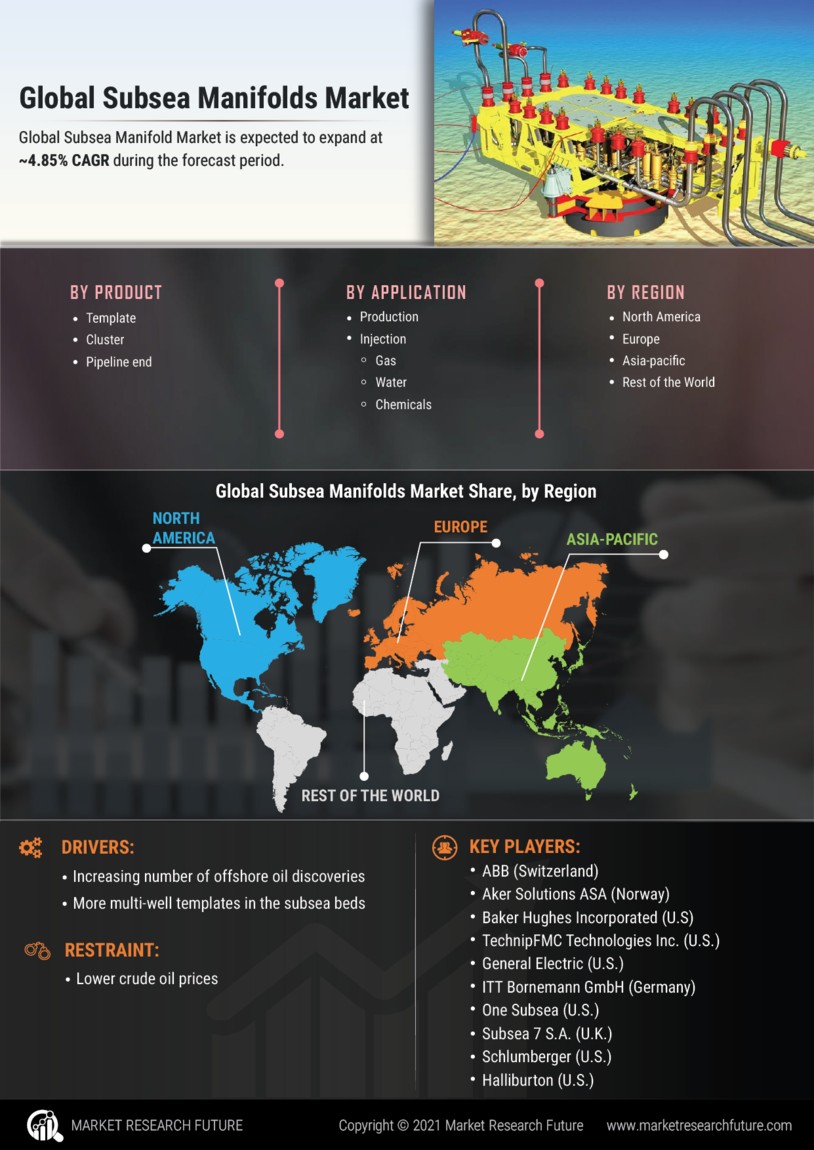
    play a critical role in enabling efficient oil and gas extraction from offshore fields, particularly in deepwater and ultra-deepwater environments. These systems are designed to operate on the seabed and manage the flow of hydrocarbons from wells to processing facilities, either on offshore platforms or onshore installations. With increasing exploration activities in challenging offshore locations, subsea production systems have become an essential component of modern energy infrastructure.

    Subsea production systems consist of several integrated elements, including subsea trees, manifolds, control systems, umbilicals, flowlines, and risers. Together, these components regulate pressure, control production rates, and ensure safe transportation of oil and gas. Subsea trees, often referred to as “Christmas trees,” are installed on wellheads to control flow and monitor well conditions. Manifolds act as gathering points, combining production from multiple wells into a single flowline, which improves operational efficiency and reduces infrastructure costs.

    One of the key drivers behind the adoption of subsea production systems is the shift toward deepwater exploration. As shallow-water reserves mature, energy companies are increasingly focusing on deeper reservoirs that require advanced subsea solutions. These systems allow operators to develop fields that would otherwise be economically or technically unfeasible using traditional platform-based approaches. In addition, subsea tieback solutions enable existing infrastructure to be utilized more effectively by connecting new wells to established facilities.

    Technological advancements have significantly enhanced the reliability and performance of subsea production systems. Innovations in digital monitoring, remote operation, and automation have improved real-time data collection and predictive maintenance. Advanced materials and coatings have increased resistance to corrosion and extreme pressures, extending equipment lifespan and reducing downtime. Electrification of subsea systems is also gaining attention, as it supports lower emissions and improved energy efficiency.

    Environmental and safety considerations are another important aspect shaping the development of subsea production systems. By placing equipment on the seabed, surface installations are minimized, reducing visual impact and exposure to harsh weather conditions. Enhanced monitoring capabilities help detect leaks or pressure anomalies early, supporting safer operations and environmental protection. These factors are increasingly important as regulatory scrutiny and sustainability expectations continue to rise.

    Regionally, subsea production systems are widely deployed in offshore regions such as the North Sea, the Gulf of Mexico, offshore Brazil, and West Africa. Emerging offshore developments in Asia-Pacific are also contributing to market expansion, driven by rising energy demand and ongoing investments in offshore exploration.

    Overall, subsea production systems are a cornerstone of offshore oil and gas development. Their ability to support complex field architectures, improve recovery rates, and enhance safety makes them indispensable for meeting global energy needs in challenging offshore environments.

    FAQs

    What are subsea production systems used for?
    They are used to control, process, and transport oil and gas from offshore wells located on the seabed to processing facilities.

    Why are subsea production systems important for deepwater fields?
    They enable efficient production in deep and ultra-deep waters where surface platforms may be impractical or too costly.

    What technologies are improving subsea production systems?
    Digital monitoring, automation, advanced materials, and subsea electrification are key technologies enhancing performance and reliability.
    Subsea Production Systems Supporting Offshore Operations https://www.marketresearchfuture.com/reports/subsea-manifolds-market-3138 As per Market Research Future, subsea production systems play a critical role in enabling efficient oil and gas extraction from offshore fields, particularly in deepwater and ultra-deepwater environments. These systems are designed to operate on the seabed and manage the flow of hydrocarbons from wells to processing facilities, either on offshore platforms or onshore installations. With increasing exploration activities in challenging offshore locations, subsea production systems have become an essential component of modern energy infrastructure. Subsea production systems consist of several integrated elements, including subsea trees, manifolds, control systems, umbilicals, flowlines, and risers. Together, these components regulate pressure, control production rates, and ensure safe transportation of oil and gas. Subsea trees, often referred to as “Christmas trees,” are installed on wellheads to control flow and monitor well conditions. Manifolds act as gathering points, combining production from multiple wells into a single flowline, which improves operational efficiency and reduces infrastructure costs. One of the key drivers behind the adoption of subsea production systems is the shift toward deepwater exploration. As shallow-water reserves mature, energy companies are increasingly focusing on deeper reservoirs that require advanced subsea solutions. These systems allow operators to develop fields that would otherwise be economically or technically unfeasible using traditional platform-based approaches. In addition, subsea tieback solutions enable existing infrastructure to be utilized more effectively by connecting new wells to established facilities. Technological advancements have significantly enhanced the reliability and performance of subsea production systems. Innovations in digital monitoring, remote operation, and automation have improved real-time data collection and predictive maintenance. Advanced materials and coatings have increased resistance to corrosion and extreme pressures, extending equipment lifespan and reducing downtime. Electrification of subsea systems is also gaining attention, as it supports lower emissions and improved energy efficiency. Environmental and safety considerations are another important aspect shaping the development of subsea production systems. By placing equipment on the seabed, surface installations are minimized, reducing visual impact and exposure to harsh weather conditions. Enhanced monitoring capabilities help detect leaks or pressure anomalies early, supporting safer operations and environmental protection. These factors are increasingly important as regulatory scrutiny and sustainability expectations continue to rise. Regionally, subsea production systems are widely deployed in offshore regions such as the North Sea, the Gulf of Mexico, offshore Brazil, and West Africa. Emerging offshore developments in Asia-Pacific are also contributing to market expansion, driven by rising energy demand and ongoing investments in offshore exploration. Overall, subsea production systems are a cornerstone of offshore oil and gas development. Their ability to support complex field architectures, improve recovery rates, and enhance safety makes them indispensable for meeting global energy needs in challenging offshore environments. FAQs What are subsea production systems used for? They are used to control, process, and transport oil and gas from offshore wells located on the seabed to processing facilities. Why are subsea production systems important for deepwater fields? They enable efficient production in deep and ultra-deep waters where surface platforms may be impractical or too costly. What technologies are improving subsea production systems? Digital monitoring, automation, advanced materials, and subsea electrification are key technologies enhancing performance and reliability.
    WWW.MARKETRESEARCHFUTURE.COM
    Subsea Manifolds Market Size, Share, Growth Report 2035
    Subsea Manifolds Market is projected to grow at a 4.8% CAGR from 2025 to 2035, driven by technological advancements, increased offshore exploration, and rising energy demands.
    πŸ‘οΈ 0 | πŸ’° Rs 0.00
    0 Reacties 0 aandelen
    0 voorbeeld
  • #Jokes Let the Jokes in #comments We #need your Jokes Lets earn #together make #money
    #Jokes Let the Jokes in #comments We #need your Jokes Lets earn #together make #money
    Like
    1
    πŸ‘οΈ 0 | πŸ’° Rs 0.00
    0 Reacties 0 aandelen
    0 voorbeeld
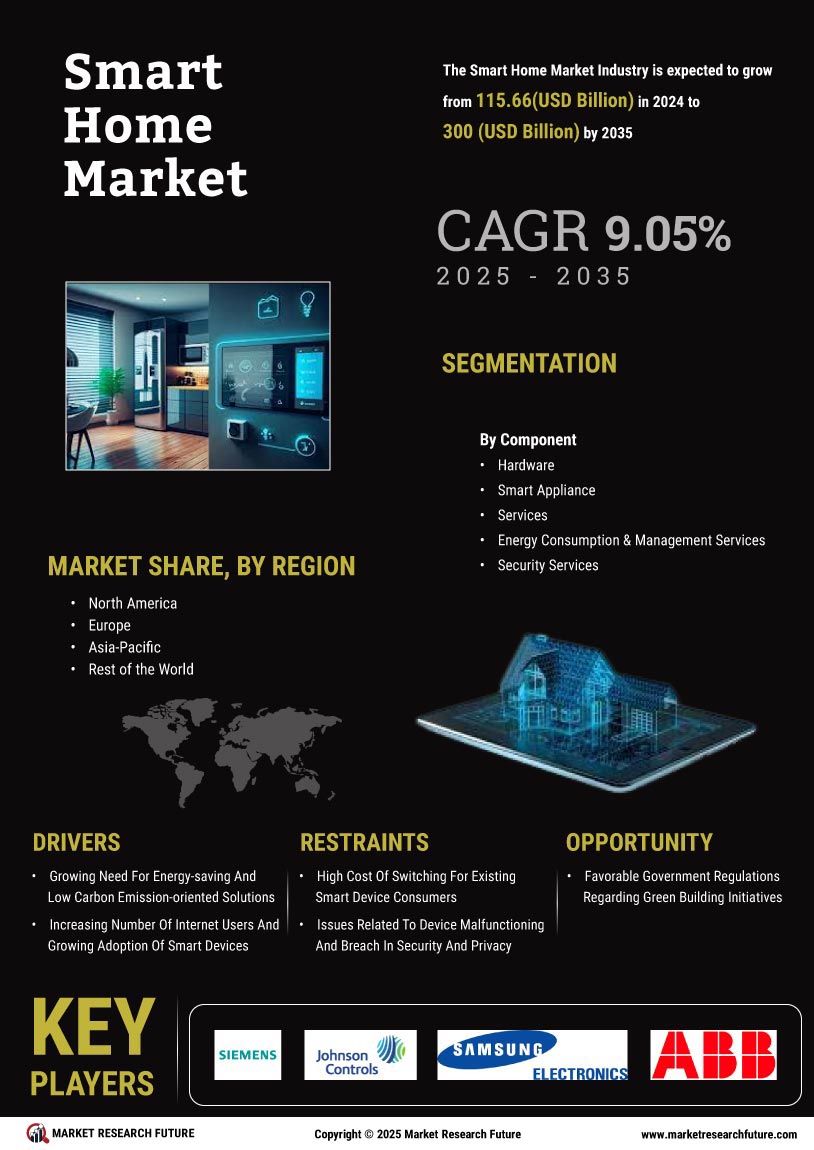
  • The integration of IoT in smart homes has revolutionized the way we interact with our living spaces. The Internet of Things (IoT) refers to the network of interconnected devices that communicate and share data with each other. In a smart home, IoT technology allows devices to work together seamlessly, creating a cohesive and automated environment.

    One of the most significant advantages of IoT in smart homes is the ability to monitor and control devices remotely. Homeowners can use their smartphones or tablets to manage various systems, such as lighting, heating, and security. For instance, a smart thermostat can be adjusted from anywhere, allowing users to ensure their home is at a comfortable temperature before they arrive. This level of control enhances convenience and improves the overall living experience.

    IoT technology also contributes to energy efficiency in smart homes. Smart devices can collect data on usage patterns and make adjustments to optimize energy consumption. For example, smart lighting systems can automatically turn off lights in unoccupied rooms, while smart thermostats can learn user preferences and adjust settings accordingly. This not only helps reduce energy bills but also supports sustainability efforts by minimizing waste.

    Security is another critical aspect where IoT plays a significant role. Smart security systems, equipped with cameras, motion detectors, and alarms, provide real-time monitoring and alerts. These devices can communicate with one another, creating a comprehensive security network that keeps homeowners informed of any unusual activity. For example, if a motion sensor detects movement outside the home, it can trigger the security camera to start recording and send an alert to the homeowner's smartphone.

    The integration of IoT also enables the creation of automation routines, allowing devices to work together to perform tasks. For instance, a homeowner can set up a routine where the lights turn on, the thermostat adjusts, and the coffee maker starts brewing when they arrive home. These automation routines enhance convenience and streamline daily activities, making life easier for busy individuals and families.

    Moreover, IoT technology can improve the quality of life for individuals with disabilities or mobility challenges. Smart devices can be programmed to perform tasks such as opening doors, adjusting lights, or controlling appliances, making daily activities more accessible. This level of automation empowers individuals to maintain their independence and enhances their overall quality of life.

    Despite the many advantages of IoT in smart homes, several challenges remain. One of the primary concerns is the security of connected devices. As more devices become interconnected, the risk of cyber threats increases. Manufacturers must prioritize robust security measures to protect users' data and privacy. This includes implementing encryption, regular software updates, and user education on best practices for securing smart home devices.

    Interoperability is another challenge facing the IoT landscape. With numerous manufacturers producing smart devices, ensuring compatibility among different brands can be difficult. Consumers may find themselves with devices that do not communicate effectively with one another, leading to frustration and a fragmented user experience. To address this issue, industry stakeholders must work towards developing standardized protocols that facilitate seamless communication between devices.@https://www.marketresearchfuture.com/reports/smart-home-market-974
    The integration of IoT in smart homes has revolutionized the way we interact with our living spaces. The Internet of Things (IoT) refers to the network of interconnected devices that communicate and share data with each other. In a smart home, IoT technology allows devices to work together seamlessly, creating a cohesive and automated environment. One of the most significant advantages of IoT in smart homes is the ability to monitor and control devices remotely. Homeowners can use their smartphones or tablets to manage various systems, such as lighting, heating, and security. For instance, a smart thermostat can be adjusted from anywhere, allowing users to ensure their home is at a comfortable temperature before they arrive. This level of control enhances convenience and improves the overall living experience. IoT technology also contributes to energy efficiency in smart homes. Smart devices can collect data on usage patterns and make adjustments to optimize energy consumption. For example, smart lighting systems can automatically turn off lights in unoccupied rooms, while smart thermostats can learn user preferences and adjust settings accordingly. This not only helps reduce energy bills but also supports sustainability efforts by minimizing waste. Security is another critical aspect where IoT plays a significant role. Smart security systems, equipped with cameras, motion detectors, and alarms, provide real-time monitoring and alerts. These devices can communicate with one another, creating a comprehensive security network that keeps homeowners informed of any unusual activity. For example, if a motion sensor detects movement outside the home, it can trigger the security camera to start recording and send an alert to the homeowner's smartphone. The integration of IoT also enables the creation of automation routines, allowing devices to work together to perform tasks. For instance, a homeowner can set up a routine where the lights turn on, the thermostat adjusts, and the coffee maker starts brewing when they arrive home. These automation routines enhance convenience and streamline daily activities, making life easier for busy individuals and families. Moreover, IoT technology can improve the quality of life for individuals with disabilities or mobility challenges. Smart devices can be programmed to perform tasks such as opening doors, adjusting lights, or controlling appliances, making daily activities more accessible. This level of automation empowers individuals to maintain their independence and enhances their overall quality of life. Despite the many advantages of IoT in smart homes, several challenges remain. One of the primary concerns is the security of connected devices. As more devices become interconnected, the risk of cyber threats increases. Manufacturers must prioritize robust security measures to protect users' data and privacy. This includes implementing encryption, regular software updates, and user education on best practices for securing smart home devices. Interoperability is another challenge facing the IoT landscape. With numerous manufacturers producing smart devices, ensuring compatibility among different brands can be difficult. Consumers may find themselves with devices that do not communicate effectively with one another, leading to frustration and a fragmented user experience. To address this issue, industry stakeholders must work towards developing standardized protocols that facilitate seamless communication between devices.@https://www.marketresearchfuture.com/reports/smart-home-market-974
    WWW.MARKETRESEARCHFUTURE.COM
    Smart Home Market Size, Trends | Industry Report - 2035
    The Global Smart Home Market size is projected to grow USD 387.22 Billion by 2035, exhibiting a CAGR of 10.69 during the forecast period 2025 - 2035.
    πŸ‘οΈ 0 | πŸ’° Rs 0.00
    0 Reacties 0 aandelen
    0 voorbeeld

  • Hey. Follow me. I'll follow you back. Let's earn together
    Hey. Follow me. I'll follow you back. Let's earn together
    Like
    Yay
    2
    πŸ‘οΈ 0 | πŸ’° Rs 0.00
    0 Reacties 0 aandelen
    0 voorbeeld
  • Let's grow together. Let's support each other to earn some money. Follow me and I'll follow you back. View my posts and I'll view your posts.
    Let's grow together. Let's support each other to earn some money. Follow me and I'll follow you back. View my posts and I'll view your posts.
    Like
    1
    πŸ‘οΈ 0 | πŸ’° Rs 0.00
    0 Reacties 0 aandelen
    0 voorbeeld
  • πŸ”₯ EARN MONEY WITH JUST YOUR PHONE! πŸ”₯

    Who says earning online is hard? πŸ€”
    I’m using FreeCave App and getting rewards by doing simple tasks like:

    βœ… Liking posts
    βœ… Following users
    βœ… Watching short videos
    βœ… Daily check-ins

    No investment ❌
    No skills needed ❌
    Just your mobile πŸ“±

    πŸ’Έ Best part? You can withdraw your earnings easily!

    πŸ‘‰ If you want to start earning today, download FreeCave now
    ❀️ Like this post
    πŸ’¬ Comment “EARN” if you want my referral/tips
    πŸ” Share with friends who love easy money

    Let’s earn together πŸ’ͺπŸ”₯
    πŸ”₯ EARN MONEY WITH JUST YOUR PHONE! πŸ”₯ Who says earning online is hard? πŸ€” I’m using FreeCave App and getting rewards by doing simple tasks like: βœ… Liking posts βœ… Following users βœ… Watching short videos βœ… Daily check-ins No investment ❌ No skills needed ❌ Just your mobile πŸ“± πŸ’Έ Best part? You can withdraw your earnings easily! πŸ‘‰ If you want to start earning today, download FreeCave now ❀️ Like this post πŸ’¬ Comment “EARN” if you want my referral/tips πŸ” Share with friends who love easy money Let’s earn together πŸ’ͺπŸ”₯
    πŸ‘οΈ 0 | πŸ’° Rs 0.00
    0 Reacties 0 aandelen
    0 voorbeeld
Freecave – Social Media Platform https://freecave.net