



• Polyethylene Glycol Diglycidyl Ether (PEGDGE) Market to Reach USD 67.2 Million by 2032, Growing at 5.4% CAGR

    Global Polyethylene Glycol Diglycidyl Ether (PEGDGE) market was valued at USD 43.8 million in 2024 and is projected to reach USD 67.2 million by 2032, registering a steady CAGR of 5.4% during the forecast period.

    Polyethylene Glycol Diglycidyl Ether (PEGDGE), a vital reactive diluent and crosslinking agent characterized by its epoxy functional groups and hydrophilic polyethylene glycol chain, has transitioned from specialty chemical status to a fundamental component in advanced material formulations. Its unique properties—including excellent hydrophilicity, low viscosity, and high reactivity—make it an indispensable modifier for epoxy resins, textile finishes, and adhesive systems. Unlike conventional epoxies, PEGDGE's water-solubility and flexibility facilitate its integration into aqueous-based industrial processes and enhance final product performance.

    Get Full Report Here: https://www.24chemicalresearch.com/reports/263315/global-polyethylene-glycol-diglycidyl-ether-forecast-market-2024-2030-969

    #ChemicalIndustry
    #PEGDGE
    #PolyethyleneGlycolDiglycidylEther
    #EpoxyChemicals
    #MarketResearch
    #MarketGrowth
    #IndustryAnalysis
    #MarketForecast
    #GlobalMarket

    Polyethylene Glycol Diglycidyl Ether (PEGDGE) Market to Reach USD 67.2 Million by 2032, Growing at 5.4% CAGR Global Polyethylene Glycol Diglycidyl Ether (PEGDGE) market was valued at USD 43.8 million in 2024 and is projected to reach USD 67.2 million by 2032, registering a steady CAGR of 5.4% during the forecast period. Polyethylene Glycol Diglycidyl Ether (PEGDGE), a vital reactive diluent and crosslinking agent characterized by its epoxy functional groups and hydrophilic polyethylene glycol chain, has transitioned from specialty chemical status to a fundamental component in advanced material formulations. Its unique properties—including excellent hydrophilicity, low viscosity, and high reactivity—make it an indispensable modifier for epoxy resins, textile finishes, and adhesive systems. Unlike conventional epoxies, PEGDGE's water-solubility and flexibility facilitate its integration into aqueous-based industrial processes and enhance final product performance. Get Full Report Here: https://www.24chemicalresearch.com/reports/263315/global-polyethylene-glycol-diglycidyl-ether-forecast-market-2024-2030-969 #ChemicalIndustry #PEGDGE #PolyethyleneGlycolDiglycidylEther #EpoxyChemicals #MarketResearch #MarketGrowth #IndustryAnalysis #MarketForecast #GlobalMarket
    WWW.24CHEMICALRESEARCH.COM
    Polyethylene Glycol Diglycidyl Ether (PEGDGE) Market, Global Outlook and Forecast 2026-2033
    Polyethylene Glycol Diglycidyl Ether Global Polyethylene Glycol Diglycidyl Ether (PEGDGE) market was valued at USD 120.5 million in 2024, projected to reach USD 210.7 million by 2032 at a 6.8% CAGR.
    👁️ 0 | 💰 Rs 0.00
    0 Comments 0 Shares
    0 Reviews

  • Global Worsted Fabric market was valued at USD million in 2023 and is projected to reach USD million by 2030, at a CAGR of % during the forecast period.

    USA market for Global Worsted Fabric market is estimated to increase from USD million in 2023 to reach USD million by 2030, at a CAGR during the forecast period of 2023 through 2030.

    The China market for Global Worsted Fabric market is estimated to increase from USD million in 2023 to reach USD million by 2030, at a CAGR during the forecast period of 2023 through 2030.

    The Europe market for Global Worsted Fabric market is estimated to increase from USD million in 2023 to reach USD million by 2030, at a CAGR during the forecast period of 2023 through 2030.

    Worsted fabric stands as a cornerstone of the textile industry, renowned for its smooth texture, durability, and sophisticated appearance. Unlike woolens, which use shorter, carded fibers, worsted yarn is made from long-staple fibers that are combed to be parallel before spinning, resulting in a finer, stronger, and smoother yarn. This meticulous process, which can be traced back centuries, yields a fabric that is less fuzzy, more resilient, and holds a sharp crease exceptionally well, making it the undisputed choice for high-quality tailored garments like business suits, blazers, and trousers. Its inherent breathability and ability to drape elegantly have cemented its status as a premium material in the global fashion and formalwear sectors.

    Get Full Report Here: https://www.24chemicalresearch.com/reports/262127/global-worsted-fabric-forecast-market-2024-2030-778
    Global Worsted Fabric market was valued at USD million in 2023 and is projected to reach USD million by 2030, at a CAGR of % during the forecast period. USA market for Global Worsted Fabric market is estimated to increase from USD million in 2023 to reach USD million by 2030, at a CAGR during the forecast period of 2023 through 2030. The China market for Global Worsted Fabric market is estimated to increase from USD million in 2023 to reach USD million by 2030, at a CAGR during the forecast period of 2023 through 2030. The Europe market for Global Worsted Fabric market is estimated to increase from USD million in 2023 to reach USD million by 2030, at a CAGR during the forecast period of 2023 through 2030. Worsted fabric stands as a cornerstone of the textile industry, renowned for its smooth texture, durability, and sophisticated appearance. Unlike woolens, which use shorter, carded fibers, worsted yarn is made from long-staple fibers that are combed to be parallel before spinning, resulting in a finer, stronger, and smoother yarn. This meticulous process, which can be traced back centuries, yields a fabric that is less fuzzy, more resilient, and holds a sharp crease exceptionally well, making it the undisputed choice for high-quality tailored garments like business suits, blazers, and trousers. Its inherent breathability and ability to drape elegantly have cemented its status as a premium material in the global fashion and formalwear sectors. Get Full Report Here: https://www.24chemicalresearch.com/reports/262127/global-worsted-fabric-forecast-market-2024-2030-778
    WWW.24CHEMICALRESEARCH.COM
    Worsted Fabric Market, Global Outlook and Forecast 2026-2033
    Worsted Fabric Global Worsted Fabric market was valued at USD 4.8B in 2024 & projected to reach USD 7.9B by 2032, at 5.8% CAGR.
    👁️ 0 | 💰 Rs 0.00
    0 Comments 0 Shares
    0 Reviews

  • EV and PHEV Market to Grow at a CAGR of 13.4% from 2026 to 2034 – Key Players to Watch
    According to a new report from Intel Market Research, Global EV and PHEV market was valued at USD 468.69 billion in 2026 and is projected to reach USD 1,224.70 billion by 2034, growing at a CAGR of 13.4% during the forecast period (2026-2034). This remarkable growth trajectory is fueled by tightening environmental regulations, technological advancements in battery systems, and expanding government support for electric mobility across key markets.

    Understanding EVs and PHEVs
    Electric Vehicles (EVs) represent the vanguard of zero-emission transportation, completely eliminating tailpipe emissions through their reliance on rechargeable battery systems. These vehicles have moved beyond niche status to become mainstream automotive options, thanks to their environmental benefits and decreasing total cost of ownership.

    Plug-in Hybrid Electric Vehicles (PHEVs) serve as a transitional technology, combining battery-electric propulsion with conventional internal combustion engines. This dual-power approach offers consumers flexibility, particularly in regions where charging infrastructure remains underdeveloped, effectively bridging the gap between traditional vehicles and full electrification.

    📥 Download Sample Report: https://www.intelmarketresearch.com/download-free-sample/35710/evphev-market
    EV and PHEV Market to Grow at a CAGR of 13.4% from 2026 to 2034 – Key Players to Watch According to a new report from Intel Market Research, Global EV and PHEV market was valued at USD 468.69 billion in 2026 and is projected to reach USD 1,224.70 billion by 2034, growing at a CAGR of 13.4% during the forecast period (2026-2034). This remarkable growth trajectory is fueled by tightening environmental regulations, technological advancements in battery systems, and expanding government support for electric mobility across key markets. Understanding EVs and PHEVs Electric Vehicles (EVs) represent the vanguard of zero-emission transportation, completely eliminating tailpipe emissions through their reliance on rechargeable battery systems. These vehicles have moved beyond niche status to become mainstream automotive options, thanks to their environmental benefits and decreasing total cost of ownership. Plug-in Hybrid Electric Vehicles (PHEVs) serve as a transitional technology, combining battery-electric propulsion with conventional internal combustion engines. This dual-power approach offers consumers flexibility, particularly in regions where charging infrastructure remains underdeveloped, effectively bridging the gap between traditional vehicles and full electrification. 📥 Download Sample Report: https://www.intelmarketresearch.com/download-free-sample/35710/evphev-market
    Download Free Sample : EV PHEV Market
    Free Sample Report Preview: EV and PHEV Market Growth Analysis, Dynamics, Key Players and Innovations, Outlook and Forecast 2026-2034
    👁️ 0 | 💰 Rs 0.00
    0 Comments 0 Shares
    0 Reviews

  • Ramdan Ka Dosra Jumma Mubarak Ho Jumma Special Clip 🤗🤲🌼🙌 Abdul Habib attari bayan status 2026 islami

    Ramdan Ka Dosra Jumma Mubarak Ho Jumma Special Clip 🤗🤲🌼🙌 Abdul Habib attari bayan status 2026 islami
    👁️ 0 | 💰 Rs 0.00
    0 Comments 0 Shares
    0 Reviews

  • میں پنجاب میں کیا پچھلے دنوںایک بڑا پیار اجملہ سیکھا میں نے❤️‍🩹🙌🥲 Abdul Habib attari bayan status 20
    میں پنجاب میں کیا پچھلے دنوںایک بڑا پیار اجملہ سیکھا میں نے❤️‍🩹🙌🥲 Abdul Habib attari bayan status 20
    Love
    1
    👁️ 0 | 💰 Rs 0.00
    0 Comments 0 Shares
    0 Reviews
  • Cake ideas #beautiful cake design #status
    Cake ideas #beautiful cake design #status
    👁️ 0 | 💰 Rs 0.00
    0 Comments 0 Shares
    0 Reviews
  • #status #Stylish #dpz #photo
    #status #Stylish #dpz #photo
    👁️ 0 | 💰 Rs 0.00
    0 Comments 0 Shares
    0 Reviews
  • #viral #VibeCheck #trending #trend #status
    #viral #VibeCheck #trending #trend #status
    Like
    Love
    7
    👁️ 0 | 💰 Rs 0.00
    0 Comments 0 Shares
    0 Reviews
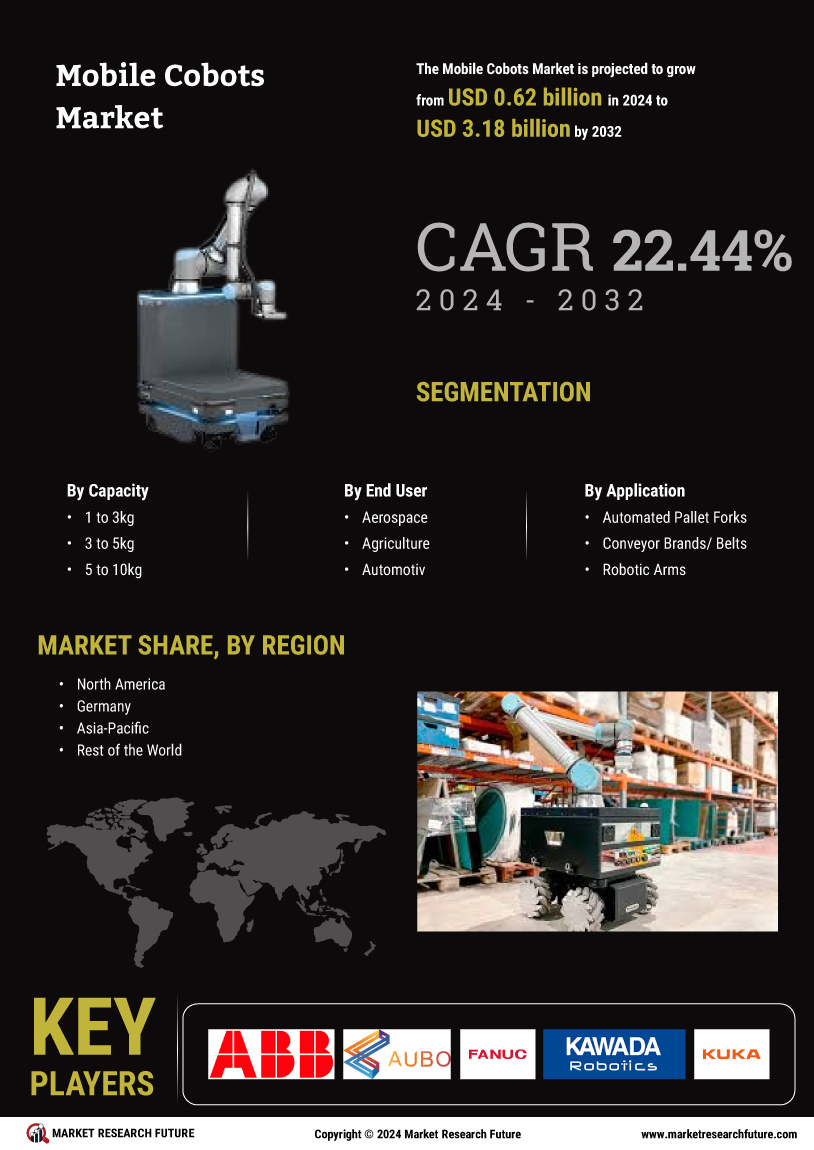
  • The logistics sector is rapidly adopting solutions from the Mobile Cobots Market to improve efficiency and reduce costs. Cobots are transforming how goods are transported and managed within warehouses, enabling faster and more accurate order fulfillment. For more details on this sector, visit Mobile Cobots Market.

    In logistics, mobile cobots can assist with tasks such as inventory management, picking, and packing, significantly reducing the time it takes to move products through the supply chain. These robots are designed to navigate complex warehouse environments autonomously, using advanced sensors and mapping technologies to avoid obstacles and optimize their routes. This capability allows them to operate efficiently in busy settings where human workers are also present.

    One of the primary applications of mobile cobots in logistics is inventory management. Cobots can autonomously scan barcodes and track stock levels in real time, providing accurate and up-to-date information on inventory status. This capability helps reduce errors associated with manual inventory checks and ensures that stock levels are maintained optimally. As a result, companies can avoid stockouts and overstock situations, leading to improved operational efficiency.

    Mobile cobots also play a crucial role in order fulfillment. They can assist with picking and packing tasks by retrieving items from shelves and preparing them for shipment. By automating these processes, companies can significantly speed up order processing times and enhance customer satisfaction. For instance, in e-commerce fulfillment centers, mobile cobots can quickly pick items from various locations, reducing the time it takes to prepare orders for delivery.

    The integration of mobile cobots into logistics operations can lead to cost savings as well. By automating repetitive tasks, companies can reduce labor costs associated with manual handling. Additionally, the increased efficiency achieved through the use of cobots can lead to higher throughput and improved profitability. Companies that have adopted mobile cobots in their logistics operations often report favorable returns on investment within a short period.

    Despite the many advantages, the successful implementation of mobile cobots in logistics requires careful planning and consideration. Companies must assess their existing workflows and identify areas where cobots can add value. Engaging employees in the process and providing adequate training is essential for ensuring a smooth transition to a more automated environment. Addressing potential concerns about job displacement and emphasizing the collaborative nature of cobots can foster a positive attitude toward automation.

    Looking ahead, the future of mobile cobots in logistics appears promising. As technology continues to advance, we can expect further innovations that enhance the capabilities of these robots. The integration of AI and machine learning will enable mobile cobots to learn from their environments and improve their performance over time. Additionally, the expansion of mobile cobots into new logistics sectors will create new opportunities for growth and development.
    sector.@https://www.marketresearchfuture.com/reports/mobile-cobots-market-10806
    The logistics sector is rapidly adopting solutions from the Mobile Cobots Market to improve efficiency and reduce costs. Cobots are transforming how goods are transported and managed within warehouses, enabling faster and more accurate order fulfillment. For more details on this sector, visit Mobile Cobots Market. In logistics, mobile cobots can assist with tasks such as inventory management, picking, and packing, significantly reducing the time it takes to move products through the supply chain. These robots are designed to navigate complex warehouse environments autonomously, using advanced sensors and mapping technologies to avoid obstacles and optimize their routes. This capability allows them to operate efficiently in busy settings where human workers are also present. One of the primary applications of mobile cobots in logistics is inventory management. Cobots can autonomously scan barcodes and track stock levels in real time, providing accurate and up-to-date information on inventory status. This capability helps reduce errors associated with manual inventory checks and ensures that stock levels are maintained optimally. As a result, companies can avoid stockouts and overstock situations, leading to improved operational efficiency. Mobile cobots also play a crucial role in order fulfillment. They can assist with picking and packing tasks by retrieving items from shelves and preparing them for shipment. By automating these processes, companies can significantly speed up order processing times and enhance customer satisfaction. For instance, in e-commerce fulfillment centers, mobile cobots can quickly pick items from various locations, reducing the time it takes to prepare orders for delivery. The integration of mobile cobots into logistics operations can lead to cost savings as well. By automating repetitive tasks, companies can reduce labor costs associated with manual handling. Additionally, the increased efficiency achieved through the use of cobots can lead to higher throughput and improved profitability. Companies that have adopted mobile cobots in their logistics operations often report favorable returns on investment within a short period. Despite the many advantages, the successful implementation of mobile cobots in logistics requires careful planning and consideration. Companies must assess their existing workflows and identify areas where cobots can add value. Engaging employees in the process and providing adequate training is essential for ensuring a smooth transition to a more automated environment. Addressing potential concerns about job displacement and emphasizing the collaborative nature of cobots can foster a positive attitude toward automation. Looking ahead, the future of mobile cobots in logistics appears promising. As technology continues to advance, we can expect further innovations that enhance the capabilities of these robots. The integration of AI and machine learning will enable mobile cobots to learn from their environments and improve their performance over time. Additionally, the expansion of mobile cobots into new logistics sectors will create new opportunities for growth and development. sector.@https://www.marketresearchfuture.com/reports/mobile-cobots-market-10806
    WWW.MARKETRESEARCHFUTURE.COM
    Mobile Cobots Market Size, Trends, Industry Report - 2035
    Mobile Cobots Market is Estimated to Reach USD 5.75 Billion By 2035, Growing at a CAGR of 22.44% During 2025 - 2035 | Driven By Advancements In Automation, Demand For
    👁️ 0 | 💰 Rs 0.00
    0 Comments 0 Shares
    0 Reviews
  • #foryou #status
    #foryou #status
    Love
    Like
    6
    👁️ 0 | 💰 Rs 0.00
    0 Comments 0 Shares
    0 Reviews
Freecave – Social Media Platform https://freecave.net