



• The Companion Animal Parasiticides Market’s CAGR of 4.7%: Top 10 Companies Leading the Charge in 2034
    According to a new report from Intel Market Research, Global Companion Animal Parasiticides market was valued at USD 2.10 billion in 2025 and is projected to reach USD 2.87 billion by 2034, growing at a CAGR of 4.7% during the forecast period (2026-2034). This growth is driven by rising pet ownership, increasing awareness of zoonotic diseases, and advancements in veterinary healthcare.
    What are Companion Animal Parasiticides?
    Companion animal parasiticides are pharmaceutical formulations used to prevent, control, or eliminate parasites in pets including dogs, cats, and horses. These products target various parasites including ectoparasites (fleas, ticks), endoparasites (intestinal worms), and offer broad-spectrum protection through endectocides. The market has evolved significantly with innovative delivery formats like chewable tablets and spot-on treatments that enhance compliance and efficacy.
    This report provides comprehensive analysis of the global Companion Animal Parasiticides market covering all critical aspects—from macro market trends to micro-level competitor strategies. The research examines market dynamics, segmentation, regional variations, and emerging opportunities to help stakeholders make informed decisions.
    The analysis enables understanding of competitive forces within the industry and identifies strategies for sustainable growth. It also offers frameworks for evaluating business positioning in this evolving market. With detailed competitor profiling and market share analysis, this report is essential for:
    Veterinary pharmaceutical manufacturers
    Animal healthcare investors
    Research organizations
    Business strategists
    Industry consultants
    📥 Download Sample Report: Companion Animal Parasiticides Market - View in Detailed Research Report
    📥 Download Sample Report: https://www.intelmarketresearch.com/download-free-sample/31144/companion-animal-parasiticides-market
    The Companion Animal Parasiticides Market’s CAGR of 4.7%: Top 10 Companies Leading the Charge in 2034 According to a new report from Intel Market Research, Global Companion Animal Parasiticides market was valued at USD 2.10 billion in 2025 and is projected to reach USD 2.87 billion by 2034, growing at a CAGR of 4.7% during the forecast period (2026-2034). This growth is driven by rising pet ownership, increasing awareness of zoonotic diseases, and advancements in veterinary healthcare. What are Companion Animal Parasiticides? Companion animal parasiticides are pharmaceutical formulations used to prevent, control, or eliminate parasites in pets including dogs, cats, and horses. These products target various parasites including ectoparasites (fleas, ticks), endoparasites (intestinal worms), and offer broad-spectrum protection through endectocides. The market has evolved significantly with innovative delivery formats like chewable tablets and spot-on treatments that enhance compliance and efficacy. This report provides comprehensive analysis of the global Companion Animal Parasiticides market covering all critical aspects—from macro market trends to micro-level competitor strategies. The research examines market dynamics, segmentation, regional variations, and emerging opportunities to help stakeholders make informed decisions. The analysis enables understanding of competitive forces within the industry and identifies strategies for sustainable growth. It also offers frameworks for evaluating business positioning in this evolving market. With detailed competitor profiling and market share analysis, this report is essential for: Veterinary pharmaceutical manufacturers Animal healthcare investors Research organizations Business strategists Industry consultants 📥 Download Sample Report: Companion Animal Parasiticides Market - View in Detailed Research Report 📥 Download Sample Report: https://www.intelmarketresearch.com/download-free-sample/31144/companion-animal-parasiticides-market
    Download Free Sample : Companion Animal Parasiticides Market
    Free Sample Report Preview: Companion Animal Parasiticides Market Growth Analysis, Dynamics, Key Players and Innovations, Outlook and Forecast 2026-2034
    👁️ 0 | 💰 Rs 0.00
    0 Commentarii 0 Distribuiri
    0 previzualizare

  • https://www.binance.com/activity/word-of-the-day/binancejunior?ref=CPA_007VB9QY32&utm_medium=web_share_copy
    Acount bna k verfi kren #Gift20$ #binance #trading #spot #future
    https://www.binance.com/activity/word-of-the-day/binancejunior?ref=CPA_007VB9QY32&utm_medium=web_share_copy Acount bna k verfi kren #Gift20$ #binance #trading #spot #future
    👁️ 0 | 💰 Rs 0.00
    0 Commentarii 0 Distribuiri
    0 previzualizare

  • Gift 20$
    Acount bna k verify kren https://www.binance.com/activity/word-of-the-day/binancejunior?ref=CPA_007VB9QY32&utm_medium=web_share_copy
    #binance #trading #gift #spot #future
    Gift 20$ Acount bna k verify kren https://www.binance.com/activity/word-of-the-day/binancejunior?ref=CPA_007VB9QY32&utm_medium=web_share_copy #binance #trading #gift #spot #future
    👁️ 0 | 💰 Rs 0.00
    0 Commentarii 0 Distribuiri
    0 previzualizare

  • https://www.binance.com/activity/word-of-the-day/binancejunior?ref=CPA_007VB9QY32&utm_medium=web_share_copy
    Acount bna k verify kr len, Gift 20$
    #binance #cpa #gift #trading #spot
    https://www.binance.com/activity/word-of-the-day/binancejunior?ref=CPA_007VB9QY32&utm_medium=web_share_copy Acount bna k verify kr len, Gift 20$ #binance #cpa #gift #trading #spot
    👁️ 0 | 💰 Rs 0.00
    0 Commentarii 0 Distribuiri
    0 previzualizare
  • The Oil Drilling Equipment Derrick Market’s CAGR of 6.1%: Top 10 Companies Leading the Industry by 2034
    According to a new report from Intel Market Research,Global oil drilling equipment derrick market was valued at USD 3.42 billion in 2025 and is projected to reach USD 5.91 billion by 2034, growing at a steady CAGR of 6.1% during the forecast period (2026-2034). This growth trajectory reflects the industry's response to increasing offshore drilling activities and technological innovations in deepwater exploration equipment.
    What are Oil Drilling Equipment Derricks?
    Oil derricks are the towering steel structures that form the backbone of drilling operations, providing critical support for drill strings and associated equipment. These engineering marvels incorporate crown blocks - the stationary component of a block-and-tackle system that manages massive loads during drilling operations. While traditionally associated with permanent offshore installations, contemporary derrick designs now feature modular configurations that enhance mobility for onshore applications.
    📥 Download Sample Report: https://www.intelmarketresearch.com/download-free-sample/32770/oil-drilling-equipment-derrick-market
    This comprehensive report delivers deep insights into the oil drilling equipment derrick market, covering everything from macro-level industry trends to micro-level technical specifications. The analysis examines market dynamics, competitive environment, technological developments, and strategic business opportunities, providing stakeholders with actionable intelligence to navigate this specialized sector.
    The report's value lies in its ability to help industry participants understand the competitive landscape and identify growth strategies. It meticulously profiles key market players, analyzing their market positioning, operational capabilities, and product portfolios. For anyone involved in oilfield services, equipment manufacturing, or energy sector investments, this report offers indispensable strategic guidance.
    Key Market Drivers
    1. Expanding Offshore Exploration Activities
    The push for new hydrocarbon reserves in deepwater environments has become a primary growth catalyst. With conventional reserves depleting, operators are investing heavily in offshore capabilities. The Gulf of Mexico, West Africa, and Brazil's pre-salt basins have emerged as hotspots for derrick deployment, requiring specialized equipment capable of withstanding extreme marine conditions while delivering reliable performance.
    2. Technological Breakthroughs in Drilling Systems
    Modern derricks incorporate innovative features that enhance operational efficiency and safety:
    Automated pipe handling systems that reduce manual labor requirements
    Advanced load monitoring technologies that prevent equipment overloading
    Modular designs enabling faster rig mobilization and setup
    Corrosion-resistant materials extending equipment lifespan in harsh environments
    These advancements are transforming drilling operations, making them more efficient while simultaneously addressing workforce safety concerns and environmental compliance requirements.
    📥 Download Sample Report: Oil Drilling Equipment Derrick Market - View in Detailed Research Report
    The Oil Drilling Equipment Derrick Market’s CAGR of 6.1%: Top 10 Companies Leading the Industry by 2034 According to a new report from Intel Market Research,Global oil drilling equipment derrick market was valued at USD 3.42 billion in 2025 and is projected to reach USD 5.91 billion by 2034, growing at a steady CAGR of 6.1% during the forecast period (2026-2034). This growth trajectory reflects the industry's response to increasing offshore drilling activities and technological innovations in deepwater exploration equipment. What are Oil Drilling Equipment Derricks? Oil derricks are the towering steel structures that form the backbone of drilling operations, providing critical support for drill strings and associated equipment. These engineering marvels incorporate crown blocks - the stationary component of a block-and-tackle system that manages massive loads during drilling operations. While traditionally associated with permanent offshore installations, contemporary derrick designs now feature modular configurations that enhance mobility for onshore applications. 📥 Download Sample Report: https://www.intelmarketresearch.com/download-free-sample/32770/oil-drilling-equipment-derrick-market This comprehensive report delivers deep insights into the oil drilling equipment derrick market, covering everything from macro-level industry trends to micro-level technical specifications. The analysis examines market dynamics, competitive environment, technological developments, and strategic business opportunities, providing stakeholders with actionable intelligence to navigate this specialized sector. The report's value lies in its ability to help industry participants understand the competitive landscape and identify growth strategies. It meticulously profiles key market players, analyzing their market positioning, operational capabilities, and product portfolios. For anyone involved in oilfield services, equipment manufacturing, or energy sector investments, this report offers indispensable strategic guidance. Key Market Drivers 1. Expanding Offshore Exploration Activities The push for new hydrocarbon reserves in deepwater environments has become a primary growth catalyst. With conventional reserves depleting, operators are investing heavily in offshore capabilities. The Gulf of Mexico, West Africa, and Brazil's pre-salt basins have emerged as hotspots for derrick deployment, requiring specialized equipment capable of withstanding extreme marine conditions while delivering reliable performance. 2. Technological Breakthroughs in Drilling Systems Modern derricks incorporate innovative features that enhance operational efficiency and safety: Automated pipe handling systems that reduce manual labor requirements Advanced load monitoring technologies that prevent equipment overloading Modular designs enabling faster rig mobilization and setup Corrosion-resistant materials extending equipment lifespan in harsh environments These advancements are transforming drilling operations, making them more efficient while simultaneously addressing workforce safety concerns and environmental compliance requirements. 📥 Download Sample Report: Oil Drilling Equipment Derrick Market - View in Detailed Research Report
    👁️ 0 | 💰 Rs 0.00
    0 Commentarii 0 Distribuiri
    0 previzualizare
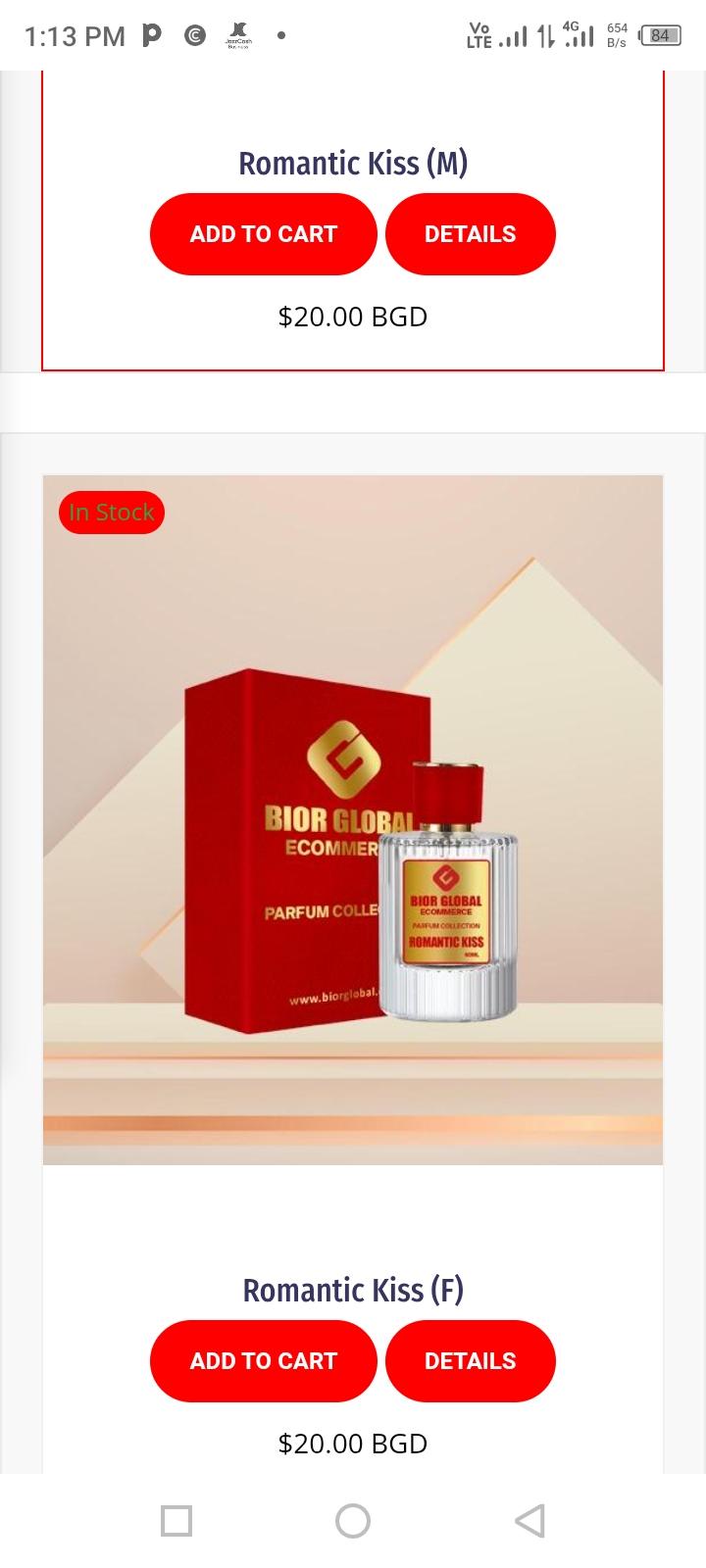
  • #grand#opening#great#spot#z
    #grand#opening#great#spot#z
    👁️ 0 | 💰 Rs 0.00
    0 Commentarii 0 Distribuiri
    0 previzualizare
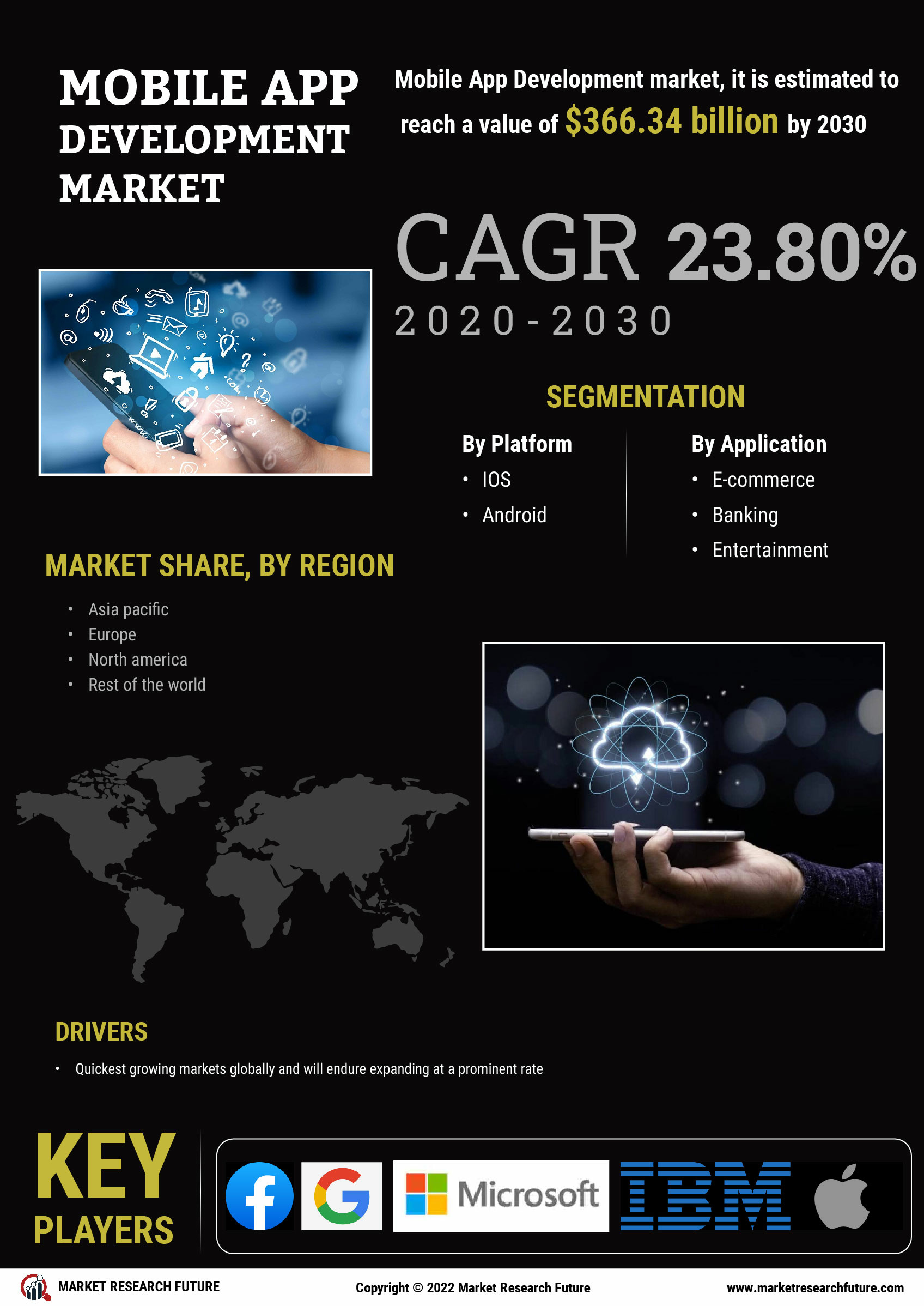
  • Effectively monetizing a mobile app is crucial for its long-term sustainability. This article explores various monetization strategies, including advertising, subscriptions, and in-app purchases, to help developers choose the best approach. The choice of monetization strategy can significantly impact an app's profitability and user experience. Understanding the strengths and weaknesses of each approach is essential for developers aiming to maximize revenue while maintaining user satisfaction.

    Monetization strategies can be broadly categorized into ad-supported, paid, and freemium models. Ad-supported apps generate revenue through advertisements displayed within the app. This model is popular among developers because it allows users to access the app for free, thereby attracting a larger audience. However, excessive ads can lead to a poor user experience, causing users to abandon the app. Striking a balance between ad placement and user experience is critical for success.

    Paid apps require users to pay upfront to download the app. This model can be effective for apps that offer unique features or services that justify the cost. However, the challenge lies in convincing users to make the initial purchase. Marketing strategies, such as offering free trials or limited-time discounts, can help increase downloads. Additionally, maintaining high-quality content and regular updates is essential to retain users and encourage positive reviews.

    The freemium model, which offers basic features for free and charges for premium content, has gained popularity due to its ability to attract a larger user base. This model allows users to experience the app without any financial commitment, increasing the likelihood of downloads. Once users are engaged, developers can encourage them to upgrade to a paid version or make in-app purchases for additional features or content. Successful examples of this model include apps like Spotify and Dropbox, which offer free tiers with the option to upgrade for enhanced functionality.

    In-app purchases are another effective monetization strategy, allowing users to buy virtual goods or additional features within the app. This model is particularly popular in gaming apps, where users can purchase in-game currency, extra lives, or cosmetic items. However, developers must ensure that in-app purchases do not create a pay-to-win environment, as this can alienate users and lead to negative feedback. Balancing the value of in-app purchases with the overall user experience is crucial for maintaining user satisfaction.

    Successful monetization examples include Spotify, which uses a freemium model to attract users and convert them to paid subscribers. The app offers a free version with ads and limited features, while the premium version provides an ad-free experience and additional functionalities. Candy Crush, on the other hand, generates revenue through in-app purchases, offering players the option to buy extra lives and boosts to enhance their gaming experience.

    Selecting the right monetization strategy is essential for maximizing revenue while maintaining a positive user experience. Developers should carefully consider their target audience, app functionality, and market trends when choosing an approach. Additionally, monitoring user feedback and adapting the monetization strategy as needed can help ensure long-term success.

    In conclusion, monetization strategies play a vital role in the sustainability of mobile apps. By understanding the strengths and weaknesses of various approaches, developers can choose the best fit for their applications. A well-planned monetization strategy not only drives revenue but also enhances user engagement and satisfaction. As the mobile app landscape continues to evolve, staying informed about industry trends and user preferences will be crucial for developers looking to succeed in this competitive market.@https://www.marketresearchfuture.com/reports/mobile-app-development-market-1752
    Effectively monetizing a mobile app is crucial for its long-term sustainability. This article explores various monetization strategies, including advertising, subscriptions, and in-app purchases, to help developers choose the best approach. The choice of monetization strategy can significantly impact an app's profitability and user experience. Understanding the strengths and weaknesses of each approach is essential for developers aiming to maximize revenue while maintaining user satisfaction. Monetization strategies can be broadly categorized into ad-supported, paid, and freemium models. Ad-supported apps generate revenue through advertisements displayed within the app. This model is popular among developers because it allows users to access the app for free, thereby attracting a larger audience. However, excessive ads can lead to a poor user experience, causing users to abandon the app. Striking a balance between ad placement and user experience is critical for success. Paid apps require users to pay upfront to download the app. This model can be effective for apps that offer unique features or services that justify the cost. However, the challenge lies in convincing users to make the initial purchase. Marketing strategies, such as offering free trials or limited-time discounts, can help increase downloads. Additionally, maintaining high-quality content and regular updates is essential to retain users and encourage positive reviews. The freemium model, which offers basic features for free and charges for premium content, has gained popularity due to its ability to attract a larger user base. This model allows users to experience the app without any financial commitment, increasing the likelihood of downloads. Once users are engaged, developers can encourage them to upgrade to a paid version or make in-app purchases for additional features or content. Successful examples of this model include apps like Spotify and Dropbox, which offer free tiers with the option to upgrade for enhanced functionality. In-app purchases are another effective monetization strategy, allowing users to buy virtual goods or additional features within the app. This model is particularly popular in gaming apps, where users can purchase in-game currency, extra lives, or cosmetic items. However, developers must ensure that in-app purchases do not create a pay-to-win environment, as this can alienate users and lead to negative feedback. Balancing the value of in-app purchases with the overall user experience is crucial for maintaining user satisfaction. Successful monetization examples include Spotify, which uses a freemium model to attract users and convert them to paid subscribers. The app offers a free version with ads and limited features, while the premium version provides an ad-free experience and additional functionalities. Candy Crush, on the other hand, generates revenue through in-app purchases, offering players the option to buy extra lives and boosts to enhance their gaming experience. Selecting the right monetization strategy is essential for maximizing revenue while maintaining a positive user experience. Developers should carefully consider their target audience, app functionality, and market trends when choosing an approach. Additionally, monitoring user feedback and adapting the monetization strategy as needed can help ensure long-term success. In conclusion, monetization strategies play a vital role in the sustainability of mobile apps. By understanding the strengths and weaknesses of various approaches, developers can choose the best fit for their applications. A well-planned monetization strategy not only drives revenue but also enhances user engagement and satisfaction. As the mobile app landscape continues to evolve, staying informed about industry trends and user preferences will be crucial for developers looking to succeed in this competitive market.@https://www.marketresearchfuture.com/reports/mobile-app-development-market-1752
    WWW.MARKETRESEARCHFUTURE.COM
    Mobile App Development Market Size, Trends, Global Report - 2035
    Mobile App Development Market is Estimated to Grow USD 988.5 Billion By 2035, Reaching at a CAGR of 23.80% During the Forecast Period 2025 - 2035 | Advances Propels Market
    👁️ 0 | 💰 Rs 0.00
    0 Commentarii 0 Distribuiri
    0 previzualizare
Freecave – Social Media Platform https://freecave.net