


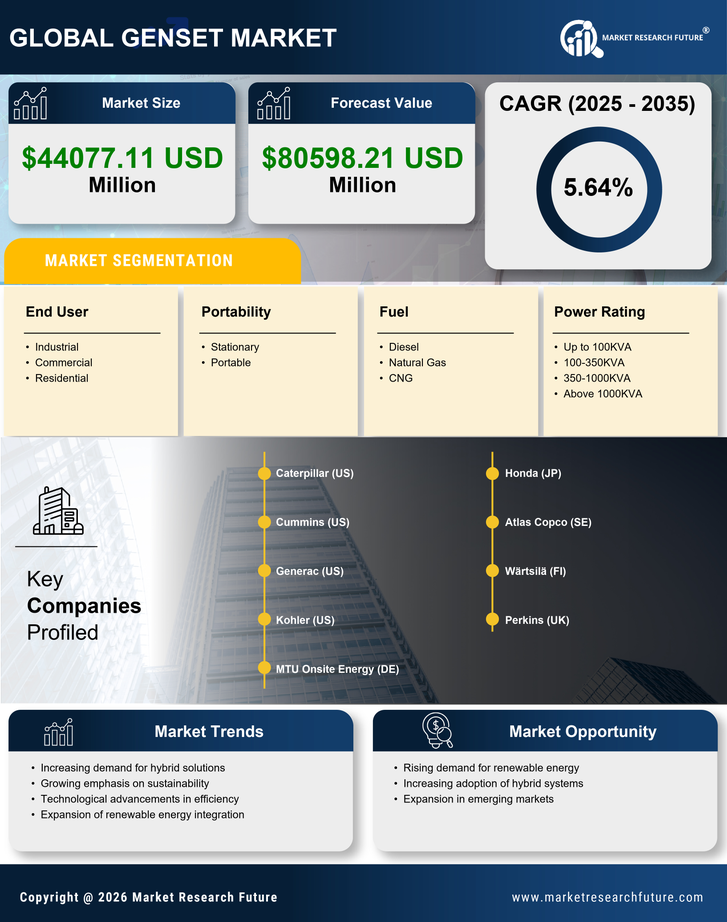
• Genset Market Share by Fuel Type and Application 2035
    https://www.marketresearchfuture.com/reports/genset-market-1709

    As per Market Research Future, the Genset Market Growth is driven by increasing global electricity demand and the need for reliable backup power solutions. Rapid urbanization, industrial expansion, and digital transformation are key contributors to market growth worldwide.

    One major factor supporting genset market growth is the expansion of infrastructure projects, including smart cities, transportation networks, and commercial buildings. Construction sites require temporary power supply, and gensets provide flexible and efficient solutions. Additionally, the rise in natural disasters and extreme weather events has increased awareness about emergency power preparedness.

    The proliferation of data centers is another significant growth driver. As cloud computing and digital services expand, companies require uninterrupted electricity to maintain operations. High-capacity gensets are essential to prevent downtime and ensure business continuity.

    Technological advancements are also accelerating market growth. Smart gensets with IoT-based monitoring systems enable predictive maintenance and improved fuel efficiency. Hybrid gensets integrating renewable energy sources offer environmentally friendly solutions, addressing concerns about carbon emissions.

    Regional growth trends indicate strong momentum in Asia-Pacific due to infrastructure development and frequent power interruptions. North America and Europe demonstrate steady growth driven by modernization of existing power systems and regulatory compliance requirements.

    Although the growing adoption of renewable energy may present long-term challenges, gensets remain crucial for backup and standby applications. Overall, the genset market growth trajectory remains positive, supported by industrialization, technological innovation, and rising energy demand.

    Frequently Asked Questions (FAQs)

    What factors are fueling genset market growth?
    Industrial expansion, infrastructure development, digital transformation, and increasing demand for reliable backup power are key drivers.

    How does technology influence market growth?
    IoT-enabled monitoring, predictive maintenance, and hybrid solutions improve efficiency and reduce downtime, enhancing adoption.

    Which region shows the fastest growth?
    Asia-Pacific is experiencing rapid growth due to expanding infrastructure and rising electricity demand.
    Genset Market Share by Fuel Type and Application 2035 https://www.marketresearchfuture.com/reports/genset-market-1709 As per Market Research Future, the Genset Market Growth is driven by increasing global electricity demand and the need for reliable backup power solutions. Rapid urbanization, industrial expansion, and digital transformation are key contributors to market growth worldwide. One major factor supporting genset market growth is the expansion of infrastructure projects, including smart cities, transportation networks, and commercial buildings. Construction sites require temporary power supply, and gensets provide flexible and efficient solutions. Additionally, the rise in natural disasters and extreme weather events has increased awareness about emergency power preparedness. The proliferation of data centers is another significant growth driver. As cloud computing and digital services expand, companies require uninterrupted electricity to maintain operations. High-capacity gensets are essential to prevent downtime and ensure business continuity. Technological advancements are also accelerating market growth. Smart gensets with IoT-based monitoring systems enable predictive maintenance and improved fuel efficiency. Hybrid gensets integrating renewable energy sources offer environmentally friendly solutions, addressing concerns about carbon emissions. Regional growth trends indicate strong momentum in Asia-Pacific due to infrastructure development and frequent power interruptions. North America and Europe demonstrate steady growth driven by modernization of existing power systems and regulatory compliance requirements. Although the growing adoption of renewable energy may present long-term challenges, gensets remain crucial for backup and standby applications. Overall, the genset market growth trajectory remains positive, supported by industrialization, technological innovation, and rising energy demand. Frequently Asked Questions (FAQs) What factors are fueling genset market growth? Industrial expansion, infrastructure development, digital transformation, and increasing demand for reliable backup power are key drivers. How does technology influence market growth? IoT-enabled monitoring, predictive maintenance, and hybrid solutions improve efficiency and reduce downtime, enhancing adoption. Which region shows the fastest growth? Asia-Pacific is experiencing rapid growth due to expanding infrastructure and rising electricity demand.
    WWW.MARKETRESEARCHFUTURE.COM
    Genset Market Size, Share, Growth Industry Report 2035
    Genset Market is projected to grow at a 6.7% CAGR from 2025 to 2035, driven by increasing energy demands, technological advancements, and sustainability initiatives.
    πŸ‘οΈ 0 | πŸ’° Rs 0.00
    0 Commenti 0 condivisioni
    0 Anteprima

  • Floating Wind Turbine Market Analysis of Cost Reduction and Project Scalability
    https://www.marketresearchfuture.com/reports/floating-wind-turbine-market-10051

    As per Market Research Future, the Floating Wind Turbine Market Analysis highlights a rapidly evolving industry shaped by innovation, policy frameworks, and growing offshore renewable investments. Floating wind turbines represent a strategic solution for harnessing wind energy in deep waters, making them increasingly important within the global renewable energy landscape.

    From a technological perspective, the market is segmented based on foundation type, including spar-buoy, semi-submersible, and tension leg platforms. Each design offers unique advantages in terms of stability, water depth suitability, and installation complexity. Semi-submersible platforms are gaining attention due to their flexibility and ease of assembly, while spar-buoy structures are preferred for very deep waters.

    Capacity analysis shows a gradual shift from demonstration projects to utility-scale installations. Early pilot projects have validated the technical feasibility of floating wind turbines, encouraging commercial deployment. As turbine capacities increase and floating structures become more robust, project economics continue to improve, strengthening the overall market outlook.

    Policy and regulatory environments play a crucial role in shaping market dynamics. Supportive government policies, offshore leasing programs, and renewable energy targets provide a strong foundation for market development. Financial incentives and long-term power purchase agreements reduce investment risks and attract private sector participation.

    The competitive landscape is characterized by collaborations between energy developers, turbine manufacturers, and marine engineering firms. Strategic partnerships enable knowledge sharing, risk mitigation, and accelerated technology development. Companies are also investing heavily in research and development to enhance efficiency and reduce lifecycle costs.

    Challenges such as high initial investment, complex installation processes, and grid integration issues remain key considerations. However, ongoing technological progress and experience gained from early projects are gradually addressing these challenges. Improved supply chain coordination and standardization are expected to further streamline project execution.

    Overall, the floating wind turbine market analysis indicates a positive long-term outlook. As offshore wind becomes a cornerstone of global energy strategies, floating wind technology will play an increasingly vital role in expanding renewable capacity beyond shallow coastal areas.

    FAQs

    What are the main segments in the floating wind turbine market?
    The market is segmented by foundation type, turbine capacity, water depth, and application.

    How do government policies impact the market?
    Supportive policies and incentives reduce investment risks and encourage large-scale offshore wind development.

    What are the key challenges in this market?
    High initial costs, installation complexity, and grid connectivity are major challenges, though they are gradually being addressed.
    Floating Wind Turbine Market Analysis of Cost Reduction and Project Scalability https://www.marketresearchfuture.com/reports/floating-wind-turbine-market-10051 As per Market Research Future, the Floating Wind Turbine Market Analysis highlights a rapidly evolving industry shaped by innovation, policy frameworks, and growing offshore renewable investments. Floating wind turbines represent a strategic solution for harnessing wind energy in deep waters, making them increasingly important within the global renewable energy landscape. From a technological perspective, the market is segmented based on foundation type, including spar-buoy, semi-submersible, and tension leg platforms. Each design offers unique advantages in terms of stability, water depth suitability, and installation complexity. Semi-submersible platforms are gaining attention due to their flexibility and ease of assembly, while spar-buoy structures are preferred for very deep waters. Capacity analysis shows a gradual shift from demonstration projects to utility-scale installations. Early pilot projects have validated the technical feasibility of floating wind turbines, encouraging commercial deployment. As turbine capacities increase and floating structures become more robust, project economics continue to improve, strengthening the overall market outlook. Policy and regulatory environments play a crucial role in shaping market dynamics. Supportive government policies, offshore leasing programs, and renewable energy targets provide a strong foundation for market development. Financial incentives and long-term power purchase agreements reduce investment risks and attract private sector participation. The competitive landscape is characterized by collaborations between energy developers, turbine manufacturers, and marine engineering firms. Strategic partnerships enable knowledge sharing, risk mitigation, and accelerated technology development. Companies are also investing heavily in research and development to enhance efficiency and reduce lifecycle costs. Challenges such as high initial investment, complex installation processes, and grid integration issues remain key considerations. However, ongoing technological progress and experience gained from early projects are gradually addressing these challenges. Improved supply chain coordination and standardization are expected to further streamline project execution. Overall, the floating wind turbine market analysis indicates a positive long-term outlook. As offshore wind becomes a cornerstone of global energy strategies, floating wind technology will play an increasingly vital role in expanding renewable capacity beyond shallow coastal areas. FAQs What are the main segments in the floating wind turbine market? The market is segmented by foundation type, turbine capacity, water depth, and application. How do government policies impact the market? Supportive policies and incentives reduce investment risks and encourage large-scale offshore wind development. What are the key challenges in this market? High initial costs, installation complexity, and grid connectivity are major challenges, though they are gradually being addressed.
    WWW.MARKETRESEARCHFUTURE.COM
    Floating Wind Turbine Market Size, Share, Growth Report 2035
    Floating Wind Turbine Market is projected to grow at a 33.50% CAGR from 2025 to 2035, driven by technological advancements, increasing energy demands, and supportive government policies.
    πŸ‘οΈ 0 | πŸ’° Rs 0.00
    0 Commenti 0 condivisioni
    0 Anteprima
  • #purpal #pak #PakistanEarning
    #positive #l
    #purpal #pak #PakistanEarning #positive #l
    Like
    1
    πŸ‘οΈ 0 | πŸ’° Rs 0.00
    0 Commenti 0 condivisioni
    0 Anteprima

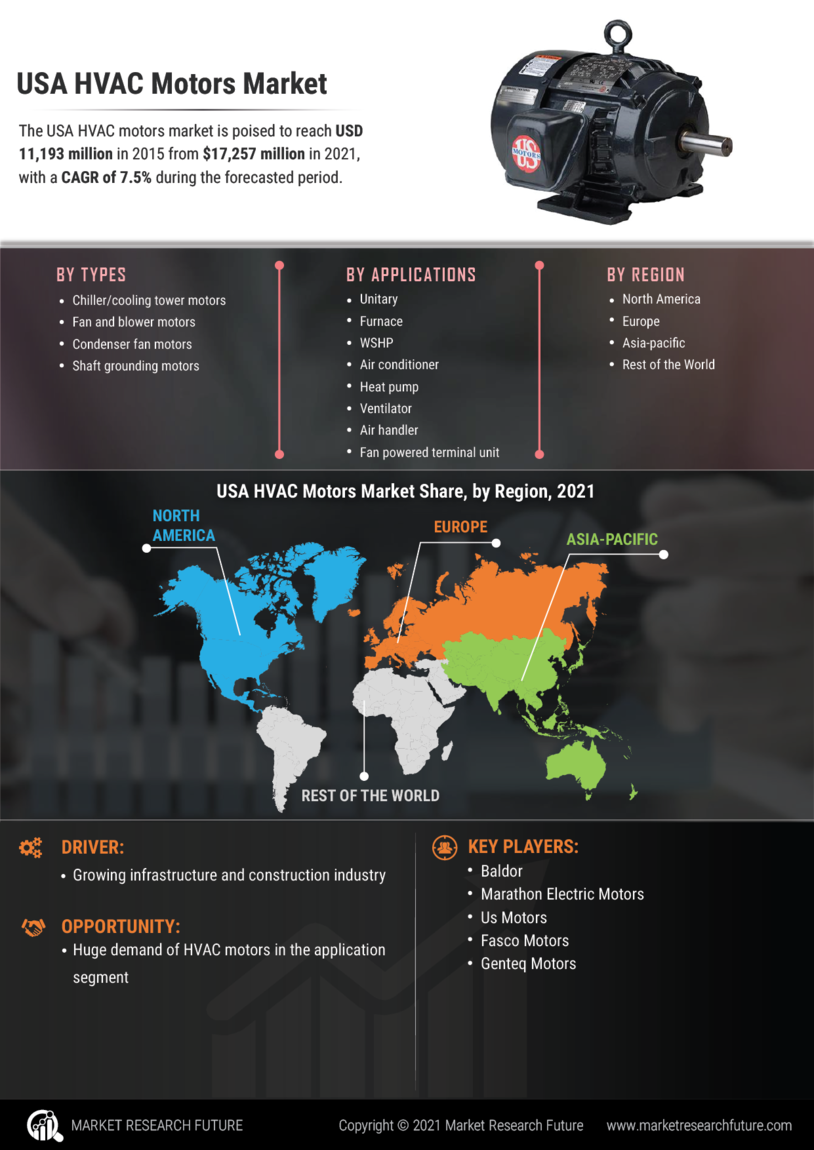
  • USA HVAC Motors Market Overview and Industry Insights

    https://www.marketresearchfuture.com/reports/usa-hvac-motors-market-1187

    As per Market Research Future, the USA HVAC Motors Market
    is projected to grow steadily in the coming years, fueled by rising demand for energy-efficient heating, ventilation, and air conditioning systems in residential, commercial, and industrial sectors. The increasing emphasis on reducing energy consumption, coupled with stricter environmental regulations and technological innovations, is driving the adoption of advanced HVAC motors. High-performance motors that deliver better efficiency, lower noise, and enhanced durability are becoming standard across the U.S., reflecting a growing trend toward sustainability and operational cost reduction.

    The market features diverse motor types including permanent split capacitor (PSC), electronically commutated motors (ECM), and shaded pole motors. Among these, ECM motors are gaining significant traction due to their high energy efficiency, precise speed control, and adaptability in modern HVAC systems. These motors contribute to reducing energy costs while improving indoor air quality and operational performance. The trend of smart HVAC solutions and IoT-enabled systems is also influencing market growth, as intelligent motors allow real-time monitoring, predictive maintenance, and optimal energy utilization.

    The surge in residential and commercial construction projects in the United States is another critical factor driving the HVAC motors market. Builders and facility managers are increasingly adopting motors that comply with energy codes, reduce environmental impact, and offer reliable performance. Retrofitting older systems with modern, energy-efficient motors is emerging as a promising segment, enabling cost savings and compliance with stringent energy regulations.

    Technological advancements are at the forefront of market expansion. Motor manufacturers are developing compact, lightweight, and corrosion-resistant designs suitable for diverse applications. Integration with smart sensors and IoT devices enables automated adjustments for airflow, fan speed, and energy consumption. These features enhance the longevity of HVAC systems, reduce maintenance costs, and improve user experience.

    Competitive strategies in the market include mergers, acquisitions, and strategic partnerships aimed at enhancing product offerings and market reach. Companies are investing in R&D to introduce motors with improved energy efficiency, durability, and environmental compatibility. The trend toward renewable energy adoption in buildings also supports the demand for HVAC motors compatible with hybrid or solar-powered systems.

    Despite market growth, challenges such as fluctuating raw material prices, the need for skilled technicians, and competition from low-cost imports exist. However, these are being mitigated through innovation, standardized designs, and workforce training initiatives. The market outlook remains positive, with increasing demand from energy-conscious consumers and commercial enterprises driving expansion.

    FAQs

    Q1: What types of HVAC motors are popular in the U.S.?
    A1: PSC motors, ECM motors, and shaded pole motors are commonly used, with ECM motors increasingly favored for their energy efficiency.

    Q2: What factors are driving market growth?
    A2: Key drivers include construction growth, energy-efficient regulations, technological advancements, and the demand for smart HVAC systems.

    Q3: What are the challenges faced by the market?
    A3: Challenges include raw material cost fluctuations, skilled labor shortages, and competition from low-cost imports.
    USA HVAC Motors Market Overview and Industry Insights https://www.marketresearchfuture.com/reports/usa-hvac-motors-market-1187 As per Market Research Future, the USA HVAC Motors Market is projected to grow steadily in the coming years, fueled by rising demand for energy-efficient heating, ventilation, and air conditioning systems in residential, commercial, and industrial sectors. The increasing emphasis on reducing energy consumption, coupled with stricter environmental regulations and technological innovations, is driving the adoption of advanced HVAC motors. High-performance motors that deliver better efficiency, lower noise, and enhanced durability are becoming standard across the U.S., reflecting a growing trend toward sustainability and operational cost reduction. The market features diverse motor types including permanent split capacitor (PSC), electronically commutated motors (ECM), and shaded pole motors. Among these, ECM motors are gaining significant traction due to their high energy efficiency, precise speed control, and adaptability in modern HVAC systems. These motors contribute to reducing energy costs while improving indoor air quality and operational performance. The trend of smart HVAC solutions and IoT-enabled systems is also influencing market growth, as intelligent motors allow real-time monitoring, predictive maintenance, and optimal energy utilization. The surge in residential and commercial construction projects in the United States is another critical factor driving the HVAC motors market. Builders and facility managers are increasingly adopting motors that comply with energy codes, reduce environmental impact, and offer reliable performance. Retrofitting older systems with modern, energy-efficient motors is emerging as a promising segment, enabling cost savings and compliance with stringent energy regulations. Technological advancements are at the forefront of market expansion. Motor manufacturers are developing compact, lightweight, and corrosion-resistant designs suitable for diverse applications. Integration with smart sensors and IoT devices enables automated adjustments for airflow, fan speed, and energy consumption. These features enhance the longevity of HVAC systems, reduce maintenance costs, and improve user experience. Competitive strategies in the market include mergers, acquisitions, and strategic partnerships aimed at enhancing product offerings and market reach. Companies are investing in R&D to introduce motors with improved energy efficiency, durability, and environmental compatibility. The trend toward renewable energy adoption in buildings also supports the demand for HVAC motors compatible with hybrid or solar-powered systems. Despite market growth, challenges such as fluctuating raw material prices, the need for skilled technicians, and competition from low-cost imports exist. However, these are being mitigated through innovation, standardized designs, and workforce training initiatives. The market outlook remains positive, with increasing demand from energy-conscious consumers and commercial enterprises driving expansion. FAQs Q1: What types of HVAC motors are popular in the U.S.? A1: PSC motors, ECM motors, and shaded pole motors are commonly used, with ECM motors increasingly favored for their energy efficiency. Q2: What factors are driving market growth? A2: Key drivers include construction growth, energy-efficient regulations, technological advancements, and the demand for smart HVAC systems. Q3: What are the challenges faced by the market? A3: Challenges include raw material cost fluctuations, skilled labor shortages, and competition from low-cost imports.
    WWW.MARKETRESEARCHFUTURE.COM
    USA HVAC Motors Market Research Report - 2035 | Market Research Future
    USA HVAC Motors Market to grow at a CAGR of 3.5%, by driving industry size, share, top company analysis, segments research, trends and forecast report 2025 to 2035.
    πŸ‘οΈ 0 | πŸ’° Rs 0.00
    0 Commenti 0 condivisioni
    0 Anteprima
  • Effectively monetizing a mobile app is crucial for its long-term sustainability. This article explores various monetization strategies, including advertising, subscriptions, and in-app purchases, to help developers choose the best approach. The choice of monetization strategy can significantly impact an app's profitability and user experience. Understanding the strengths and weaknesses of each approach is essential for developers aiming to maximize revenue while maintaining user satisfaction.

    Monetization strategies can be broadly categorized into ad-supported, paid, and freemium models. Ad-supported apps generate revenue through advertisements displayed within the app. This model is popular among developers because it allows users to access the app for free, thereby attracting a larger audience. However, excessive ads can lead to a poor user experience, causing users to abandon the app. Striking a balance between ad placement and user experience is critical for success.

    Paid apps require users to pay upfront to download the app. This model can be effective for apps that offer unique features or services that justify the cost. However, the challenge lies in convincing users to make the initial purchase. Marketing strategies, such as offering free trials or limited-time discounts, can help increase downloads. Additionally, maintaining high-quality content and regular updates is essential to retain users and encourage positive reviews.

    The freemium model, which offers basic features for free and charges for premium content, has gained popularity due to its ability to attract a larger user base. This model allows users to experience the app without any financial commitment, increasing the likelihood of downloads. Once users are engaged, developers can encourage them to upgrade to a paid version or make in-app purchases for additional features or content. Successful examples of this model include apps like Spotify and Dropbox, which offer free tiers with the option to upgrade for enhanced functionality.

    In-app purchases are another effective monetization strategy, allowing users to buy virtual goods or additional features within the app. This model is particularly popular in gaming apps, where users can purchase in-game currency, extra lives, or cosmetic items. However, developers must ensure that in-app purchases do not create a pay-to-win environment, as this can alienate users and lead to negative feedback. Balancing the value of in-app purchases with the overall user experience is crucial for maintaining user satisfaction.

    Successful monetization examples include Spotify, which uses a freemium model to attract users and convert them to paid subscribers. The app offers a free version with ads and limited features, while the premium version provides an ad-free experience and additional functionalities. Candy Crush, on the other hand, generates revenue through in-app purchases, offering players the option to buy extra lives and boosts to enhance their gaming experience.

    Selecting the right monetization strategy is essential for maximizing revenue while maintaining a positive user experience. Developers should carefully consider their target audience, app functionality, and market trends when choosing an approach. Additionally, monitoring user feedback and adapting the monetization strategy as needed can help ensure long-term success.

    In conclusion, monetization strategies play a vital role in the sustainability of mobile apps. By understanding the strengths and weaknesses of various approaches, developers can choose the best fit for their applications. A well-planned monetization strategy not only drives revenue but also enhances user engagement and satisfaction. As the mobile app landscape continues to evolve, staying informed about industry trends and user preferences will be crucial for developers looking to succeed in this competitive market.@https://www.marketresearchfuture.com/reports/mobile-app-development-market-1752
    Effectively monetizing a mobile app is crucial for its long-term sustainability. This article explores various monetization strategies, including advertising, subscriptions, and in-app purchases, to help developers choose the best approach. The choice of monetization strategy can significantly impact an app's profitability and user experience. Understanding the strengths and weaknesses of each approach is essential for developers aiming to maximize revenue while maintaining user satisfaction. Monetization strategies can be broadly categorized into ad-supported, paid, and freemium models. Ad-supported apps generate revenue through advertisements displayed within the app. This model is popular among developers because it allows users to access the app for free, thereby attracting a larger audience. However, excessive ads can lead to a poor user experience, causing users to abandon the app. Striking a balance between ad placement and user experience is critical for success. Paid apps require users to pay upfront to download the app. This model can be effective for apps that offer unique features or services that justify the cost. However, the challenge lies in convincing users to make the initial purchase. Marketing strategies, such as offering free trials or limited-time discounts, can help increase downloads. Additionally, maintaining high-quality content and regular updates is essential to retain users and encourage positive reviews. The freemium model, which offers basic features for free and charges for premium content, has gained popularity due to its ability to attract a larger user base. This model allows users to experience the app without any financial commitment, increasing the likelihood of downloads. Once users are engaged, developers can encourage them to upgrade to a paid version or make in-app purchases for additional features or content. Successful examples of this model include apps like Spotify and Dropbox, which offer free tiers with the option to upgrade for enhanced functionality. In-app purchases are another effective monetization strategy, allowing users to buy virtual goods or additional features within the app. This model is particularly popular in gaming apps, where users can purchase in-game currency, extra lives, or cosmetic items. However, developers must ensure that in-app purchases do not create a pay-to-win environment, as this can alienate users and lead to negative feedback. Balancing the value of in-app purchases with the overall user experience is crucial for maintaining user satisfaction. Successful monetization examples include Spotify, which uses a freemium model to attract users and convert them to paid subscribers. The app offers a free version with ads and limited features, while the premium version provides an ad-free experience and additional functionalities. Candy Crush, on the other hand, generates revenue through in-app purchases, offering players the option to buy extra lives and boosts to enhance their gaming experience. Selecting the right monetization strategy is essential for maximizing revenue while maintaining a positive user experience. Developers should carefully consider their target audience, app functionality, and market trends when choosing an approach. Additionally, monitoring user feedback and adapting the monetization strategy as needed can help ensure long-term success. In conclusion, monetization strategies play a vital role in the sustainability of mobile apps. By understanding the strengths and weaknesses of various approaches, developers can choose the best fit for their applications. A well-planned monetization strategy not only drives revenue but also enhances user engagement and satisfaction. As the mobile app landscape continues to evolve, staying informed about industry trends and user preferences will be crucial for developers looking to succeed in this competitive market.@https://www.marketresearchfuture.com/reports/mobile-app-development-market-1752
    WWW.MARKETRESEARCHFUTURE.COM
    Mobile App Development Market Size, Trends, Global Report - 2035
    Mobile App Development Market is Estimated to Grow USD 988.5 Billion By 2035, Reaching at a CAGR of 23.80% During the Forecast Period 2025 - 2035 | Advances Propels Market
    πŸ‘οΈ 0 | πŸ’° Rs 0.00
    0 Commenti 0 condivisioni
    0 Anteprima

  • πŸ¦‹#PositiveVibes #Cuttie #Beautiful #AestheticFeels #Unbothered
    πŸ¦‹#PositiveVibes #Cuttie #Beautiful #AestheticFeels #Unbothered
    Like
    Love
    Yay
    3
    πŸ‘οΈ 0 | πŸ’° Rs 0.00
    0 Commenti 0 condivisioni
    0 Anteprima
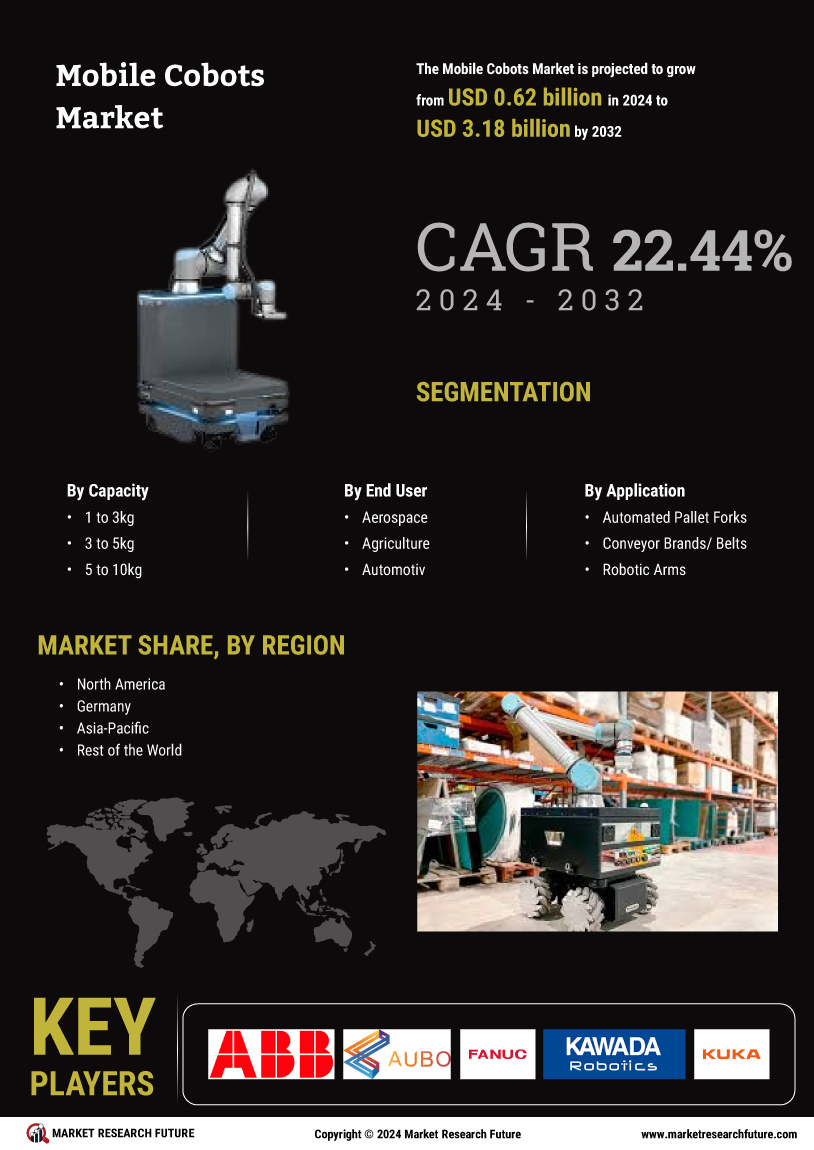
  • The logistics sector is rapidly adopting solutions from the Mobile Cobots Market to improve efficiency and reduce costs. Cobots are transforming how goods are transported and managed within warehouses, enabling faster and more accurate order fulfillment. For more details on this sector, visit Mobile Cobots Market.

    In logistics, mobile cobots can assist with tasks such as inventory management, picking, and packing, significantly reducing the time it takes to move products through the supply chain. These robots are designed to navigate complex warehouse environments autonomously, using advanced sensors and mapping technologies to avoid obstacles and optimize their routes. This capability allows them to operate efficiently in busy settings where human workers are also present.

    One of the primary applications of mobile cobots in logistics is inventory management. Cobots can autonomously scan barcodes and track stock levels in real time, providing accurate and up-to-date information on inventory status. This capability helps reduce errors associated with manual inventory checks and ensures that stock levels are maintained optimally. As a result, companies can avoid stockouts and overstock situations, leading to improved operational efficiency.

    Mobile cobots also play a crucial role in order fulfillment. They can assist with picking and packing tasks by retrieving items from shelves and preparing them for shipment. By automating these processes, companies can significantly speed up order processing times and enhance customer satisfaction. For instance, in e-commerce fulfillment centers, mobile cobots can quickly pick items from various locations, reducing the time it takes to prepare orders for delivery.

    The integration of mobile cobots into logistics operations can lead to cost savings as well. By automating repetitive tasks, companies can reduce labor costs associated with manual handling. Additionally, the increased efficiency achieved through the use of cobots can lead to higher throughput and improved profitability. Companies that have adopted mobile cobots in their logistics operations often report favorable returns on investment within a short period.

    Despite the many advantages, the successful implementation of mobile cobots in logistics requires careful planning and consideration. Companies must assess their existing workflows and identify areas where cobots can add value. Engaging employees in the process and providing adequate training is essential for ensuring a smooth transition to a more automated environment. Addressing potential concerns about job displacement and emphasizing the collaborative nature of cobots can foster a positive attitude toward automation.

    Looking ahead, the future of mobile cobots in logistics appears promising. As technology continues to advance, we can expect further innovations that enhance the capabilities of these robots. The integration of AI and machine learning will enable mobile cobots to learn from their environments and improve their performance over time. Additionally, the expansion of mobile cobots into new logistics sectors will create new opportunities for growth and development.
    sector.@https://www.marketresearchfuture.com/reports/mobile-cobots-market-10806
    The logistics sector is rapidly adopting solutions from the Mobile Cobots Market to improve efficiency and reduce costs. Cobots are transforming how goods are transported and managed within warehouses, enabling faster and more accurate order fulfillment. For more details on this sector, visit Mobile Cobots Market. In logistics, mobile cobots can assist with tasks such as inventory management, picking, and packing, significantly reducing the time it takes to move products through the supply chain. These robots are designed to navigate complex warehouse environments autonomously, using advanced sensors and mapping technologies to avoid obstacles and optimize their routes. This capability allows them to operate efficiently in busy settings where human workers are also present. One of the primary applications of mobile cobots in logistics is inventory management. Cobots can autonomously scan barcodes and track stock levels in real time, providing accurate and up-to-date information on inventory status. This capability helps reduce errors associated with manual inventory checks and ensures that stock levels are maintained optimally. As a result, companies can avoid stockouts and overstock situations, leading to improved operational efficiency. Mobile cobots also play a crucial role in order fulfillment. They can assist with picking and packing tasks by retrieving items from shelves and preparing them for shipment. By automating these processes, companies can significantly speed up order processing times and enhance customer satisfaction. For instance, in e-commerce fulfillment centers, mobile cobots can quickly pick items from various locations, reducing the time it takes to prepare orders for delivery. The integration of mobile cobots into logistics operations can lead to cost savings as well. By automating repetitive tasks, companies can reduce labor costs associated with manual handling. Additionally, the increased efficiency achieved through the use of cobots can lead to higher throughput and improved profitability. Companies that have adopted mobile cobots in their logistics operations often report favorable returns on investment within a short period. Despite the many advantages, the successful implementation of mobile cobots in logistics requires careful planning and consideration. Companies must assess their existing workflows and identify areas where cobots can add value. Engaging employees in the process and providing adequate training is essential for ensuring a smooth transition to a more automated environment. Addressing potential concerns about job displacement and emphasizing the collaborative nature of cobots can foster a positive attitude toward automation. Looking ahead, the future of mobile cobots in logistics appears promising. As technology continues to advance, we can expect further innovations that enhance the capabilities of these robots. The integration of AI and machine learning will enable mobile cobots to learn from their environments and improve their performance over time. Additionally, the expansion of mobile cobots into new logistics sectors will create new opportunities for growth and development. sector.@https://www.marketresearchfuture.com/reports/mobile-cobots-market-10806
    WWW.MARKETRESEARCHFUTURE.COM
    Mobile Cobots Market Size, Trends, Industry Report - 2035
    Mobile Cobots Market is Estimated to Reach USD 5.75 Billion By 2035, Growing at a CAGR of 22.44% During 2025 - 2035 | Driven By Advancements In Automation, Demand For
    πŸ‘οΈ 0 | πŸ’° Rs 0.00
    0 Commenti 0 condivisioni
    0 Anteprima

  • Small steps every day lead to big dreams ✨
    #DailyMotivation #PositiveVibes #KeepGoing
    Small steps every day lead to big dreams ✨ #DailyMotivation #PositiveVibes #KeepGoing
    πŸ‘οΈ 0 | πŸ’° Rs 0.00
    0 Commenti 0 condivisioni
    0 Anteprima

Freecave – Social Media Platform https://freecave.net