



• The Instant Freezer Market’s CAGR of 8.2%: Top 10 Companies Leading the Charge in 2034
    According to a new report from Intel Market Research, Global Instant Freezer market was valued at USD 1.23 billion in 2025 and is projected to reach USD 2.14 billion by 2034, growing at a CAGR of 8.2% during the forecast period (2026-2034). This growth is driven by increasing demand for frozen convenience foods, stricter food safety regulations, and technological advancements in rapid freezing technologies.
    What is an Instant Freezer?
    Instant Freezers are specialized refrigeration systems designed to rapidly lower product temperatures, minimizing ice crystal formation while preserving quality, texture and nutritional content. These industrial-scale systems utilize advanced freezing technologies including Individual Quick Freezing (IQF), cryogenic freezing, and blast chilling methods.
    The technology is particularly crucial for food processors needing to preserve perishable items like seafood, meat, and prepared meals, while pharmaceutical applications demand ultra-fast freezing for biological samples and temperature-sensitive medications. Modern systems now incorporate IoT monitoring and energy-efficient compressors, representing a significant evolution from traditional freezing methods.
    📥 Download Sample Report: Instant Freezer Market - View in Detailed Research Report
    The Instant Freezer Market’s CAGR of 8.2%: Top 10 Companies Leading the Charge in 2034 According to a new report from Intel Market Research, Global Instant Freezer market was valued at USD 1.23 billion in 2025 and is projected to reach USD 2.14 billion by 2034, growing at a CAGR of 8.2% during the forecast period (2026-2034). This growth is driven by increasing demand for frozen convenience foods, stricter food safety regulations, and technological advancements in rapid freezing technologies. What is an Instant Freezer? Instant Freezers are specialized refrigeration systems designed to rapidly lower product temperatures, minimizing ice crystal formation while preserving quality, texture and nutritional content. These industrial-scale systems utilize advanced freezing technologies including Individual Quick Freezing (IQF), cryogenic freezing, and blast chilling methods. The technology is particularly crucial for food processors needing to preserve perishable items like seafood, meat, and prepared meals, while pharmaceutical applications demand ultra-fast freezing for biological samples and temperature-sensitive medications. Modern systems now incorporate IoT monitoring and energy-efficient compressors, representing a significant evolution from traditional freezing methods. 📥 Download Sample Report: Instant Freezer Market - View in Detailed Research Report
    👁️ 0 | 💰 Rs 0.00
    0 Yorumlar 0 hisse senetleri
    0 önizleme

  • #luxury #items#perfume#highly#re
    #luxury #items#perfume#highly#re
    Love
    1
    👁️ 0 | 💰 Rs 0.00
    0 Yorumlar 0 hisse senetleri
    0 önizleme

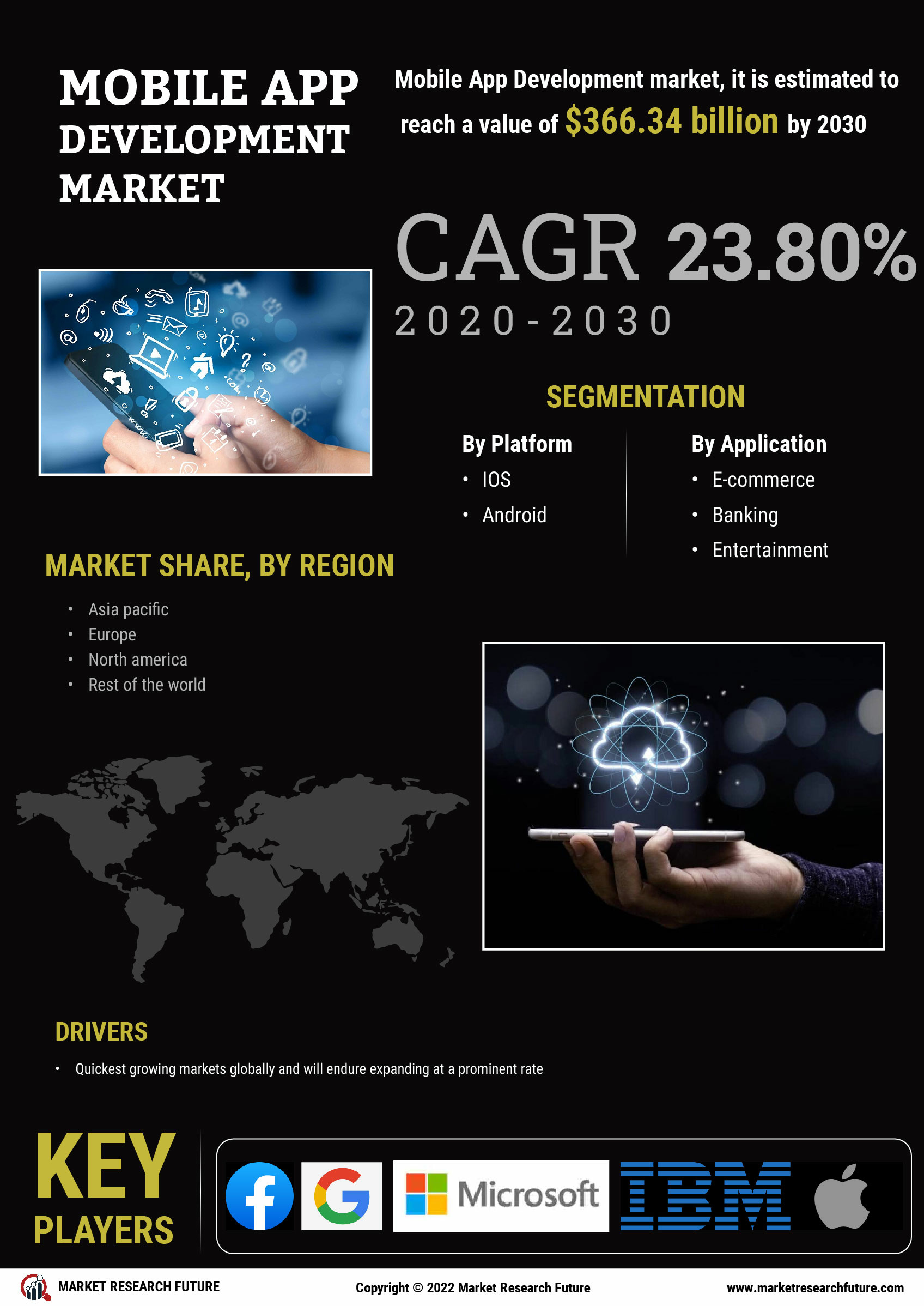
  • Effectively monetizing a mobile app is crucial for its long-term sustainability. This article explores various monetization strategies, including advertising, subscriptions, and in-app purchases, to help developers choose the best approach. The choice of monetization strategy can significantly impact an app's profitability and user experience. Understanding the strengths and weaknesses of each approach is essential for developers aiming to maximize revenue while maintaining user satisfaction.

    Monetization strategies can be broadly categorized into ad-supported, paid, and freemium models. Ad-supported apps generate revenue through advertisements displayed within the app. This model is popular among developers because it allows users to access the app for free, thereby attracting a larger audience. However, excessive ads can lead to a poor user experience, causing users to abandon the app. Striking a balance between ad placement and user experience is critical for success.

    Paid apps require users to pay upfront to download the app. This model can be effective for apps that offer unique features or services that justify the cost. However, the challenge lies in convincing users to make the initial purchase. Marketing strategies, such as offering free trials or limited-time discounts, can help increase downloads. Additionally, maintaining high-quality content and regular updates is essential to retain users and encourage positive reviews.

    The freemium model, which offers basic features for free and charges for premium content, has gained popularity due to its ability to attract a larger user base. This model allows users to experience the app without any financial commitment, increasing the likelihood of downloads. Once users are engaged, developers can encourage them to upgrade to a paid version or make in-app purchases for additional features or content. Successful examples of this model include apps like Spotify and Dropbox, which offer free tiers with the option to upgrade for enhanced functionality.

    In-app purchases are another effective monetization strategy, allowing users to buy virtual goods or additional features within the app. This model is particularly popular in gaming apps, where users can purchase in-game currency, extra lives, or cosmetic items. However, developers must ensure that in-app purchases do not create a pay-to-win environment, as this can alienate users and lead to negative feedback. Balancing the value of in-app purchases with the overall user experience is crucial for maintaining user satisfaction.

    Successful monetization examples include Spotify, which uses a freemium model to attract users and convert them to paid subscribers. The app offers a free version with ads and limited features, while the premium version provides an ad-free experience and additional functionalities. Candy Crush, on the other hand, generates revenue through in-app purchases, offering players the option to buy extra lives and boosts to enhance their gaming experience.

    Selecting the right monetization strategy is essential for maximizing revenue while maintaining a positive user experience. Developers should carefully consider their target audience, app functionality, and market trends when choosing an approach. Additionally, monitoring user feedback and adapting the monetization strategy as needed can help ensure long-term success.

    In conclusion, monetization strategies play a vital role in the sustainability of mobile apps. By understanding the strengths and weaknesses of various approaches, developers can choose the best fit for their applications. A well-planned monetization strategy not only drives revenue but also enhances user engagement and satisfaction. As the mobile app landscape continues to evolve, staying informed about industry trends and user preferences will be crucial for developers looking to succeed in this competitive market.@https://www.marketresearchfuture.com/reports/mobile-app-development-market-1752
    Effectively monetizing a mobile app is crucial for its long-term sustainability. This article explores various monetization strategies, including advertising, subscriptions, and in-app purchases, to help developers choose the best approach. The choice of monetization strategy can significantly impact an app's profitability and user experience. Understanding the strengths and weaknesses of each approach is essential for developers aiming to maximize revenue while maintaining user satisfaction. Monetization strategies can be broadly categorized into ad-supported, paid, and freemium models. Ad-supported apps generate revenue through advertisements displayed within the app. This model is popular among developers because it allows users to access the app for free, thereby attracting a larger audience. However, excessive ads can lead to a poor user experience, causing users to abandon the app. Striking a balance between ad placement and user experience is critical for success. Paid apps require users to pay upfront to download the app. This model can be effective for apps that offer unique features or services that justify the cost. However, the challenge lies in convincing users to make the initial purchase. Marketing strategies, such as offering free trials or limited-time discounts, can help increase downloads. Additionally, maintaining high-quality content and regular updates is essential to retain users and encourage positive reviews. The freemium model, which offers basic features for free and charges for premium content, has gained popularity due to its ability to attract a larger user base. This model allows users to experience the app without any financial commitment, increasing the likelihood of downloads. Once users are engaged, developers can encourage them to upgrade to a paid version or make in-app purchases for additional features or content. Successful examples of this model include apps like Spotify and Dropbox, which offer free tiers with the option to upgrade for enhanced functionality. In-app purchases are another effective monetization strategy, allowing users to buy virtual goods or additional features within the app. This model is particularly popular in gaming apps, where users can purchase in-game currency, extra lives, or cosmetic items. However, developers must ensure that in-app purchases do not create a pay-to-win environment, as this can alienate users and lead to negative feedback. Balancing the value of in-app purchases with the overall user experience is crucial for maintaining user satisfaction. Successful monetization examples include Spotify, which uses a freemium model to attract users and convert them to paid subscribers. The app offers a free version with ads and limited features, while the premium version provides an ad-free experience and additional functionalities. Candy Crush, on the other hand, generates revenue through in-app purchases, offering players the option to buy extra lives and boosts to enhance their gaming experience. Selecting the right monetization strategy is essential for maximizing revenue while maintaining a positive user experience. Developers should carefully consider their target audience, app functionality, and market trends when choosing an approach. Additionally, monitoring user feedback and adapting the monetization strategy as needed can help ensure long-term success. In conclusion, monetization strategies play a vital role in the sustainability of mobile apps. By understanding the strengths and weaknesses of various approaches, developers can choose the best fit for their applications. A well-planned monetization strategy not only drives revenue but also enhances user engagement and satisfaction. As the mobile app landscape continues to evolve, staying informed about industry trends and user preferences will be crucial for developers looking to succeed in this competitive market.@https://www.marketresearchfuture.com/reports/mobile-app-development-market-1752
    WWW.MARKETRESEARCHFUTURE.COM
    Mobile App Development Market Size, Trends, Global Report - 2035
    Mobile App Development Market is Estimated to Grow USD 988.5 Billion By 2035, Reaching at a CAGR of 23.80% During the Forecast Period 2025 - 2035 | Advances Propels Market
    👁️ 0 | 💰 Rs 0.00
    0 Yorumlar 0 hisse senetleri
    0 önizleme
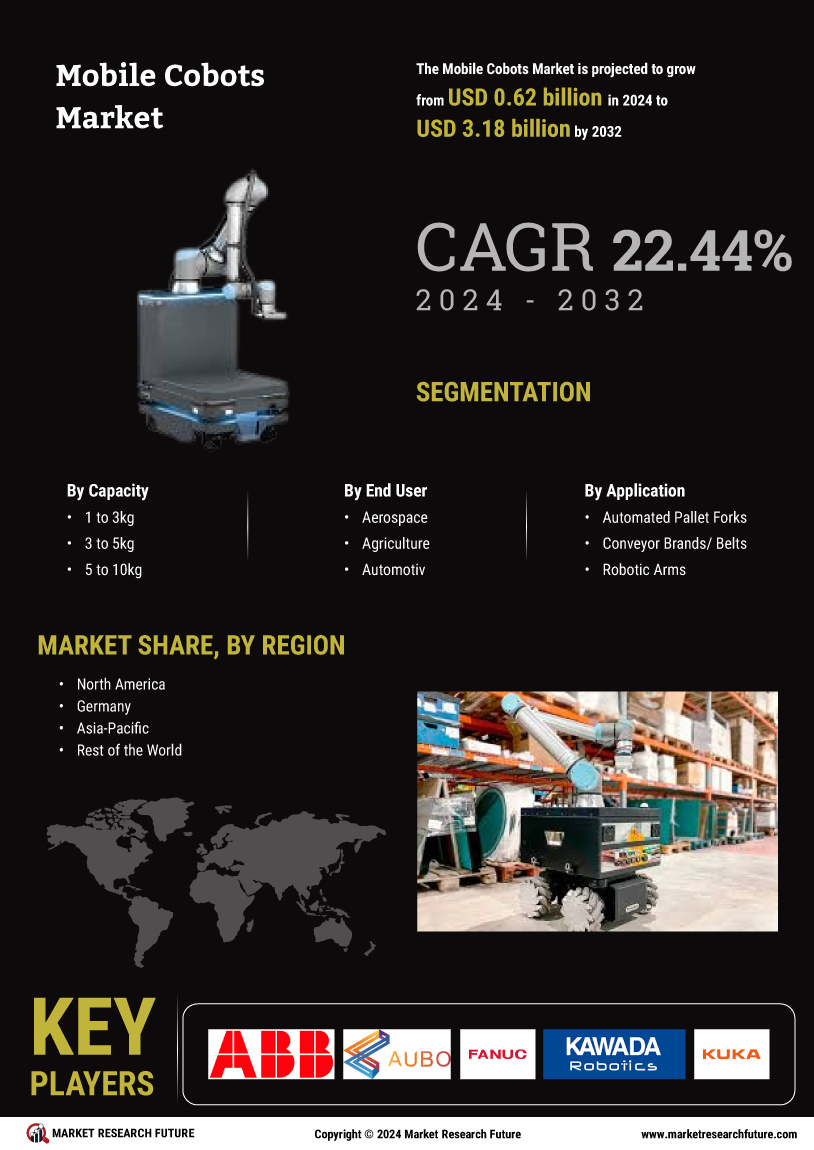
  • The logistics sector is rapidly adopting solutions from the Mobile Cobots Market to improve efficiency and reduce costs. Cobots are transforming how goods are transported and managed within warehouses, enabling faster and more accurate order fulfillment. For more details on this sector, visit Mobile Cobots Market.

    In logistics, mobile cobots can assist with tasks such as inventory management, picking, and packing, significantly reducing the time it takes to move products through the supply chain. These robots are designed to navigate complex warehouse environments autonomously, using advanced sensors and mapping technologies to avoid obstacles and optimize their routes. This capability allows them to operate efficiently in busy settings where human workers are also present.

    One of the primary applications of mobile cobots in logistics is inventory management. Cobots can autonomously scan barcodes and track stock levels in real time, providing accurate and up-to-date information on inventory status. This capability helps reduce errors associated with manual inventory checks and ensures that stock levels are maintained optimally. As a result, companies can avoid stockouts and overstock situations, leading to improved operational efficiency.

    Mobile cobots also play a crucial role in order fulfillment. They can assist with picking and packing tasks by retrieving items from shelves and preparing them for shipment. By automating these processes, companies can significantly speed up order processing times and enhance customer satisfaction. For instance, in e-commerce fulfillment centers, mobile cobots can quickly pick items from various locations, reducing the time it takes to prepare orders for delivery.

    The integration of mobile cobots into logistics operations can lead to cost savings as well. By automating repetitive tasks, companies can reduce labor costs associated with manual handling. Additionally, the increased efficiency achieved through the use of cobots can lead to higher throughput and improved profitability. Companies that have adopted mobile cobots in their logistics operations often report favorable returns on investment within a short period.

    Despite the many advantages, the successful implementation of mobile cobots in logistics requires careful planning and consideration. Companies must assess their existing workflows and identify areas where cobots can add value. Engaging employees in the process and providing adequate training is essential for ensuring a smooth transition to a more automated environment. Addressing potential concerns about job displacement and emphasizing the collaborative nature of cobots can foster a positive attitude toward automation.

    Looking ahead, the future of mobile cobots in logistics appears promising. As technology continues to advance, we can expect further innovations that enhance the capabilities of these robots. The integration of AI and machine learning will enable mobile cobots to learn from their environments and improve their performance over time. Additionally, the expansion of mobile cobots into new logistics sectors will create new opportunities for growth and development.
    sector.@https://www.marketresearchfuture.com/reports/mobile-cobots-market-10806
    The logistics sector is rapidly adopting solutions from the Mobile Cobots Market to improve efficiency and reduce costs. Cobots are transforming how goods are transported and managed within warehouses, enabling faster and more accurate order fulfillment. For more details on this sector, visit Mobile Cobots Market. In logistics, mobile cobots can assist with tasks such as inventory management, picking, and packing, significantly reducing the time it takes to move products through the supply chain. These robots are designed to navigate complex warehouse environments autonomously, using advanced sensors and mapping technologies to avoid obstacles and optimize their routes. This capability allows them to operate efficiently in busy settings where human workers are also present. One of the primary applications of mobile cobots in logistics is inventory management. Cobots can autonomously scan barcodes and track stock levels in real time, providing accurate and up-to-date information on inventory status. This capability helps reduce errors associated with manual inventory checks and ensures that stock levels are maintained optimally. As a result, companies can avoid stockouts and overstock situations, leading to improved operational efficiency. Mobile cobots also play a crucial role in order fulfillment. They can assist with picking and packing tasks by retrieving items from shelves and preparing them for shipment. By automating these processes, companies can significantly speed up order processing times and enhance customer satisfaction. For instance, in e-commerce fulfillment centers, mobile cobots can quickly pick items from various locations, reducing the time it takes to prepare orders for delivery. The integration of mobile cobots into logistics operations can lead to cost savings as well. By automating repetitive tasks, companies can reduce labor costs associated with manual handling. Additionally, the increased efficiency achieved through the use of cobots can lead to higher throughput and improved profitability. Companies that have adopted mobile cobots in their logistics operations often report favorable returns on investment within a short period. Despite the many advantages, the successful implementation of mobile cobots in logistics requires careful planning and consideration. Companies must assess their existing workflows and identify areas where cobots can add value. Engaging employees in the process and providing adequate training is essential for ensuring a smooth transition to a more automated environment. Addressing potential concerns about job displacement and emphasizing the collaborative nature of cobots can foster a positive attitude toward automation. Looking ahead, the future of mobile cobots in logistics appears promising. As technology continues to advance, we can expect further innovations that enhance the capabilities of these robots. The integration of AI and machine learning will enable mobile cobots to learn from their environments and improve their performance over time. Additionally, the expansion of mobile cobots into new logistics sectors will create new opportunities for growth and development. sector.@https://www.marketresearchfuture.com/reports/mobile-cobots-market-10806
    WWW.MARKETRESEARCHFUTURE.COM
    Mobile Cobots Market Size, Trends, Industry Report - 2035
    Mobile Cobots Market is Estimated to Reach USD 5.75 Billion By 2035, Growing at a CAGR of 22.44% During 2025 - 2035 | Driven By Advancements In Automation, Demand For
    👁️ 0 | 💰 Rs 0.00
    0 Yorumlar 0 hisse senetleri
    0 önizleme
Freecave – Social Media Platform https://freecave.net