• Polyglycol Dialkyl Ethers Market Forecast 2034: Growth Trends, CAGR Insights & Future Opportunities

    Global Polyglycol Dialkyl Ethers Market was valued at USD million in 2026 and is projected to reach USD million by 2034, at a CAGR of % during the forecast period.

    Download FREE Sample Report: https://www.24chemicalresearch.com/download-sample/275841/global-polyglycol-dialkyl-ethers-market-2024-978


    #ChemicalMarket #SpecialtyChemicals #GlobalChemicalIndustry #MarketForecast #CAGR #MarketGrowth #IndustryTrends
    Polyglycol Dialkyl Ethers Market Forecast 2034: Growth Trends, CAGR Insights & Future Opportunities Global Polyglycol Dialkyl Ethers Market was valued at USD million in 2026 and is projected to reach USD million by 2034, at a CAGR of % during the forecast period. Download FREE Sample Report: https://www.24chemicalresearch.com/download-sample/275841/global-polyglycol-dialkyl-ethers-market-2024-978 #ChemicalMarket #SpecialtyChemicals #GlobalChemicalIndustry #MarketForecast #CAGR #MarketGrowth #IndustryTrends
    Sample Report: Global Polyglycol Dialkyl Ethers Market Research Report 2026(Status and Outlook)
    Download Sample Report PDF : Global Polyglycol Dialkyl Ethers market was valued at USD million in 2023 and is projected to reach USD million by 2030, at a CAGR of % during forecast period.
    👁️ 0 | 💰 Rs 0.00
    0 Commentarii 0 Distribuiri
    0 previzualizare
  • Rising Demand in Solar Energy and Semiconductors Fuels Global 11N Polysilicon Market Growth

    Global 11N Polysilicon market is experiencing robust expansion, with emerging applications in solar energy and semiconductor sectors driving unprecedented demand. Valued at USD 8.45 billion in 2026, the market is projected to grow at a CAGR of 9.2% through 2034, according to recent industry analysis.

    Download FREE Sample Report: https://www.24chemicalresearch.com/download-sample/276918/global-n-polysilicon-market-2024-686

    #PolysiliconMarket
    #ChipManufacturing
    #MarketGrowth
    #IndustryAnalysis
    #GlobalMarketTrends
    #FutureOfEnergy
    Rising Demand in Solar Energy and Semiconductors Fuels Global 11N Polysilicon Market Growth Global 11N Polysilicon market is experiencing robust expansion, with emerging applications in solar energy and semiconductor sectors driving unprecedented demand. Valued at USD 8.45 billion in 2026, the market is projected to grow at a CAGR of 9.2% through 2034, according to recent industry analysis. Download FREE Sample Report: https://www.24chemicalresearch.com/download-sample/276918/global-n-polysilicon-market-2024-686 #PolysiliconMarket #ChipManufacturing #MarketGrowth #IndustryAnalysis #GlobalMarketTrends #FutureOfEnergy
    Sample Report: Global 11N Polysilicon Market Research Report 2026(Status and Outlook)
    Download Sample Report PDF : Global 11N Polysilicon market was valued at USD million in 2023 and is projected to reach USD million by 2030, at a CAGR of % during the forecast period.
    👁️ 0 | 💰 Rs 0.00
    0 Commentarii 0 Distribuiri
    0 previzualizare
  • As the restaurant POS systems market continues to grow, restaurant owners face the challenge of selecting the right POS system for their needs. With numerous options available, it is essential to compare the top contenders in the market to make an informed decision@https://www.marketresearchfuture.com/reports/restaurant-pos-systems-market-21747
    As the restaurant POS systems market continues to grow, restaurant owners face the challenge of selecting the right POS system for their needs. With numerous options available, it is essential to compare the top contenders in the market to make an informed decision@https://www.marketresearchfuture.com/reports/restaurant-pos-systems-market-21747
    WWW.MARKETRESEARCHFUTURE.COM
    Restaurant POS Systems Market Size, Share | Report [2035]
    Restaurant POS Systems Market is expected to reach USD 30.48 Billion at a CAGR of 8.60% by 2035, Global Restaurant POS Systems Industry Analysis by Deployment Type, Component, End User, Payment Method, Regional
    👁️ 0 | 💰 Rs 0.00
    0 Commentarii 0 Distribuiri
    0 previzualizare
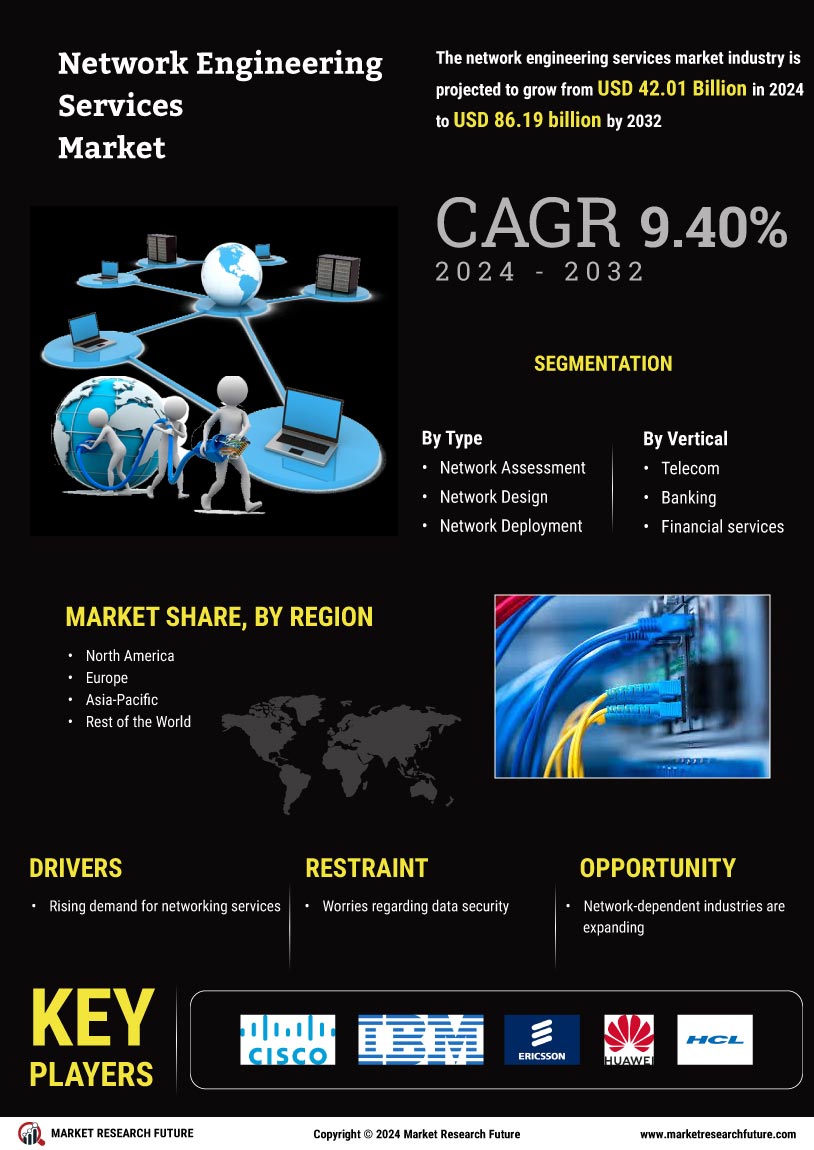
  • The Network Engineering Services Market is characterized by a range of costs associated with various services, making it essential for organizations to conduct a thorough cost analysis before engaging with service providers@https://www.marketresearchfuture.com/reports/network-engineering-services-market-11087
    The Network Engineering Services Market is characterized by a range of costs associated with various services, making it essential for organizations to conduct a thorough cost analysis before engaging with service providers@https://www.marketresearchfuture.com/reports/network-engineering-services-market-11087
    WWW.MARKETRESEARCHFUTURE.COM
    Network Engineering Services Market Report Size, Share & Trend 2035
    Network Engineering Services Market is predicted to grow USD 112.88 Billion at a CAGR of 9.40% by 2035 due to Rising demand for networking services
    👁️ 0 | 💰 Rs 0.00
    0 Commentarii 0 Distribuiri
    0 previzualizare
  • Armodafinil Market to Grow at a CAGR of 7.8% from 2026 to 2034 – Key Players to Watch
    According to a new report from Intel Market Research, Global Armodafinil market was valued at USD 1.45 billion in 2026 and is projected to grow from USD 1.58 billion in 2026 to USD 2.75 billion by 2034, growing at a CAGR of 7.8% during the forecast period. This growth is fueled by rising sleep disorder prevalence, expanding off-label cognitive enhancement use, and strategic pharmaceutical sector developments.
    What is Armodafinil?
    Armodafinil (brand name Nuvigil) represents a significant advancement in wakefulness-promoting agents as the (R)-enantiomer of racemic modafinil. This enantiopure formulation offers enhanced pharmacokinetics with longer duration of action compared to its predecessor, making it particularly valuable for managing excessive daytime sleepiness associated with narcolepsy, obstructive sleep apnea, and shift work disorder.
    📥 Download Sample PDF: Armodafinil Market - View in Detailed Research Report
    📥 Download Sample Report: https://www.intelmarketresearch.com/download-free-sample/34975/armodafinil-market
    This comprehensive report delivers crucial market intelligence, analyzing everything from macroeconomic influences to micro-level competitive dynamics within the Armodafinil sector. It provides stakeholders with actionable insights into value chain optimization, SWOT evaluations, and emerging niche markets that could shape future growth trajectories.
    Key Market Drivers
    1. Rising Global Burden of Sleep Disorders
    The increasing prevalence of conditions like narcolepsy (affecting approximately 1 in 2,000 people) and obstructive sleep apnea (impacting nearly 1 billion adults worldwide) continues to drive substantial demand for effective pharmacological interventions. Armodafinil's favorable safety profile compared to traditional stimulants positions it as a preferred therapeutic option among sleep specialists.
    2. Cognitive Enhancement Applications
    Beyond approved indications, Armodafinil has gained significant traction in nootropic circles for off-label cognitive enhancement. Professionals across knowledge-intensive industries and students in competitive academic environments increasingly utilize its wakefulness-promoting properties to maintain focus during extended work periods. This trend is particularly pronounced in North America and Europe, where performance optimization is highly valued.
    Market Challenges
    Regulatory Classification as Schedule IV Substance - Controlled substance status creates prescription barriers and monitoring requirements that limit market accessibility in many regions.
    Generic Competition Erosion - With generic formulations capturing over 60% of the market in key regions, brand premium pricing strategies face increasing pressure.
    Side Effect Limitations - While generally well-tolerated, some patients experience headaches (15%), nausea (8%), or insomnia (12%), potentially affecting medication adherence.
    Emerging Market Opportunities
    The global landscape presents several high-potential growth avenues:
    Therapeutic Expansion - Investigating Armodafinil's efficacy in attention deficit disorders and chronic fatigue syndromes could open new patient populations.
    Formulation Innovations - Extended-release and transdermal delivery systems in development may enhance patient convenience and compliance.
    Emerging Market Penetration - Improving healthcare infrastructure in Asia-Pacific and Latin America creates access opportunities for over 1.5 billion potential patients.
    📥 Download Sample PDF: Armodafinil Market - View in Detailed Research Report
    Armodafinil Market to Grow at a CAGR of 7.8% from 2026 to 2034 – Key Players to Watch According to a new report from Intel Market Research, Global Armodafinil market was valued at USD 1.45 billion in 2026 and is projected to grow from USD 1.58 billion in 2026 to USD 2.75 billion by 2034, growing at a CAGR of 7.8% during the forecast period. This growth is fueled by rising sleep disorder prevalence, expanding off-label cognitive enhancement use, and strategic pharmaceutical sector developments. What is Armodafinil? Armodafinil (brand name Nuvigil) represents a significant advancement in wakefulness-promoting agents as the (R)-enantiomer of racemic modafinil. This enantiopure formulation offers enhanced pharmacokinetics with longer duration of action compared to its predecessor, making it particularly valuable for managing excessive daytime sleepiness associated with narcolepsy, obstructive sleep apnea, and shift work disorder. 📥 Download Sample PDF: Armodafinil Market - View in Detailed Research Report 📥 Download Sample Report: https://www.intelmarketresearch.com/download-free-sample/34975/armodafinil-market This comprehensive report delivers crucial market intelligence, analyzing everything from macroeconomic influences to micro-level competitive dynamics within the Armodafinil sector. It provides stakeholders with actionable insights into value chain optimization, SWOT evaluations, and emerging niche markets that could shape future growth trajectories. Key Market Drivers 1. Rising Global Burden of Sleep Disorders The increasing prevalence of conditions like narcolepsy (affecting approximately 1 in 2,000 people) and obstructive sleep apnea (impacting nearly 1 billion adults worldwide) continues to drive substantial demand for effective pharmacological interventions. Armodafinil's favorable safety profile compared to traditional stimulants positions it as a preferred therapeutic option among sleep specialists. 2. Cognitive Enhancement Applications Beyond approved indications, Armodafinil has gained significant traction in nootropic circles for off-label cognitive enhancement. Professionals across knowledge-intensive industries and students in competitive academic environments increasingly utilize its wakefulness-promoting properties to maintain focus during extended work periods. This trend is particularly pronounced in North America and Europe, where performance optimization is highly valued. Market Challenges Regulatory Classification as Schedule IV Substance - Controlled substance status creates prescription barriers and monitoring requirements that limit market accessibility in many regions. Generic Competition Erosion - With generic formulations capturing over 60% of the market in key regions, brand premium pricing strategies face increasing pressure. Side Effect Limitations - While generally well-tolerated, some patients experience headaches (15%), nausea (8%), or insomnia (12%), potentially affecting medication adherence. Emerging Market Opportunities The global landscape presents several high-potential growth avenues: Therapeutic Expansion - Investigating Armodafinil's efficacy in attention deficit disorders and chronic fatigue syndromes could open new patient populations. Formulation Innovations - Extended-release and transdermal delivery systems in development may enhance patient convenience and compliance. Emerging Market Penetration - Improving healthcare infrastructure in Asia-Pacific and Latin America creates access opportunities for over 1.5 billion potential patients. 📥 Download Sample PDF: Armodafinil Market - View in Detailed Research Report
    👁️ 0 | 💰 Rs 0.00
    0 Commentarii 0 Distribuiri
    0 previzualizare
  • The Field Programmable Gate Array Market presents numerous investment opportunities as the demand for FPGAs continues to grow. Venture capital investments in FPGA startups have increased@https://www.marketresearchfuture.com/reports/field-programmable-gate-array-market-1019
    The Field Programmable Gate Array Market presents numerous investment opportunities as the demand for FPGAs continues to grow. Venture capital investments in FPGA startups have increased@https://www.marketresearchfuture.com/reports/field-programmable-gate-array-market-1019
    WWW.MARKETRESEARCHFUTURE.COM
    Field Programmable Gate Array Market Size, Share | Report 2035
    Field Programmable Gate Array Market is expected to grow at 9.13% CAGR, reaching $37.5 Billion by 2035, driven by advancements in AI, IoT, and telecommunications
    👁️ 0 | 💰 Rs 0.00
    0 Commentarii 0 Distribuiri
    0 previzualizare
  • High Pressure Processing Market Growth Driven by Clean Label Food Demand
    https://www.marketresearchfuture.com/reports/high-pressure-processing-market-23181

    With a projected High Pressure Processing Market growth trajectory that indicates an expansion from USD 22.3 billion in 2022 to an astounding USD 76.77 billion by 2035, the market is experiencing a significant transformation. This surge, anticipated at a compound annual growth rate (CAGR) of 9.23%, is driven by increasing consumer demand for health-conscious food options and heightened awareness regarding food safety and quality.

    Industry leaders like Hiperbaric (ES), Thyssenkrupp (DE), and FresherTech (US) are pivotal in shaping the High Pressure Processing Market. Hiperbaric continues to innovate with advanced HPP systems designed to enhance food preservation. Thyssenkrupp leverages its extensive manufacturing capabilities to optimize equipment for various food applications. FresherTech is focusing its efforts on providing solutions that meet the rising standards of health-conscious consumers. These companies represent a blend of tradition and innovation that defines the current market landscape.

    The growth forecast for the High Pressure Processing Market is influenced by multiple factors, including the increasing demand for ready-to-eat food options and the trend towards organic products. This shift necessitates the implementation of preservation methods that align with consumer preferences for clean and natural ingredients. However, challenges such as initial investment costs and the need for widespread industry education about HPP processes can impede growth. Addressing these challenges presents a rich field of opportunity for those willing to innovate and adapt.

    Regionally, the North American market remains the largest for high pressure processing, primarily due to stringent food safety regulations and a health-conscious consumer base. In contrast, the Asia-Pacific region is rapidly emerging as the fastest-growing market, fueled by rising disposable incomes and increasing consumer knowledge about food safety. This trend highlights the adaptive nature of consumers who are increasingly prioritizing health and quality in their food choices.

    The High Pressure Processing Market growth reveals several opportunities and dynamics that industry stakeholders should consider. The ongoing demand for clean label products and organic foods creates a favorable market environment for HPP technologies. Additionally, the pharmaceuticals segment is growing swiftly, contributing to the diversification of market applications. Companies must position themselves to capture these trends by innovating and offering differentiated products that resonate with changing consumer expectations.

    As we look to the future, the High Pressure Processing Market growth is expected to accelerate, with projections indicating a rise to USD 76.77 billion by 2035. This will be driven by evolving consumer preferences, regulatory advancements, and technological innovations. Companies that can stay ahead of these trends will be best equipped to navigate the competitive landscape. The High Pressure Processing Market continues to evolve, creating a multitude of opportunities for forward-thinking businesses.

    AI Impact Analysis

    The influence of AI and machine learning on the High Pressure Processing Market is becoming increasingly prominent. Companies are employing these technologies to streamline operations, enhance product development, and improve quality control processes. By harnessing the capabilities of AI, businesses can adapt quickly to changing consumer demands and optimize their processing techniques, thereby retaining a competitive edge in the marketplace.

    Frequently Asked Questions
    What is driving the growth of the High Pressure Processing Market?
    The growth of the High Pressure Processing Market is primarily driven by the rising demand for safe, minimally processed food products and the increasing consumer preference for organic and clean label options. Technological advancements in food processing methods also play a significant role.
    Which regions dominate the High Pressure Processing Market?
    North America currently leads the High Pressure Processing Market due to stringent food safety regulations and a health-conscious consumer demographic, while the Asia-Pacific region is the fastest-growing segment, driven by rising awareness and disposable incomes.
    High Pressure Processing Market Growth Driven by Clean Label Food Demand https://www.marketresearchfuture.com/reports/high-pressure-processing-market-23181 With a projected High Pressure Processing Market growth trajectory that indicates an expansion from USD 22.3 billion in 2022 to an astounding USD 76.77 billion by 2035, the market is experiencing a significant transformation. This surge, anticipated at a compound annual growth rate (CAGR) of 9.23%, is driven by increasing consumer demand for health-conscious food options and heightened awareness regarding food safety and quality. Industry leaders like Hiperbaric (ES), Thyssenkrupp (DE), and FresherTech (US) are pivotal in shaping the High Pressure Processing Market. Hiperbaric continues to innovate with advanced HPP systems designed to enhance food preservation. Thyssenkrupp leverages its extensive manufacturing capabilities to optimize equipment for various food applications. FresherTech is focusing its efforts on providing solutions that meet the rising standards of health-conscious consumers. These companies represent a blend of tradition and innovation that defines the current market landscape. The growth forecast for the High Pressure Processing Market is influenced by multiple factors, including the increasing demand for ready-to-eat food options and the trend towards organic products. This shift necessitates the implementation of preservation methods that align with consumer preferences for clean and natural ingredients. However, challenges such as initial investment costs and the need for widespread industry education about HPP processes can impede growth. Addressing these challenges presents a rich field of opportunity for those willing to innovate and adapt. Regionally, the North American market remains the largest for high pressure processing, primarily due to stringent food safety regulations and a health-conscious consumer base. In contrast, the Asia-Pacific region is rapidly emerging as the fastest-growing market, fueled by rising disposable incomes and increasing consumer knowledge about food safety. This trend highlights the adaptive nature of consumers who are increasingly prioritizing health and quality in their food choices. The High Pressure Processing Market growth reveals several opportunities and dynamics that industry stakeholders should consider. The ongoing demand for clean label products and organic foods creates a favorable market environment for HPP technologies. Additionally, the pharmaceuticals segment is growing swiftly, contributing to the diversification of market applications. Companies must position themselves to capture these trends by innovating and offering differentiated products that resonate with changing consumer expectations. As we look to the future, the High Pressure Processing Market growth is expected to accelerate, with projections indicating a rise to USD 76.77 billion by 2035. This will be driven by evolving consumer preferences, regulatory advancements, and technological innovations. Companies that can stay ahead of these trends will be best equipped to navigate the competitive landscape. The High Pressure Processing Market continues to evolve, creating a multitude of opportunities for forward-thinking businesses. AI Impact Analysis The influence of AI and machine learning on the High Pressure Processing Market is becoming increasingly prominent. Companies are employing these technologies to streamline operations, enhance product development, and improve quality control processes. By harnessing the capabilities of AI, businesses can adapt quickly to changing consumer demands and optimize their processing techniques, thereby retaining a competitive edge in the marketplace. Frequently Asked Questions What is driving the growth of the High Pressure Processing Market? The growth of the High Pressure Processing Market is primarily driven by the rising demand for safe, minimally processed food products and the increasing consumer preference for organic and clean label options. Technological advancements in food processing methods also play a significant role. Which regions dominate the High Pressure Processing Market? North America currently leads the High Pressure Processing Market due to stringent food safety regulations and a health-conscious consumer demographic, while the Asia-Pacific region is the fastest-growing segment, driven by rising awareness and disposable incomes.
    WWW.MARKETRESEARCHFUTURE.COM
    High Pressure Processing Market Size, Growth Drivers 2035
    High Pressure Processing Market is projected to reach USD 76.77 Billion, at a 9.23% CAGR by driving industry size, share, top company analysis, segments research, trends and forecast report 2025 to 2035.
    👁️ 0 | 💰 Rs 0.00
    0 Commentarii 0 Distribuiri
    0 previzualizare
  • Conveying Equipment Market Growth Driven by Industrial Automation
    https://www.marketresearchfuture.com/reports/conveying-equipment-market-23049

    The continuing evolution of the Conveying Equipment Market Growth indicates promising prospects, with an expected market size of $121.46 million by 2025. This anticipated expansion is supported by increasing investments in automation technologies and an unwavering focus on operational efficiencies. The market is projected to experience a CAGR of 5.43%, reflecting the adaptability and resilience of the sector amidst dynamic industry trends.

    Industry leaders like Honeywell (US), FLSmidth (DK), and Thyssenkrupp (DE) are instrumental in steering the market's growth. Honeywell capitalizes on its automation capabilities to enhance the efficiency of material handling systems, while FLSmidth focuses on sector-specific solutions for heavy industries. Thyssenkrupp contributes significantly to the market with innovative engineering solutions, addressing diverse operational needs across industries. The collaborative efforts of these companies are shaping the overall market environment.

    Market growth is driven by various factors, including the increased demand for efficient material handling solutions due to the rise of e-commerce and automation in manufacturing processes. Companies are urged to adopt innovative technologies that streamline operations while managing challenges such as high costs associated with adopting new systems. The necessity for businesses to balance technological investments with operational efficiency is crucial for sustained growth in this market.

    In terms of regional dynamics, North America leads the market, bolstered by heavy investments in automation and manufacturing technologies. The Asia-Pacific region is rapidly emerging as a growth center, with significant infrastructural advancements and an increasing demand for high-capacity conveying solutions. The shift towards automation in these regions is expected to drive market growth significantly.

    The landscape offers numerous opportunities for enhancing growth within the conveying equipment market. Companies focusing on sustainable practices and innovative technologies are well-positioned to capture market share. The integration of AI and IoT is also enhancing operational efficiencies, offering businesses the ability to optimize supply chain processes and improve overall productivity.

    As the industry progresses, the Conveying Equipment Market is set to evolve, with projections suggesting continued growth driven by technological advancements. Changes in consumer behavior and operational needs will likely contribute to shaping the market landscape through 2032.

    AI Impact Analysis

    The role of AI in the conveying equipment market is becoming increasingly pronounced, with organizations leveraging machine learning algorithms to enhance operational efficiencies. AI-driven systems can analyze data patterns to forecast maintenance needs, thereby minimizing downtime and optimizing resource allocation.

    Frequently Asked Questions
    What main trends are influencing Conveying Equipment Market Growth?
    Key trends include the rise of e-commerce, increased automation in manufacturing processes, and a strong emphasis on sustainability. These factors are driving demand for advanced conveying solutions that offer efficiency and adaptability.
    How does regional investment affect market growth?
    Regional investment significantly impacts market growth, particularly in North America and the Asia-Pacific. As investments in automation and infrastructure increase, these regions are better positioned to enhance their conveying systems, thereby driving overall market growth.
    Conveying Equipment Market Growth Driven by Industrial Automation https://www.marketresearchfuture.com/reports/conveying-equipment-market-23049 The continuing evolution of the Conveying Equipment Market Growth indicates promising prospects, with an expected market size of $121.46 million by 2025. This anticipated expansion is supported by increasing investments in automation technologies and an unwavering focus on operational efficiencies. The market is projected to experience a CAGR of 5.43%, reflecting the adaptability and resilience of the sector amidst dynamic industry trends. Industry leaders like Honeywell (US), FLSmidth (DK), and Thyssenkrupp (DE) are instrumental in steering the market's growth. Honeywell capitalizes on its automation capabilities to enhance the efficiency of material handling systems, while FLSmidth focuses on sector-specific solutions for heavy industries. Thyssenkrupp contributes significantly to the market with innovative engineering solutions, addressing diverse operational needs across industries. The collaborative efforts of these companies are shaping the overall market environment. Market growth is driven by various factors, including the increased demand for efficient material handling solutions due to the rise of e-commerce and automation in manufacturing processes. Companies are urged to adopt innovative technologies that streamline operations while managing challenges such as high costs associated with adopting new systems. The necessity for businesses to balance technological investments with operational efficiency is crucial for sustained growth in this market. In terms of regional dynamics, North America leads the market, bolstered by heavy investments in automation and manufacturing technologies. The Asia-Pacific region is rapidly emerging as a growth center, with significant infrastructural advancements and an increasing demand for high-capacity conveying solutions. The shift towards automation in these regions is expected to drive market growth significantly. The landscape offers numerous opportunities for enhancing growth within the conveying equipment market. Companies focusing on sustainable practices and innovative technologies are well-positioned to capture market share. The integration of AI and IoT is also enhancing operational efficiencies, offering businesses the ability to optimize supply chain processes and improve overall productivity. As the industry progresses, the Conveying Equipment Market is set to evolve, with projections suggesting continued growth driven by technological advancements. Changes in consumer behavior and operational needs will likely contribute to shaping the market landscape through 2032. AI Impact Analysis The role of AI in the conveying equipment market is becoming increasingly pronounced, with organizations leveraging machine learning algorithms to enhance operational efficiencies. AI-driven systems can analyze data patterns to forecast maintenance needs, thereby minimizing downtime and optimizing resource allocation. Frequently Asked Questions What main trends are influencing Conveying Equipment Market Growth? Key trends include the rise of e-commerce, increased automation in manufacturing processes, and a strong emphasis on sustainability. These factors are driving demand for advanced conveying solutions that offer efficiency and adaptability. How does regional investment affect market growth? Regional investment significantly impacts market growth, particularly in North America and the Asia-Pacific. As investments in automation and infrastructure increase, these regions are better positioned to enhance their conveying systems, thereby driving overall market growth.
    WWW.MARKETRESEARCHFUTURE.COM
    Conveying Equipment Market Size, Growth, Trends Report 2035
    Conveying Equipment Market is projected to reach USD 206.14 Billion, at a 5.43% CAGR by driving industry size, share, top company analysis, segments research, trends and forecast report 2025 to 2035.
    👁️ 0 | 💰 Rs 0.00
    0 Commentarii 0 Distribuiri
    0 previzualizare
  • Power Distribution Automation Market Growth Driven by Smart Grid Adoption
    https://www.marketresearchfuture.com/reports/power-distribution-automation-market-68268

    As the power distribution automation sector continues to evolve, it is projected to reach a remarkable $21,975.3 million by 2024. This expected growth underscores the increasing reliance on advanced automation solutions by utilities aiming for enhanced operational efficiency. The sustained Power Distribution Automation Market Growth reflects broader transformations within the energy landscape, driven by the need for modernization and sustainability across power distribution systems.

    Industry leaders like ABB, Siemens, Eaton Corporation, GE Vernova, Schneider Electric, Itron, Lucy Electric, Trilliant, Burns & McDonnell, and Hitachi Energy are at the forefront of this growth. These companies are actively engaged in developing cutting-edge technologies to address the complexities of modern power distribution. For instance, Siemens is focused on creating intelligent grid solutions that facilitate renewable energy integration, while GE Vernova is prioritizing sustainable practices in its offerings. Their innovation strategies are pivotal to shaping the market’s future.

    The drivers propelling market growth are diverse and interconnected. One of the most significant factors is the increasing integration of renewable energy sources, which necessitates the deployment of advanced automation solutions capable of managing grid complexity. Additionally, digital transformation is driving utilities to adopt IoT-enabled technologies and analytics, enhancing operational efficiencies. However, challenges such as regulatory compliance and the need for substantial investments present hurdles that companies must navigate to sustain growth. Those that can overcome these obstacles will likely be well-positioned for future success.

    Regionally, North America is set to dominate the power distribution automation market, with projections estimating its value at $21,975.3 million by 2024. This growth is attributed to ongoing investments in grid modernization initiatives. Europe is also focusing on regulatory frameworks that promote sustainability, while Asia-Pacific is experiencing a surge in demand for automation technologies as nations pursue comprehensive energy frameworks and smart city implementations.

    The power distribution automation sector presents numerous opportunities for growth, primarily driven by the increasing focus on renewable energy and digitalization. Utilities are recognizing the value of investing in advanced automation solutions that enhance operational resilience and efficiency. In addition, as regulatory pressures rise, companies that prioritize sustainability and innovative technologies are likely to capture greater market share. This dynamic signals a shift towards more sustainable energy practices across the sector.

    In the long term, the power distribution automation market is forecasted to achieve a significant value of approximately $46,364.1 million by 2035. This projection emphasizes the need for continuous innovation and adaptation to meet evolving customer expectations. As utilities increasingly turn to automation solutions, the Power Distribution Automation Market will play a crucial role in shaping the future of energy management.

    AI Impact Analysis

    Artificial intelligence is becoming an integral part of the power distribution automation landscape, enabling improved data analytics and operational effectiveness. Advanced algorithms can analyze grid data in real-time, facilitating proactive maintenance and operational optimizations. This technological advancement not only enhances grid reliability but also contributes to overall energy efficiency.

    Frequently Asked Questions
    What is driving the growth of the Power Distribution Automation Market?
    The growth of the Power Distribution Automation Market is driven by the increasing demand for renewable energy integration, digital transformation, and the emphasis on sustainability among utilities. Companies are investing in advanced automation technologies to adapt to these changing demands.
    How is the market expected to evolve in the coming years?
    The market is expected to evolve significantly over the coming years, with a projected growth to approximately $46,364.1 million by 2035. This evolution will be shaped by continued investments in innovative solutions that enhance operational efficiency and sustainability in power distribution.

    Power Distribution Automation Market Growth Driven by Smart Grid Adoption https://www.marketresearchfuture.com/reports/power-distribution-automation-market-68268 As the power distribution automation sector continues to evolve, it is projected to reach a remarkable $21,975.3 million by 2024. This expected growth underscores the increasing reliance on advanced automation solutions by utilities aiming for enhanced operational efficiency. The sustained Power Distribution Automation Market Growth reflects broader transformations within the energy landscape, driven by the need for modernization and sustainability across power distribution systems. Industry leaders like ABB, Siemens, Eaton Corporation, GE Vernova, Schneider Electric, Itron, Lucy Electric, Trilliant, Burns & McDonnell, and Hitachi Energy are at the forefront of this growth. These companies are actively engaged in developing cutting-edge technologies to address the complexities of modern power distribution. For instance, Siemens is focused on creating intelligent grid solutions that facilitate renewable energy integration, while GE Vernova is prioritizing sustainable practices in its offerings. Their innovation strategies are pivotal to shaping the market’s future. The drivers propelling market growth are diverse and interconnected. One of the most significant factors is the increasing integration of renewable energy sources, which necessitates the deployment of advanced automation solutions capable of managing grid complexity. Additionally, digital transformation is driving utilities to adopt IoT-enabled technologies and analytics, enhancing operational efficiencies. However, challenges such as regulatory compliance and the need for substantial investments present hurdles that companies must navigate to sustain growth. Those that can overcome these obstacles will likely be well-positioned for future success. Regionally, North America is set to dominate the power distribution automation market, with projections estimating its value at $21,975.3 million by 2024. This growth is attributed to ongoing investments in grid modernization initiatives. Europe is also focusing on regulatory frameworks that promote sustainability, while Asia-Pacific is experiencing a surge in demand for automation technologies as nations pursue comprehensive energy frameworks and smart city implementations. The power distribution automation sector presents numerous opportunities for growth, primarily driven by the increasing focus on renewable energy and digitalization. Utilities are recognizing the value of investing in advanced automation solutions that enhance operational resilience and efficiency. In addition, as regulatory pressures rise, companies that prioritize sustainability and innovative technologies are likely to capture greater market share. This dynamic signals a shift towards more sustainable energy practices across the sector. In the long term, the power distribution automation market is forecasted to achieve a significant value of approximately $46,364.1 million by 2035. This projection emphasizes the need for continuous innovation and adaptation to meet evolving customer expectations. As utilities increasingly turn to automation solutions, the Power Distribution Automation Market will play a crucial role in shaping the future of energy management. AI Impact Analysis Artificial intelligence is becoming an integral part of the power distribution automation landscape, enabling improved data analytics and operational effectiveness. Advanced algorithms can analyze grid data in real-time, facilitating proactive maintenance and operational optimizations. This technological advancement not only enhances grid reliability but also contributes to overall energy efficiency. Frequently Asked Questions What is driving the growth of the Power Distribution Automation Market? The growth of the Power Distribution Automation Market is driven by the increasing demand for renewable energy integration, digital transformation, and the emphasis on sustainability among utilities. Companies are investing in advanced automation technologies to adapt to these changing demands. How is the market expected to evolve in the coming years? The market is expected to evolve significantly over the coming years, with a projected growth to approximately $46,364.1 million by 2035. This evolution will be shaped by continued investments in innovative solutions that enhance operational efficiency and sustainability in power distribution.

    WWW.MARKETRESEARCHFUTURE.COM
    Power Distribution Automation Market Size, Share & Growth Report 2035
    Power Distribution Automation industry is projected to grow from 23,208.7 USD Million in 2025 to 46,364.1 USD Million by 2035, exhibiting a compound annual growth rate (CAGR) of 7.2% during the forecast period 2025 - 2035.
    👁️ 0 | 💰 Rs 0.00
    0 Commentarii 0 Distribuiri
    0 previzualizare
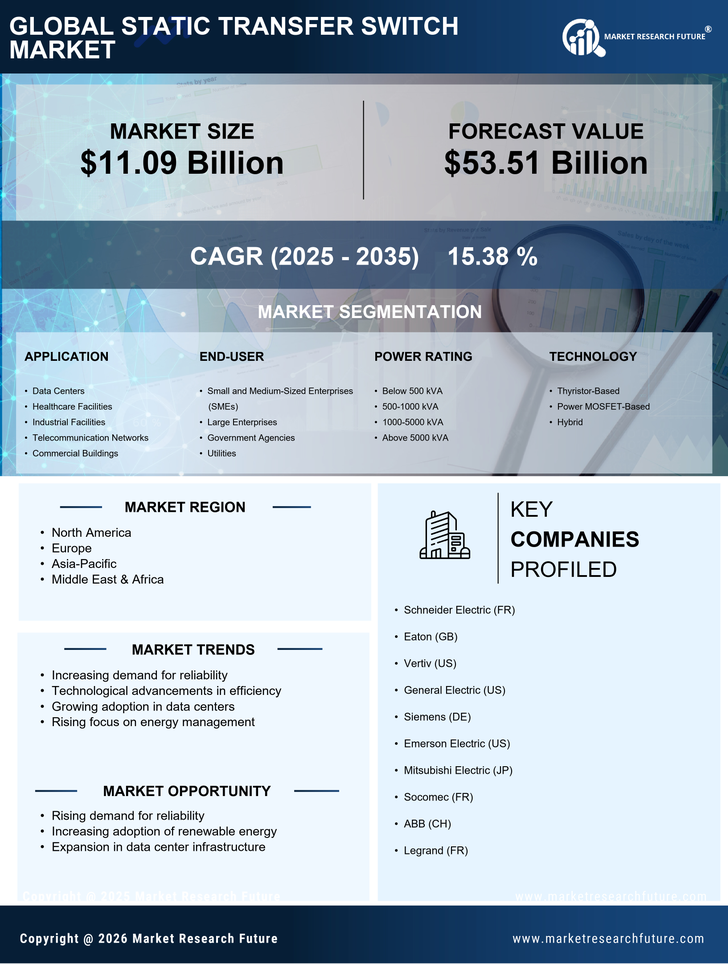
  • Static Transfer Switch Market Growth Driven by Data Center Demand
    https://www.marketresearchfuture.com/reports/static-transfer-switch-market-25361

    The anticipated Static Transfer Switch Market Growth is expected to escalate from 11.09 USD in 2024 to 46.38 USD by 2032, indicating a CAGR of 15.38% over the forecast period. This surge reflects the increasing demand for reliable power systems, particularly in sectors like healthcare and data management. The ongoing evolution in power management technologies underpins this growth trajectory.

    Industry leaders like Schneider Electric (FR), General Electric (US), and Siemens (DE) are instrumental in shaping the Static Transfer Switch Market Growth. Schneider Electric has been aggressively advancing its energy management solutions, while General Electric focuses on developing next-generation systems that address the specific needs of modern infrastructure. Siemens is enhancing its portfolio with innovative switchgear technologies that cater to a wide range of applications across industries.

    The drivers behind the Static Transfer Switch Market Growth are multifaceted, with the predominant factor being the increasing reliance on data centers, which require reliable power to operate effectively. The critical nature of healthcare facilities further amplifies this need, wherein power interruptions can have dire consequences. Despite the high costs associated with initial investments and operational complexities, the gradual adoption of smart technologies and IoT capabilities is expected to mitigate these challenges, paving the way for market expansion.

    From a regional perspective, North America retains its status as the leading market for static transfer switches, primarily due to the high density of data centers and healthcare establishments. However, the Asia-Pacific region is emerging as a significant player, driven by its rapid industrialization and energy demands, with countries like China and India investing heavily in power management infrastructure.

    Opportunities for growth in the market are vast, particularly as industries pivot towards sustainability and energy efficiency. The growing integration of renewable energy sources presents a unique avenue for static transfer switches to play crucial roles in balancing power flows. Furthermore, the demand for enhanced monitoring and automation in power management systems is driving innovations, compelling companies to align their strategies with these emerging dynamics to capture new business opportunities.

    As we look to the future, the Static Transfer Switch Market is on track to achieve a notable expansion, with projections estimating a market size of 53.51 USD by 2034. The ongoing advancements in AI and automation technologies are set to redefine operational standards in power management, ensuring that static transfer switches will remain integral to modern energy solutions. The Static Transfer Switch Market will undoubtedly witness transformative changes...

    AI Impact Analysis

    AI technologies are increasingly influencing the Static Transfer Switch Market, particularly in predictive maintenance and operational efficiency. By leveraging machine learning algorithms, organizations can analyze vast datasets to streamline operations, predict failures, and optimize resource allocation. This level of integration not only enhances efficiency but also ensures that power systems can adapt to real-time demands, thereby improving reliability in critical applications.

    Frequently Asked Questions
    What role do static transfer switches play in data centers?
    Static transfer switches play a crucial role in data centers by ensuring seamless power transitions between different sources. This capability is vital for maintaining uptime and reliability, preventing any disruptions that could compromise operations and data integrity. Their fast response times make them essential for the increasingly demanding power requirements of data-driven environments.
    How does the healthcare sector benefit from static transfer switches?
    The healthcare sector benefits significantly from static transfer switches by ensuring uninterrupted power supply to critical medical equipment. In hospitals, where power failures can pose life-threatening risks, static transfer switches allow for immediate transitions to backup power sources, thereby maintaining essential operations and patient safety.
    Static Transfer Switch Market Growth Driven by Data Center Demand https://www.marketresearchfuture.com/reports/static-transfer-switch-market-25361 The anticipated Static Transfer Switch Market Growth is expected to escalate from 11.09 USD in 2024 to 46.38 USD by 2032, indicating a CAGR of 15.38% over the forecast period. This surge reflects the increasing demand for reliable power systems, particularly in sectors like healthcare and data management. The ongoing evolution in power management technologies underpins this growth trajectory. Industry leaders like Schneider Electric (FR), General Electric (US), and Siemens (DE) are instrumental in shaping the Static Transfer Switch Market Growth. Schneider Electric has been aggressively advancing its energy management solutions, while General Electric focuses on developing next-generation systems that address the specific needs of modern infrastructure. Siemens is enhancing its portfolio with innovative switchgear technologies that cater to a wide range of applications across industries. The drivers behind the Static Transfer Switch Market Growth are multifaceted, with the predominant factor being the increasing reliance on data centers, which require reliable power to operate effectively. The critical nature of healthcare facilities further amplifies this need, wherein power interruptions can have dire consequences. Despite the high costs associated with initial investments and operational complexities, the gradual adoption of smart technologies and IoT capabilities is expected to mitigate these challenges, paving the way for market expansion. From a regional perspective, North America retains its status as the leading market for static transfer switches, primarily due to the high density of data centers and healthcare establishments. However, the Asia-Pacific region is emerging as a significant player, driven by its rapid industrialization and energy demands, with countries like China and India investing heavily in power management infrastructure. Opportunities for growth in the market are vast, particularly as industries pivot towards sustainability and energy efficiency. The growing integration of renewable energy sources presents a unique avenue for static transfer switches to play crucial roles in balancing power flows. Furthermore, the demand for enhanced monitoring and automation in power management systems is driving innovations, compelling companies to align their strategies with these emerging dynamics to capture new business opportunities. As we look to the future, the Static Transfer Switch Market is on track to achieve a notable expansion, with projections estimating a market size of 53.51 USD by 2034. The ongoing advancements in AI and automation technologies are set to redefine operational standards in power management, ensuring that static transfer switches will remain integral to modern energy solutions. The Static Transfer Switch Market will undoubtedly witness transformative changes... AI Impact Analysis AI technologies are increasingly influencing the Static Transfer Switch Market, particularly in predictive maintenance and operational efficiency. By leveraging machine learning algorithms, organizations can analyze vast datasets to streamline operations, predict failures, and optimize resource allocation. This level of integration not only enhances efficiency but also ensures that power systems can adapt to real-time demands, thereby improving reliability in critical applications. Frequently Asked Questions What role do static transfer switches play in data centers? Static transfer switches play a crucial role in data centers by ensuring seamless power transitions between different sources. This capability is vital for maintaining uptime and reliability, preventing any disruptions that could compromise operations and data integrity. Their fast response times make them essential for the increasingly demanding power requirements of data-driven environments. How does the healthcare sector benefit from static transfer switches? The healthcare sector benefits significantly from static transfer switches by ensuring uninterrupted power supply to critical medical equipment. In hospitals, where power failures can pose life-threatening risks, static transfer switches allow for immediate transitions to backup power sources, thereby maintaining essential operations and patient safety.
    WWW.MARKETRESEARCHFUTURE.COM
    Static Transfer Switch Market Size, Growth, Trends Report 2035
    Static Transfer Switch Market projected to reach USD 53.51 Billion, at a CAGR of 15.38% during 2026 to 2035, driven by Integration of advanced automation technologies enhances reliability in the Static Transfer Switch Market.
    👁️ 0 | 💰 Rs 0.00
    0 Commentarii 0 Distribuiri
    0 previzualizare
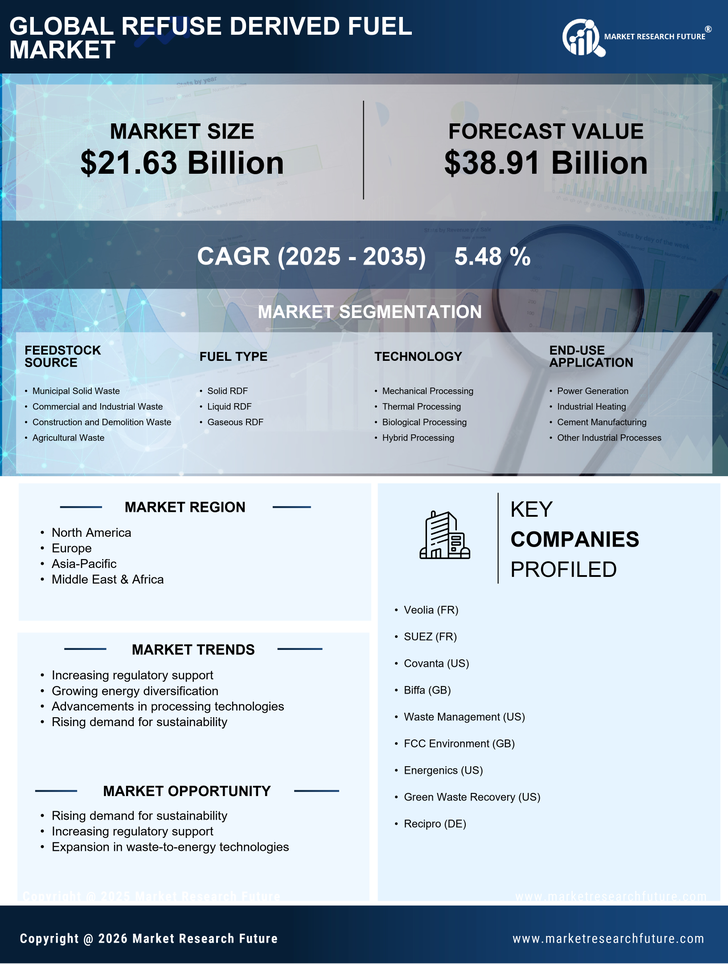
  • Refuse Derived Fuel Market Growth Driven by Circular Economy Initiatives
    https://www.marketresearchfuture.com/reports/refuse-derived-fuel-market-25150

    The Refuse Derived Fuel Market Growth is anticipated to accelerate in the coming years, with projections estimating a market size of USD 38.91 billion by 2035. This growth trajectory, marked by a CAGR of 5.48%, is closely linked to the increasing global shift towards sustainability and the search for renewable energy alternatives, making it a focal point for investors and stakeholders alike.

    Industry leaders like Veolia (FR), SUEZ (FR), and Covanta (US) are pivotal in shaping the refuse-derived fuel market landscape. Their strategic investments in advanced technologies and sustainable practices position them as frontrunners in capturing market opportunities. Additionally, companies like Waste Management (US) and Biffa (GB) are enhancing their operational efficiencies to align better with shifting market dynamics and consumer preferences.

    The key drivers of refuse-derived fuel market growth are manifold. A primary catalyst is the increasing global emphasis on environmental sustainability, prompting industries to seek cleaner energy solutions. Furthermore, regulatory frameworks in North America and Europe are evolving to support renewable energy initiatives, which aids in the adoption of refuse-derived fuels. Conversely, challenges such as fluctuating waste generation rates and varying regulatory climates may hinder market expansion. Rising energy prices also create dual pressures, pushing firms toward alternative fuels while complicating operational costs.

    Regionally, North America is projected to lead the refuse-derived fuel market, with estimates indicating a market size of USD 21.63 billion by 2024. The region's advanced waste management infrastructure and robust regulatory support for renewable energy further solidify its position. In contrast, the Asia-Pacific market is rapidly growing, driven by urbanization and an increasing need for sustainable energy solutions.

    The landscape of opportunities within the refuse-derived fuel market is expanding, driven by advances in technology and increasing regulations favoring waste-to-energy projects. Companies are urged to invest in innovative waste processing technologies that can offer enhanced efficiencies. Moreover, as awareness surrounding climate change grows, businesses aligning their operational strategies with sustainable practices are likely to capitalize on emerging market trends.

    In conclusion, the refuse-derived fuel market is on a promising trajectory, expected to achieve a size of USD 38.91 billion by 2035. Companies must remain vigilant to adapt to changing regulations and technological advancements to maintain competitiveness. The Refuse Derived Fuel Market will continue to experience transformative growth, offering promising opportunities for innovation and investment.

    AI Impact Analysis

    AI technologies are set to revolutionize the refuse-derived fuel market by optimizing waste sorting and enhancing production quality. The application of machine learning and predictive analytics will allow companies to streamline operations and respond proactively to market shifts, ultimately driving efficiency and profitability.

    Frequently Asked Questions
    What is driving growth in the refuse-derived fuel market?
    The refuse-derived fuel market is largely driven by the increasing emphasis on sustainable energy solutions, regulatory support for renewable energy, and rising energy prices, making alternative fuels more appealing to industries.
    How are major players shaping the refuse-derived fuel market?
    Major players like Veolia and Covanta are shaping the refuse-derived fuel market by investing in advanced technologies and sustainable practices, allowing them to capture market opportunities and respond effectively to regulatory changes.
    Refuse Derived Fuel Market Growth Driven by Circular Economy Initiatives https://www.marketresearchfuture.com/reports/refuse-derived-fuel-market-25150 The Refuse Derived Fuel Market Growth is anticipated to accelerate in the coming years, with projections estimating a market size of USD 38.91 billion by 2035. This growth trajectory, marked by a CAGR of 5.48%, is closely linked to the increasing global shift towards sustainability and the search for renewable energy alternatives, making it a focal point for investors and stakeholders alike. Industry leaders like Veolia (FR), SUEZ (FR), and Covanta (US) are pivotal in shaping the refuse-derived fuel market landscape. Their strategic investments in advanced technologies and sustainable practices position them as frontrunners in capturing market opportunities. Additionally, companies like Waste Management (US) and Biffa (GB) are enhancing their operational efficiencies to align better with shifting market dynamics and consumer preferences. The key drivers of refuse-derived fuel market growth are manifold. A primary catalyst is the increasing global emphasis on environmental sustainability, prompting industries to seek cleaner energy solutions. Furthermore, regulatory frameworks in North America and Europe are evolving to support renewable energy initiatives, which aids in the adoption of refuse-derived fuels. Conversely, challenges such as fluctuating waste generation rates and varying regulatory climates may hinder market expansion. Rising energy prices also create dual pressures, pushing firms toward alternative fuels while complicating operational costs. Regionally, North America is projected to lead the refuse-derived fuel market, with estimates indicating a market size of USD 21.63 billion by 2024. The region's advanced waste management infrastructure and robust regulatory support for renewable energy further solidify its position. In contrast, the Asia-Pacific market is rapidly growing, driven by urbanization and an increasing need for sustainable energy solutions. The landscape of opportunities within the refuse-derived fuel market is expanding, driven by advances in technology and increasing regulations favoring waste-to-energy projects. Companies are urged to invest in innovative waste processing technologies that can offer enhanced efficiencies. Moreover, as awareness surrounding climate change grows, businesses aligning their operational strategies with sustainable practices are likely to capitalize on emerging market trends. In conclusion, the refuse-derived fuel market is on a promising trajectory, expected to achieve a size of USD 38.91 billion by 2035. Companies must remain vigilant to adapt to changing regulations and technological advancements to maintain competitiveness. The Refuse Derived Fuel Market will continue to experience transformative growth, offering promising opportunities for innovation and investment. AI Impact Analysis AI technologies are set to revolutionize the refuse-derived fuel market by optimizing waste sorting and enhancing production quality. The application of machine learning and predictive analytics will allow companies to streamline operations and respond proactively to market shifts, ultimately driving efficiency and profitability. Frequently Asked Questions What is driving growth in the refuse-derived fuel market? The refuse-derived fuel market is largely driven by the increasing emphasis on sustainable energy solutions, regulatory support for renewable energy, and rising energy prices, making alternative fuels more appealing to industries. How are major players shaping the refuse-derived fuel market? Major players like Veolia and Covanta are shaping the refuse-derived fuel market by investing in advanced technologies and sustainable practices, allowing them to capture market opportunities and respond effectively to regulatory changes.
    WWW.MARKETRESEARCHFUTURE.COM
    Refuse Derived Fuel Market Size, Growth, Trends, Report 2035
    Refuse Derived Fuel Market growth is projected to reach USD 38.91 Billion, at a 5.48% CAGR by driving industry size, share, top company analysis, segments research, trends and forecast report 2025 to 2035.
    👁️ 0 | 💰 Rs 0.00
    0 Commentarii 0 Distribuiri
    0 previzualizare
  • Rubber Roller Market Growth Driven by Industrial Processing Demand
    https://www.marketresearchfuture.com/reports/rubber-roller-market-23807

    The outlook for Rubber Roller Market Growth remains positive, with projections indicating a market size of USD 1.45 billion by 2024 and a sustained CAGR of 3.76% until 2035. This growth trajectory is fueled by a combination of technological advancements and an increasing focus on sustainability within manufacturing processes. As the demand for rubber rollers rises, market dynamics are poised for significant transformation.

    Industry leaders like Bridgestone (JP), Hankook (KR), and Michelin (FR) are instrumental in shaping market trends through innovation and strategic initiatives. Bridgestone is concentrating on leveraging advanced materials for improved performance, while Hankook emphasizes geographical expansion into emerging markets. Michelin, renowned for its commitment to quality, is enhancing its production techniques to meet the evolving needs of customers. Other significant players include Dunlop (GB) and Goodyear (US), each contributing uniquely to the current market landscape.

    Several factors are driving the growth of the rubber roller market. Demand from sectors such as printing and packaging is on the rise due to the increasing need for high-quality products. Additionally, the shift towards synthetic rubber rollers is notable, as their durability and versatility make them appealing across various applications. However, fluctuations in raw material prices could pose challenges for manufacturers, compelling them to innovate continually and optimize their supply chains to mitigate risks.

    In terms of geography, North America continues to dominate the rubber roller market, primarily due to established industrial frameworks. However, the Asia-Pacific region is emerging rapidly, with growth fueled by industrialization in key economies like India and China. This regional shift indicates potential changes in global market dynamics, with Asia-Pacific expected to enhance its share significantly.

    Emerging opportunities in the rubber roller market revolve around sustainability and technological integration. Companies are prioritizing R&D to develop eco-friendly products that align with regulatory standards and consumer preferences. Furthermore, advancements in automation present avenues for growth, enabling manufacturers to improve operational efficiencies and reduce costs.

    Looking ahead, the rubber roller market is projected to reach USD 2.096 billion by 2035, driven by ongoing innovations and increasing demand from various sectors. The future landscape of the Rubber Roller Market will be shaped by advancements that prioritize sustainability and efficiency, providing avenues for companies to expand their influence.

    AI Impact Analysis

    Artificial intelligence is becoming increasingly influential within the rubber roller market. By utilizing AI technologies, manufacturers can enhance production quality and streamline operations. Predictive maintenance powered by AI improves reliability and reduces downtime, allowing companies to maintain competitive advantages in an evolving market.

    Frequently Asked Questions
    What trends are currently influencing Rubber Roller Market Growth?
    Current trends influencing the Rubber Roller Market Growth include increasing demand for sustainable products, advancements in technology, and rising application in key sectors such as packaging and printing. These trends necessitate continuous innovation and adaptation by manufacturers.
    How are major companies responding to market changes?
    Major companies are responding by investing in research and development to create innovative products that meet emerging consumer demands. For example, Bridgestone and Hankook are focusing on material advancements and expanding their market reach to capture new opportunities.
    Rubber Roller Market Growth Driven by Industrial Processing Demand https://www.marketresearchfuture.com/reports/rubber-roller-market-23807 The outlook for Rubber Roller Market Growth remains positive, with projections indicating a market size of USD 1.45 billion by 2024 and a sustained CAGR of 3.76% until 2035. This growth trajectory is fueled by a combination of technological advancements and an increasing focus on sustainability within manufacturing processes. As the demand for rubber rollers rises, market dynamics are poised for significant transformation. Industry leaders like Bridgestone (JP), Hankook (KR), and Michelin (FR) are instrumental in shaping market trends through innovation and strategic initiatives. Bridgestone is concentrating on leveraging advanced materials for improved performance, while Hankook emphasizes geographical expansion into emerging markets. Michelin, renowned for its commitment to quality, is enhancing its production techniques to meet the evolving needs of customers. Other significant players include Dunlop (GB) and Goodyear (US), each contributing uniquely to the current market landscape. Several factors are driving the growth of the rubber roller market. Demand from sectors such as printing and packaging is on the rise due to the increasing need for high-quality products. Additionally, the shift towards synthetic rubber rollers is notable, as their durability and versatility make them appealing across various applications. However, fluctuations in raw material prices could pose challenges for manufacturers, compelling them to innovate continually and optimize their supply chains to mitigate risks. In terms of geography, North America continues to dominate the rubber roller market, primarily due to established industrial frameworks. However, the Asia-Pacific region is emerging rapidly, with growth fueled by industrialization in key economies like India and China. This regional shift indicates potential changes in global market dynamics, with Asia-Pacific expected to enhance its share significantly. Emerging opportunities in the rubber roller market revolve around sustainability and technological integration. Companies are prioritizing R&D to develop eco-friendly products that align with regulatory standards and consumer preferences. Furthermore, advancements in automation present avenues for growth, enabling manufacturers to improve operational efficiencies and reduce costs. Looking ahead, the rubber roller market is projected to reach USD 2.096 billion by 2035, driven by ongoing innovations and increasing demand from various sectors. The future landscape of the Rubber Roller Market will be shaped by advancements that prioritize sustainability and efficiency, providing avenues for companies to expand their influence. AI Impact Analysis Artificial intelligence is becoming increasingly influential within the rubber roller market. By utilizing AI technologies, manufacturers can enhance production quality and streamline operations. Predictive maintenance powered by AI improves reliability and reduces downtime, allowing companies to maintain competitive advantages in an evolving market. Frequently Asked Questions What trends are currently influencing Rubber Roller Market Growth? Current trends influencing the Rubber Roller Market Growth include increasing demand for sustainable products, advancements in technology, and rising application in key sectors such as packaging and printing. These trends necessitate continuous innovation and adaptation by manufacturers. How are major companies responding to market changes? Major companies are responding by investing in research and development to create innovative products that meet emerging consumer demands. For example, Bridgestone and Hankook are focusing on material advancements and expanding their market reach to capture new opportunities.
    WWW.MARKETRESEARCHFUTURE.COM
    Rubber Roller Market Size, Growth, Trends Report 2035
    Rubber Roller Market projected to reach USD 2.096 Billion, at a CAGR of 3.76% during 2026 to 2035, driven by Adoption of advanced materials enhances performance and sustainability in the Rubber Roller Market.
    👁️ 0 | 💰 Rs 0.00
    0 Commentarii 0 Distribuiri
    0 previzualizare
Sponsorizeaza Paginile
Freecave – Social Media Platform https://freecave.net