• Global Livestream E-Commerce Market to Reach 2.97 Trillion by 2034 Driven by Interactive Shopping
    Report Link
    https://www.intelmarketresearch.com/livestream-e-commerce-market-26176
    Global Livestream E-Commerce Market to Reach 2.97 Trillion by 2034 Driven by Interactive Shopping Report Link https://www.intelmarketresearch.com/livestream-e-commerce-market-26176
    Livestream ECommerce Market Outlook 2026-2032
    global Livestream E-Commerce market was valued at 858660 million in 2024 and is projected to reach US$ 2967860 million by 2034, at a CAGR of 19.6% during the forecast period
    👁️ 0 | 💰 Rs 0.00
    0 التعليقات 0 المشاركات
    0 معاينة
  • North America Smart HVAC Systems Market Growth Driven by Energy Efficient Buildings
    https://www.marketresearchfuture.com/reports/north-america-smart-hvac-systems-market-12545

    The demand for energy-efficient building technologies is rising rapidly, and the North America Smart HVAC Systems Market Growth reflects the region’s strong shift toward intelligent climate control solutions. Smart HVAC systems combine traditional heating, ventilation, and air conditioning technologies with advanced digital tools such as sensors, automation software, and Internet of Things (IoT) connectivity. These systems help optimize energy usage, improve indoor comfort, and reduce operational costs for residential, commercial, and industrial buildings.

    One of the primary drivers of the smart HVAC systems market in North America is the increasing focus on energy efficiency. Governments and regulatory bodies in the United States and Canada are introducing stricter energy standards for buildings in order to reduce greenhouse gas emissions. Smart HVAC technologies help building owners meet these requirements by automatically adjusting temperature, airflow, and humidity levels based on occupancy and environmental conditions.

    Another major factor contributing to market growth is the rapid adoption of smart homes and smart buildings. Consumers are increasingly integrating connected devices into their homes, including smart thermostats, automated ventilation systems, and remote-controlled air conditioning units. These devices allow users to monitor and manage their indoor climate through smartphones or voice assistants, providing convenience while optimizing energy consumption.

    Commercial buildings are also a key segment driving demand for smart HVAC solutions. Large office complexes, shopping centers, hospitals, and educational institutions require efficient climate management systems to maintain comfortable indoor environments while minimizing energy costs. Smart HVAC systems use real-time data from sensors to detect temperature fluctuations and adjust system operations accordingly, ensuring optimal performance.

    Technological advancements have significantly improved the capabilities of smart HVAC systems. Artificial intelligence and machine learning algorithms are increasingly being integrated into climate control platforms to analyze usage patterns and predict future energy needs. These technologies enable HVAC systems to operate more efficiently by learning from past behavior and automatically adjusting settings to reduce energy waste.

    Another important development in the market is the integration of HVAC systems with building management systems (BMS). In large commercial facilities, HVAC equipment is often connected to centralized control platforms that monitor lighting, security, and energy usage. This integration allows facility managers to manage multiple building systems from a single interface, improving operational efficiency and simplifying maintenance processes.

    The growing awareness of indoor air quality is also contributing to the expansion of the smart HVAC systems market. In recent years, both consumers and businesses have become more concerned about air quality within indoor environments. Smart HVAC systems equipped with advanced filtration technologies and air quality sensors can monitor pollutants, humidity levels, and ventilation conditions to maintain healthier indoor spaces.

    From a regional perspective, the United States holds the largest share of the North American smart HVAC systems market due to its strong technology adoption and well-established construction sector. Canada is also experiencing steady growth as government initiatives encourage energy-efficient building practices and sustainable infrastructure development.

    Despite the strong growth outlook, certain challenges remain. The initial cost of installing smart HVAC systems can be higher than traditional HVAC equipment, which may discourage adoption among some consumers. Additionally, integrating smart systems into older buildings can require infrastructure upgrades. However, long-term energy savings and improved operational efficiency often offset these initial investments.

    Looking ahead, the North America smart HVAC systems market is expected to continue expanding as smart technologies become more accessible and affordable. The growing emphasis on sustainability, energy efficiency, and digital building management will play a crucial role in shaping the future of intelligent climate control systems across the region.
    North America Smart HVAC Systems Market Growth Driven by Energy Efficient Buildings https://www.marketresearchfuture.com/reports/north-america-smart-hvac-systems-market-12545 The demand for energy-efficient building technologies is rising rapidly, and the North America Smart HVAC Systems Market Growth reflects the region’s strong shift toward intelligent climate control solutions. Smart HVAC systems combine traditional heating, ventilation, and air conditioning technologies with advanced digital tools such as sensors, automation software, and Internet of Things (IoT) connectivity. These systems help optimize energy usage, improve indoor comfort, and reduce operational costs for residential, commercial, and industrial buildings. One of the primary drivers of the smart HVAC systems market in North America is the increasing focus on energy efficiency. Governments and regulatory bodies in the United States and Canada are introducing stricter energy standards for buildings in order to reduce greenhouse gas emissions. Smart HVAC technologies help building owners meet these requirements by automatically adjusting temperature, airflow, and humidity levels based on occupancy and environmental conditions. Another major factor contributing to market growth is the rapid adoption of smart homes and smart buildings. Consumers are increasingly integrating connected devices into their homes, including smart thermostats, automated ventilation systems, and remote-controlled air conditioning units. These devices allow users to monitor and manage their indoor climate through smartphones or voice assistants, providing convenience while optimizing energy consumption. Commercial buildings are also a key segment driving demand for smart HVAC solutions. Large office complexes, shopping centers, hospitals, and educational institutions require efficient climate management systems to maintain comfortable indoor environments while minimizing energy costs. Smart HVAC systems use real-time data from sensors to detect temperature fluctuations and adjust system operations accordingly, ensuring optimal performance. Technological advancements have significantly improved the capabilities of smart HVAC systems. Artificial intelligence and machine learning algorithms are increasingly being integrated into climate control platforms to analyze usage patterns and predict future energy needs. These technologies enable HVAC systems to operate more efficiently by learning from past behavior and automatically adjusting settings to reduce energy waste. Another important development in the market is the integration of HVAC systems with building management systems (BMS). In large commercial facilities, HVAC equipment is often connected to centralized control platforms that monitor lighting, security, and energy usage. This integration allows facility managers to manage multiple building systems from a single interface, improving operational efficiency and simplifying maintenance processes. The growing awareness of indoor air quality is also contributing to the expansion of the smart HVAC systems market. In recent years, both consumers and businesses have become more concerned about air quality within indoor environments. Smart HVAC systems equipped with advanced filtration technologies and air quality sensors can monitor pollutants, humidity levels, and ventilation conditions to maintain healthier indoor spaces. From a regional perspective, the United States holds the largest share of the North American smart HVAC systems market due to its strong technology adoption and well-established construction sector. Canada is also experiencing steady growth as government initiatives encourage energy-efficient building practices and sustainable infrastructure development. Despite the strong growth outlook, certain challenges remain. The initial cost of installing smart HVAC systems can be higher than traditional HVAC equipment, which may discourage adoption among some consumers. Additionally, integrating smart systems into older buildings can require infrastructure upgrades. However, long-term energy savings and improved operational efficiency often offset these initial investments. Looking ahead, the North America smart HVAC systems market is expected to continue expanding as smart technologies become more accessible and affordable. The growing emphasis on sustainability, energy efficiency, and digital building management will play a crucial role in shaping the future of intelligent climate control systems across the region.
    WWW.MARKETRESEARCHFUTURE.COM
    North America Smart HVAC Systems Market Size, Growth Report 2035
    North America Smart HVAC Systems Market to grow at a CAGR of 5.5%, by driving industry size, share, top company analysis, segments research, trends and forecast report 2025 to 2035.
    👁️ 0 | 💰 Rs 0.00
    0 التعليقات 0 المشاركات
    0 معاينة
  • Fire Suppression Equipment Market Analysis Covering Gas, Foam and Water Based Suppression Systems
    https://www.marketresearchfuture.com/reports/fire-suppression-equipment-market-30166

    As per Market Research Future, the Fire Suppression Equipment Market Analysis highlights a steadily evolving industry shaped by regulatory frameworks, technological innovation, and rising safety awareness. Fire suppression equipment is essential for preventing fire escalation, protecting assets, and ensuring human safety across diverse applications.

    Market analysis reveals strong demand from industrial sectors where fire hazards pose significant operational and financial risks. Industries such as oil & gas, energy generation, and chemicals require specialized suppression systems capable of handling high-temperature and flammable environments. This demand is pushing manufacturers to develop tailored solutions with higher reliability and faster response times.

    The commercial segment remains a key focus area. Shopping malls, hotels, airports, and office buildings require integrated fire detection and suppression systems that comply with safety norms while minimizing disruption. The integration of suppression systems with building management systems allows centralized monitoring and efficient emergency response, enhancing overall building safety.

    Technological evolution is a central theme in market analysis. Manufacturers are investing heavily in research and development to introduce advanced suppression agents that are non-toxic, residue-free, and environmentally compliant. Gas-based systems and water mist technologies are increasingly preferred due to their effectiveness and reduced collateral damage.

    Competitive analysis shows a mix of global and regional players focusing on product innovation, strategic partnerships, and geographic expansion. Companies are emphasizing modular designs and easy installation to reduce operational complexity and attract a broader customer base.

    From a regional standpoint, developing economies are witnessing increased adoption due to industrial growth and urban infrastructure projects. In contrast, developed regions focus on system upgrades, retrofitting, and compliance-driven replacements of outdated equipment.

    Challenges identified in the market analysis include high upfront costs and the need for skilled personnel for installation and maintenance. However, these challenges are mitigated by long-term operational benefits and enhanced safety compliance.

    FAQs
    1. What does fire suppression equipment market analysis focus on?
    It examines demand trends, technology developments, regulatory impact, and competitive dynamics.

    2. Which technologies dominate the market?
    Water-based systems, clean agents, gas suppression, and water mist technologies are widely adopted.

    3. What are the key challenges in the market?
    High installation costs and maintenance complexity remain the primary challenges.
    Fire Suppression Equipment Market Analysis Covering Gas, Foam and Water Based Suppression Systems https://www.marketresearchfuture.com/reports/fire-suppression-equipment-market-30166 As per Market Research Future, the Fire Suppression Equipment Market Analysis highlights a steadily evolving industry shaped by regulatory frameworks, technological innovation, and rising safety awareness. Fire suppression equipment is essential for preventing fire escalation, protecting assets, and ensuring human safety across diverse applications. Market analysis reveals strong demand from industrial sectors where fire hazards pose significant operational and financial risks. Industries such as oil & gas, energy generation, and chemicals require specialized suppression systems capable of handling high-temperature and flammable environments. This demand is pushing manufacturers to develop tailored solutions with higher reliability and faster response times. The commercial segment remains a key focus area. Shopping malls, hotels, airports, and office buildings require integrated fire detection and suppression systems that comply with safety norms while minimizing disruption. The integration of suppression systems with building management systems allows centralized monitoring and efficient emergency response, enhancing overall building safety. Technological evolution is a central theme in market analysis. Manufacturers are investing heavily in research and development to introduce advanced suppression agents that are non-toxic, residue-free, and environmentally compliant. Gas-based systems and water mist technologies are increasingly preferred due to their effectiveness and reduced collateral damage. Competitive analysis shows a mix of global and regional players focusing on product innovation, strategic partnerships, and geographic expansion. Companies are emphasizing modular designs and easy installation to reduce operational complexity and attract a broader customer base. From a regional standpoint, developing economies are witnessing increased adoption due to industrial growth and urban infrastructure projects. In contrast, developed regions focus on system upgrades, retrofitting, and compliance-driven replacements of outdated equipment. Challenges identified in the market analysis include high upfront costs and the need for skilled personnel for installation and maintenance. However, these challenges are mitigated by long-term operational benefits and enhanced safety compliance. FAQs 1. What does fire suppression equipment market analysis focus on? It examines demand trends, technology developments, regulatory impact, and competitive dynamics. 2. Which technologies dominate the market? Water-based systems, clean agents, gas suppression, and water mist technologies are widely adopted. 3. What are the key challenges in the market? High installation costs and maintenance complexity remain the primary challenges.
    WWW.MARKETRESEARCHFUTURE.COM
    Fire Suppression Equipment Market Size, Share, Trends 2035
    Fire Suppression Equipment Market growth is projected to reach USD 63.05 Billion, at a 3.64% CAGR by driving industry, top company analysis, segments research, trends and forecast report 2025 to 2035.
    Yay
    1
    👁️ 0 | 💰 Rs 0.00
    0 التعليقات 0 المشاركات
    0 معاينة
  • Stainless steel Kara bracelet for men and women #brands #brandsjewelry #onlinestore #shopping #freecave
    Stainless steel Kara bracelet for men and women #brands #brandsjewelry #onlinestore #shopping #freecave
    Like
    1
    👁️ 0 | 💰 Rs 0.00
    0 التعليقات 0 المشاركات
    0 معاينة
  • Stainless steel Kara bracelet for men and women #brands #brandsjewelry #onlinestore #shopping #freecave
    Stainless steel Kara bracelet for men and women #brands #brandsjewelry #onlinestore #shopping #freecave
    Like
    1
    👁️ 0 | 💰 Rs 0.00
    0 التعليقات 0 المشاركات
    0 معاينة
  • New sunflower polished bracelet for women #brand #brandsjewelry #freecave #onlinestore #shopping
    New sunflower polished bracelet for women #brand #brandsjewelry #freecave #onlinestore #shopping
    Like
    1
    👁️ 0 | 💰 Rs 0.00
    0 التعليقات 0 المشاركات
    0 معاينة
  • Shopping time
    Shopping time
    Yay
    1
    👁️ 0 | 💰 Rs 0.00
    0 التعليقات 0 المشاركات
    0 معاينة
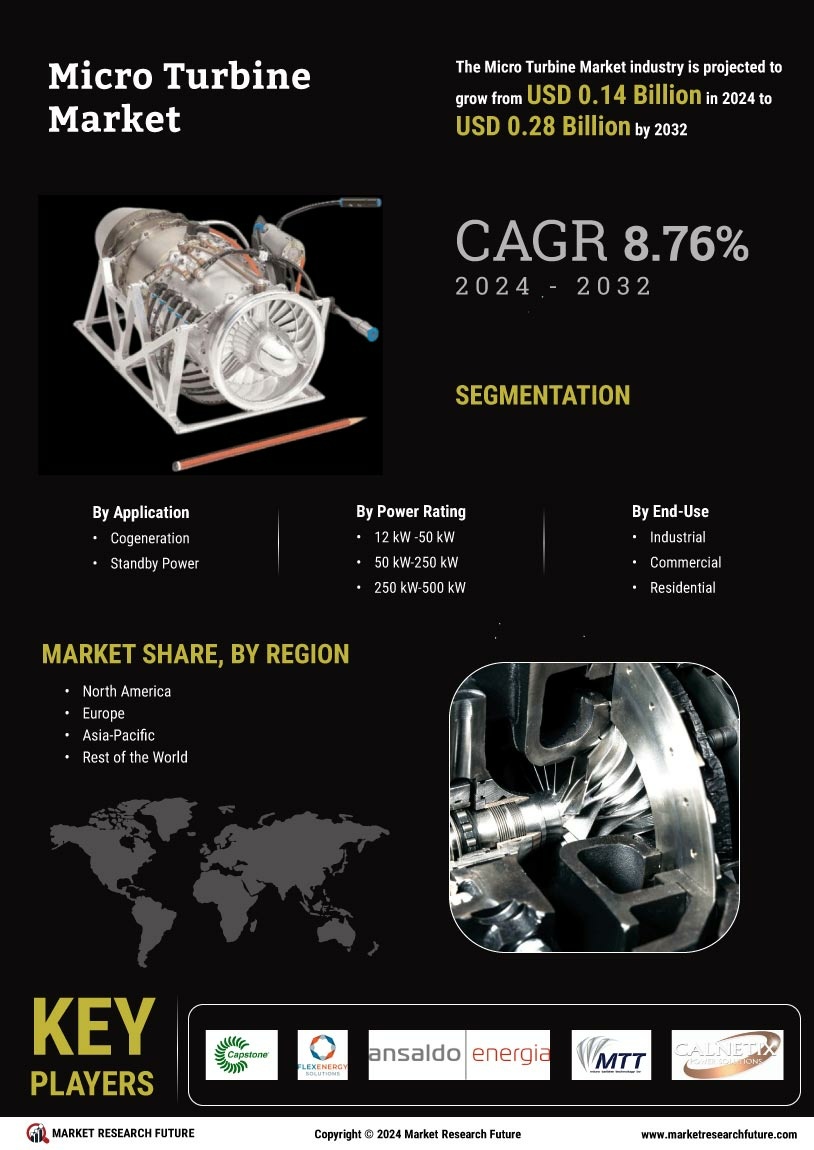
  • Micro Turbine Market Size: Installations, Revenue, and Regional Analysis

    https://www.marketresearchfuture.com/reports/micro-turbine-market-4099

    As per Market Research Future, the Micro Turbine Market Size
    is gaining notable traction as industries and utilities increasingly seek efficient, compact, and low-emission power generation solutions. Micro turbines are small-scale combustion turbines, typically producing power in the range of tens to hundreds of kilowatts, and are widely used in distributed energy systems. Their growing relevance is closely linked to the global transition toward decentralized power generation, energy efficiency, and reduced carbon footprints.

    Micro turbines are valued for their ability to operate on multiple fuel types, including natural gas, biogas, diesel, and other liquid fuels. This fuel flexibility makes them suitable for a wide range of applications such as combined heat and power (CHP) systems, commercial buildings, industrial facilities, and remote or off-grid locations. As energy demand continues to rise while environmental regulations become more stringent, micro turbines are emerging as a practical alternative to conventional power generation technologies.

    One of the key factors influencing the micro turbine market size is the increasing adoption of distributed energy resources. Traditional centralized power plants often suffer from transmission losses and high infrastructure costs. In contrast, micro turbines can be installed close to the point of consumption, improving overall system efficiency and reliability. This advantage is particularly important for critical facilities such as hospitals, data centers, and manufacturing units that require uninterrupted power supply.

    Technological advancements are also playing a significant role in market expansion. Modern micro turbines feature improved thermal efficiency, lower maintenance requirements, and reduced noise levels compared to earlier generations. Innovations in materials, digital control systems, and combustion technologies have enhanced their performance and lifespan. These developments contribute directly to the growing market size by making micro turbines more attractive to end users across various sectors.

    The industrial sector represents a major share of the micro turbine market size. Industries with high and continuous energy needs, such as oil & gas, chemicals, food processing, and pharmaceuticals, are increasingly integrating micro turbines into their energy systems. When deployed in CHP configurations, micro turbines can simultaneously generate electricity and useful heat, significantly improving overall energy utilization and lowering operating costs. This dual benefit supports both economic efficiency and sustainability goals.

    Commercial applications are also contributing to market growth. Office complexes, hotels, shopping malls, and educational institutions are adopting micro turbines to meet on-site power and heating requirements. In regions with unreliable grid infrastructure or high electricity costs, micro turbines offer a dependable and cost-effective solution. Their compact design and relatively simple installation further enhance their appeal in space-constrained urban environments.

    FAQs

    1. What factors are driving the growth of the micro turbine market size?
    The market is driven by rising demand for distributed power generation, increasing focus on energy efficiency, fuel flexibility, and growing adoption of combined heat and power systems across industrial and commercial sectors.

    2. Which applications contribute most to the micro turbine market size?
    Industrial applications, particularly CHP systems in manufacturing and processing industries, contribute significantly, followed by commercial buildings such as offices, hotels, and healthcare facilities.

    3. How do micro turbines compare with traditional generators?
    Micro turbines generally offer lower emissions, higher efficiency in CHP configurations, reduced maintenance needs, and better suitability for continuous operation compared to many traditional generators.
    Micro Turbine Market Size: Installations, Revenue, and Regional Analysis https://www.marketresearchfuture.com/reports/micro-turbine-market-4099 As per Market Research Future, the Micro Turbine Market Size is gaining notable traction as industries and utilities increasingly seek efficient, compact, and low-emission power generation solutions. Micro turbines are small-scale combustion turbines, typically producing power in the range of tens to hundreds of kilowatts, and are widely used in distributed energy systems. Their growing relevance is closely linked to the global transition toward decentralized power generation, energy efficiency, and reduced carbon footprints. Micro turbines are valued for their ability to operate on multiple fuel types, including natural gas, biogas, diesel, and other liquid fuels. This fuel flexibility makes them suitable for a wide range of applications such as combined heat and power (CHP) systems, commercial buildings, industrial facilities, and remote or off-grid locations. As energy demand continues to rise while environmental regulations become more stringent, micro turbines are emerging as a practical alternative to conventional power generation technologies. One of the key factors influencing the micro turbine market size is the increasing adoption of distributed energy resources. Traditional centralized power plants often suffer from transmission losses and high infrastructure costs. In contrast, micro turbines can be installed close to the point of consumption, improving overall system efficiency and reliability. This advantage is particularly important for critical facilities such as hospitals, data centers, and manufacturing units that require uninterrupted power supply. Technological advancements are also playing a significant role in market expansion. Modern micro turbines feature improved thermal efficiency, lower maintenance requirements, and reduced noise levels compared to earlier generations. Innovations in materials, digital control systems, and combustion technologies have enhanced their performance and lifespan. These developments contribute directly to the growing market size by making micro turbines more attractive to end users across various sectors. The industrial sector represents a major share of the micro turbine market size. Industries with high and continuous energy needs, such as oil & gas, chemicals, food processing, and pharmaceuticals, are increasingly integrating micro turbines into their energy systems. When deployed in CHP configurations, micro turbines can simultaneously generate electricity and useful heat, significantly improving overall energy utilization and lowering operating costs. This dual benefit supports both economic efficiency and sustainability goals. Commercial applications are also contributing to market growth. Office complexes, hotels, shopping malls, and educational institutions are adopting micro turbines to meet on-site power and heating requirements. In regions with unreliable grid infrastructure or high electricity costs, micro turbines offer a dependable and cost-effective solution. Their compact design and relatively simple installation further enhance their appeal in space-constrained urban environments. FAQs 1. What factors are driving the growth of the micro turbine market size? The market is driven by rising demand for distributed power generation, increasing focus on energy efficiency, fuel flexibility, and growing adoption of combined heat and power systems across industrial and commercial sectors. 2. Which applications contribute most to the micro turbine market size? Industrial applications, particularly CHP systems in manufacturing and processing industries, contribute significantly, followed by commercial buildings such as offices, hotels, and healthcare facilities. 3. How do micro turbines compare with traditional generators? Micro turbines generally offer lower emissions, higher efficiency in CHP configurations, reduced maintenance needs, and better suitability for continuous operation compared to many traditional generators.
    WWW.MARKETRESEARCHFUTURE.COM
    Micro Turbine Market Size, Share, Growth Report 2035
    Micro turbine market to grow at a CAGR of 8.76% through 2035 | Global micro turbine market analysis by Application, Power Rating, End-Use and region with forecast by 2035 | Micro turbine industry overview.
    👁️ 0 | 💰 Rs 0.00
    0 التعليقات 0 المشاركات
    0 معاينة
  • The luxury travel market size was valued at USD 1.48 billion in 2024 and is projected to grow from USD 1.60 billion in 2025 to reach USD 3.01 billion by 2033,exhibiting a CAGR of 8.2% during the forecast period (2025-2033).

    Market Scope and Research Methodology

    This report includes a multi-level regional assessment spanning global, regional, and country-specific markets. The analysis highlights market penetration, regional market leadership, and the strategic approaches adopted by prominent companies. A detailed SWOT analysis identifies the strengths, weaknesses, opportunities, and challenges within the market.

    The primary goal of the Luxury Travel Market Report is to provide clear insights into market behavior, emerging trends, and the factors influencing market performance. The study evaluates market structure, segmentation, and forecasted market size while examining growth drivers, industry barriers, and opportunities stemming from technological progress, regulatory frameworks, cost efficiencies, and evolving consumer needs.

    Download Exclusive Research Report PDF Sample: (Including Full TOC, List of Tables & Figures, Chart): https://straitsresearch.com/report/luxury-travel-market/request-sample

    Regional Insights

    The report presents an in-depth regional assessment of the Luxury Travel Market across North America, Europe, Asia Pacific, Latin America, the Middle East, and Africa. Each region is analyzed based on key parameters such as market size, growth rate, trade activities, and overall industry development. This segmentation supports a deeper understanding of the competitive dynamics and market potential within each geographical area.

    Market Segmentation

    By Type of Tour
    Cruise/ship expedition
    Adventure & safari
    Celebration & special events
    Customized & private vacations
    Culinary travel & shopping
    Business tours
    Small group journey
    By Age Group
    Millennial (21–30)
    Generation X (31–40)
    Baby boomers (41–60)
    Silver hair (60 and above)
    By Type of Traveller
    Absolute luxury
    Aspiring luxury
    Accessible luxury
    Booking Channel
    Phone Booking
    Online Booking
    In booking
    By Tourist Type
    Domestic
    International
    By Tour Type
    Independent Traveller
    Package Traveller
    Tour Group
    By Consumer Orientation
    Men
    Women
    Key Market Players

    Abercrombie and Kent USA, LLC
    Virtuoso, Ltd.
    Scott Dunn Ltd
    Butterfield and Robinson Inc
    TUI AG
    Travcoa (The Luxury Travel Group)
    Micato Safaris, Inc.
    Ker and Downey
    Tauck, Inc.
    Black Tomato Group
    Thomas Cook Group Plc
    Cox and Kings Ltd
    Kensington Tours Ltd
    Zicasso, Inc.
    Backroads
    Lindblad Expeditions
    Exodus Travels
    Download Exclusive Research Report PDF Sample: (Including Full TOC, List of Tables & Figures, Chart): https://straitsresearch.com/report/luxury-travel-market/request-sample

    Key Questions Addressed

    What is Luxury Travel Market?
    What was the market size of the Luxury Travel Market in 2024?
    What CAGR is expected for the market during the forecast period?
    Which factors are expected to drive market growth?
    What are the major segments of the market?
    Which strategies are companies adopting to strengthen their market presence?
    What emerging applications and trends are shaping the industry?
    Who are the key players in the Luxury Travel Market?
    What are the portfolios and competencies of leading market participants?
    About Us

    For over a decade, Straits Research has been a trusted partner to more than 2,138 small and large enterprises, empowering senior leaders and decision-makers with actionable intelligence to navigate complex markets. Our structured syndicate reports, published year-round, cover critical sectors such as chemicals, materials, food and beverage, healthcare, pharmaceuticals, automotive, technology, aerospace, and defense. Combined with our custom research tailored to client-specific needs, we deliver insights that drive business progress and informed decision-making.


    The luxury travel market size was valued at USD 1.48 billion in 2024 and is projected to grow from USD 1.60 billion in 2025 to reach USD 3.01 billion by 2033,exhibiting a CAGR of 8.2% during the forecast period (2025-2033). Market Scope and Research Methodology This report includes a multi-level regional assessment spanning global, regional, and country-specific markets. The analysis highlights market penetration, regional market leadership, and the strategic approaches adopted by prominent companies. A detailed SWOT analysis identifies the strengths, weaknesses, opportunities, and challenges within the market. The primary goal of the Luxury Travel Market Report is to provide clear insights into market behavior, emerging trends, and the factors influencing market performance. The study evaluates market structure, segmentation, and forecasted market size while examining growth drivers, industry barriers, and opportunities stemming from technological progress, regulatory frameworks, cost efficiencies, and evolving consumer needs. Download Exclusive Research Report PDF Sample: (Including Full TOC, List of Tables & Figures, Chart): https://straitsresearch.com/report/luxury-travel-market/request-sample Regional Insights The report presents an in-depth regional assessment of the Luxury Travel Market across North America, Europe, Asia Pacific, Latin America, the Middle East, and Africa. Each region is analyzed based on key parameters such as market size, growth rate, trade activities, and overall industry development. This segmentation supports a deeper understanding of the competitive dynamics and market potential within each geographical area. Market Segmentation By Type of Tour Cruise/ship expedition Adventure & safari Celebration & special events Customized & private vacations Culinary travel & shopping Business tours Small group journey By Age Group Millennial (21–30) Generation X (31–40) Baby boomers (41–60) Silver hair (60 and above) By Type of Traveller Absolute luxury Aspiring luxury Accessible luxury Booking Channel Phone Booking Online Booking In booking By Tourist Type Domestic International By Tour Type Independent Traveller Package Traveller Tour Group By Consumer Orientation Men Women Key Market Players Abercrombie and Kent USA, LLC Virtuoso, Ltd. Scott Dunn Ltd Butterfield and Robinson Inc TUI AG Travcoa (The Luxury Travel Group) Micato Safaris, Inc. Ker and Downey Tauck, Inc. Black Tomato Group Thomas Cook Group Plc Cox and Kings Ltd Kensington Tours Ltd Zicasso, Inc. Backroads Lindblad Expeditions Exodus Travels Download Exclusive Research Report PDF Sample: (Including Full TOC, List of Tables & Figures, Chart): https://straitsresearch.com/report/luxury-travel-market/request-sample Key Questions Addressed What is Luxury Travel Market? What was the market size of the Luxury Travel Market in 2024? What CAGR is expected for the market during the forecast period? Which factors are expected to drive market growth? What are the major segments of the market? Which strategies are companies adopting to strengthen their market presence? What emerging applications and trends are shaping the industry? Who are the key players in the Luxury Travel Market? What are the portfolios and competencies of leading market participants? About Us For over a decade, Straits Research has been a trusted partner to more than 2,138 small and large enterprises, empowering senior leaders and decision-makers with actionable intelligence to navigate complex markets. Our structured syndicate reports, published year-round, cover critical sectors such as chemicals, materials, food and beverage, healthcare, pharmaceuticals, automotive, technology, aerospace, and defense. Combined with our custom research tailored to client-specific needs, we deliver insights that drive business progress and informed decision-making.

    STRAITSRESEARCH.COM
    Luxury Travel Market Size, Share & Industry Analysis 2033
    Request Free Sample : The global luxury travel market size is projected to grow from USD 1.60 billion in 2025 to USD 3.01 billion by 2033, exhibiting a CAGR of 8.2%.
    👁️ 0 | 💰 Rs 0.00
    0 التعليقات 0 المشاركات
    0 معاينة
  • Arcade Games Machine: Evolution, Technology, and Modern Entertainment

    Arcade games machines have long been a symbol of interactive entertainment, combining visual appeal, engaging gameplay, and social experiences. Originating in the late twentieth century, these machines were once the centerpiece of shopping malls, amusement centers, and dedicated arcades. Their bright screens, distinctive sounds, and competitive challenges attracted players of all ages, creating a shared culture around high scores and skill-based play. Even today, arcade machines continue to hold nostalgic value while adapting to modern entertainment preferences.

    Source - https://www.marketresearchfuture.com/reports/arcade-games-machine-market-24567

    The evolution of arcade games machines reflects the broader development of the gaming industry. Early machines featured simple graphics and straightforward mechanics, focusing on quick reflexes and repetitive play. As technology advanced, arcade machines began incorporating improved processors, enhanced graphics, and more immersive audio systems. This progression allowed developers to introduce complex gameplay, storytelling elements, and multiplayer features, transforming arcade games from simple pastimes into rich interactive experiences.

    Modern arcade games machines are built with advanced hardware and software technologies that rival home gaming systems. High-definition displays, motion sensors, touchscreens, and network connectivity have expanded the possibilities of arcade gaming. Many machines now support online leaderboards, cooperative play, and competitive tournaments, creating a bridge between physical arcade environments and digital gaming ecosystems. These innovations help arcades remain relevant in an era dominated by consoles and mobile games.
    Arcade Games Machine: Evolution, Technology, and Modern Entertainment Arcade games machines have long been a symbol of interactive entertainment, combining visual appeal, engaging gameplay, and social experiences. Originating in the late twentieth century, these machines were once the centerpiece of shopping malls, amusement centers, and dedicated arcades. Their bright screens, distinctive sounds, and competitive challenges attracted players of all ages, creating a shared culture around high scores and skill-based play. Even today, arcade machines continue to hold nostalgic value while adapting to modern entertainment preferences. Source - https://www.marketresearchfuture.com/reports/arcade-games-machine-market-24567 The evolution of arcade games machines reflects the broader development of the gaming industry. Early machines featured simple graphics and straightforward mechanics, focusing on quick reflexes and repetitive play. As technology advanced, arcade machines began incorporating improved processors, enhanced graphics, and more immersive audio systems. This progression allowed developers to introduce complex gameplay, storytelling elements, and multiplayer features, transforming arcade games from simple pastimes into rich interactive experiences. Modern arcade games machines are built with advanced hardware and software technologies that rival home gaming systems. High-definition displays, motion sensors, touchscreens, and network connectivity have expanded the possibilities of arcade gaming. Many machines now support online leaderboards, cooperative play, and competitive tournaments, creating a bridge between physical arcade environments and digital gaming ecosystems. These innovations help arcades remain relevant in an era dominated by consoles and mobile games.
    WWW.MARKETRESEARCHFUTURE.COM
    Arcade Games Machine Market Size Forecast to 2035 | MRFR
    Arcade Games Machine Market Is Projected To Reach a Valuation of USD 23.79 Billion by 2035, Growing at a CAGR of 5.11% During 2025 - 2035 | Automation Technologies
    👁️ 0 | 💰 Rs 0.00
    0 التعليقات 0 المشاركات
    0 معاينة
Freecave – Social Media Platform https://freecave.net